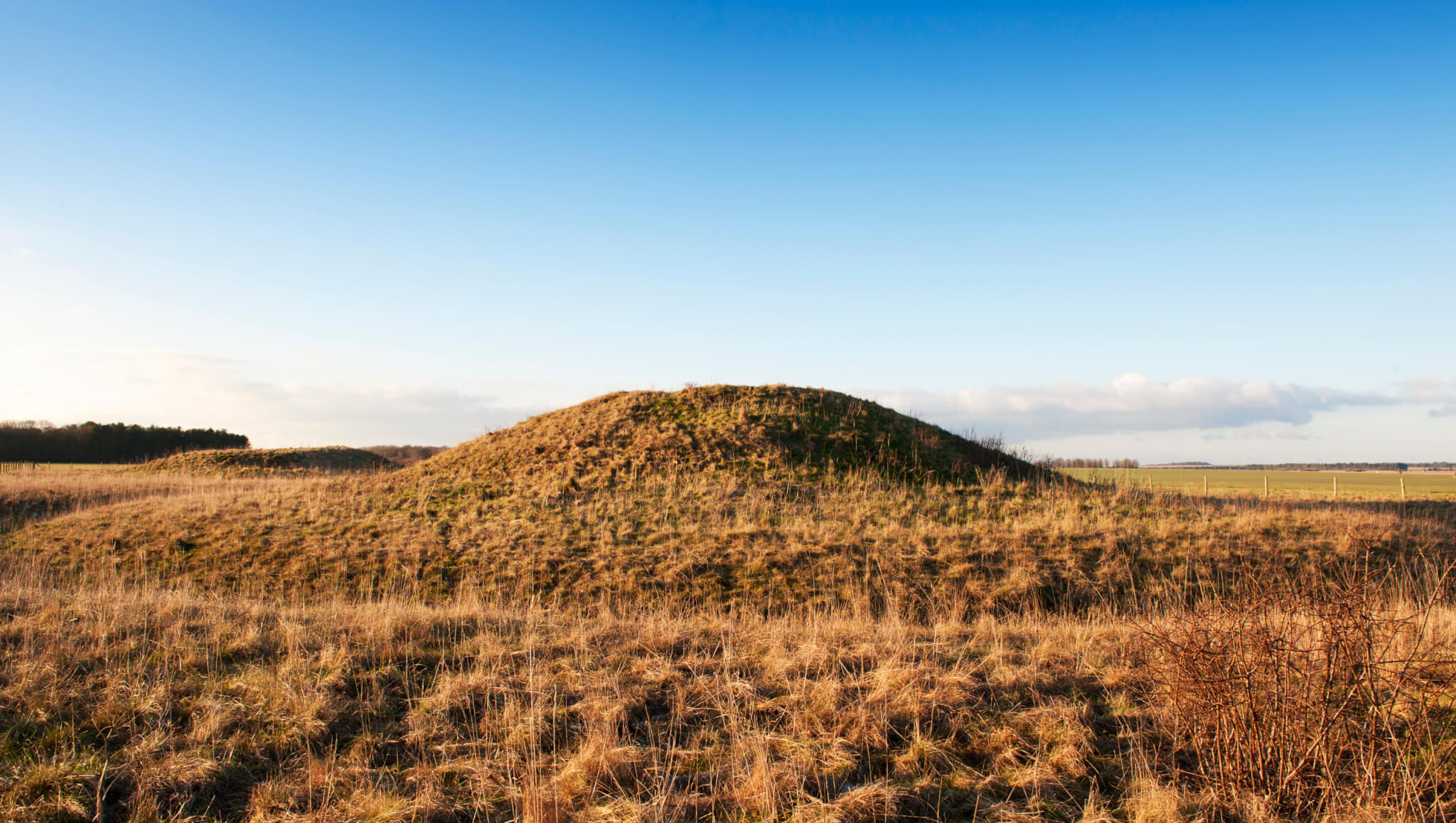
Stonehenge may be the most famous, but fascinating prehistoric monuments and sites can be found across England.
Beyond Stonehenge: Where To Find Lesser-Known Prehistoric Sites in England
Stonehenge may be the most famous, but fascinating prehistoric monuments and sites can be found across England.
Beyond Stonehenge: Where To Find Lesser-Known Prehistoric Sites in England
It has been almost a year since our last journey to Cornwall and so it seems appropriate to tell you all a bit about that time.
Normally any trip to Cornwall is one of expectation, hope and joy but on this occasion, it was a time of sadness. On the day we arrived in Penzance, my mother-in-law passed away. We were half an hour away from seeing her when we got the call…
It was not an easy time but we did find moments to distract us, Cornwall, after all is a beautiful county filled with fascinating places. There were beach walks, pasty’s, drives down winding lanes, pub lunches, moors and visits to ancient places. Below is just a few of the places we visited in our down time between packing up a life well lived and saying goodbye. We knew it would be a long time before we came back and so we made the most of the time we had.

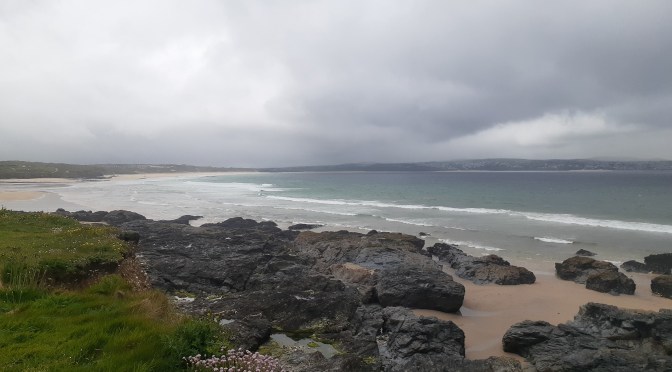
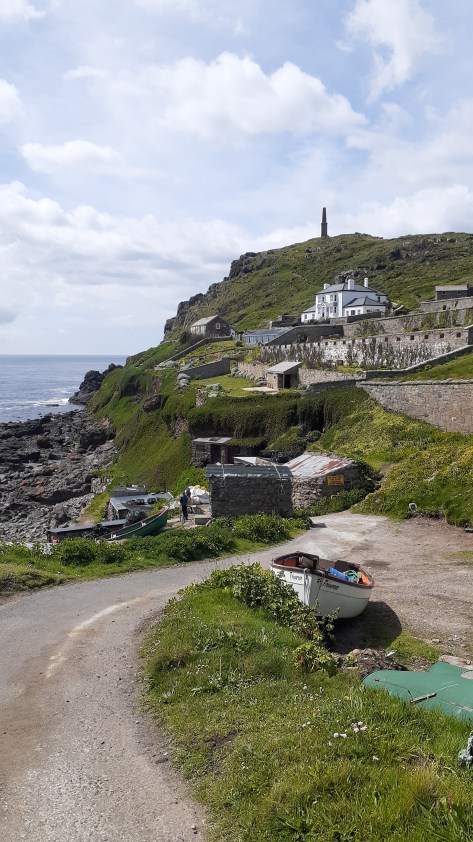
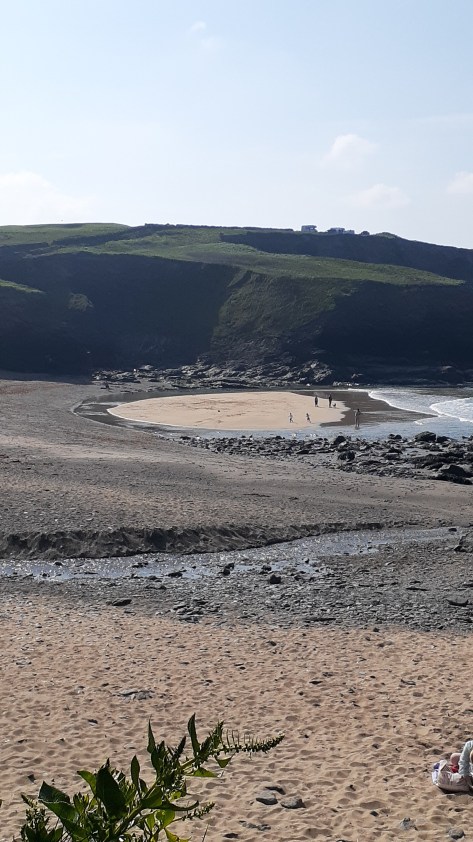
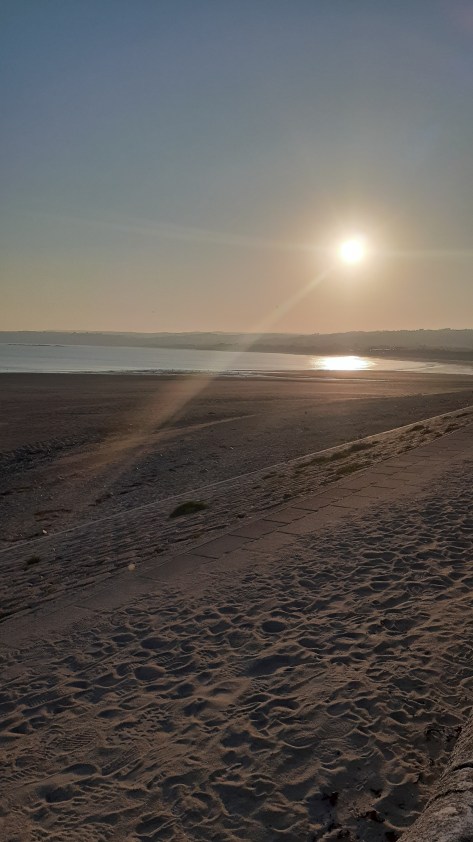
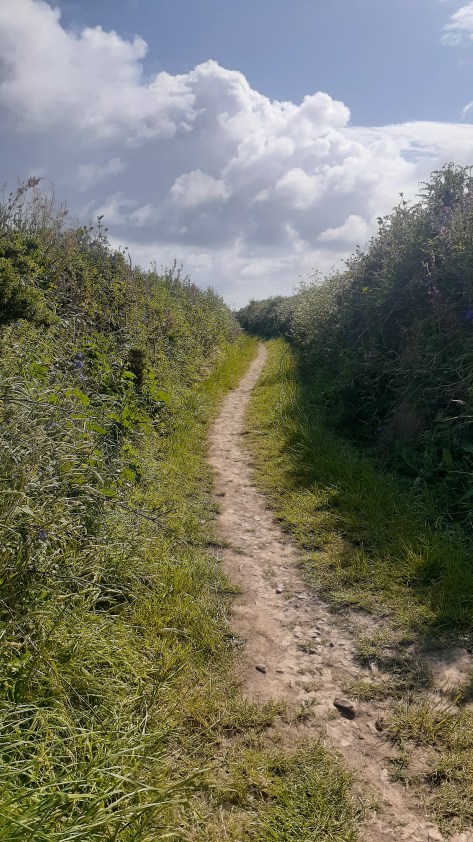
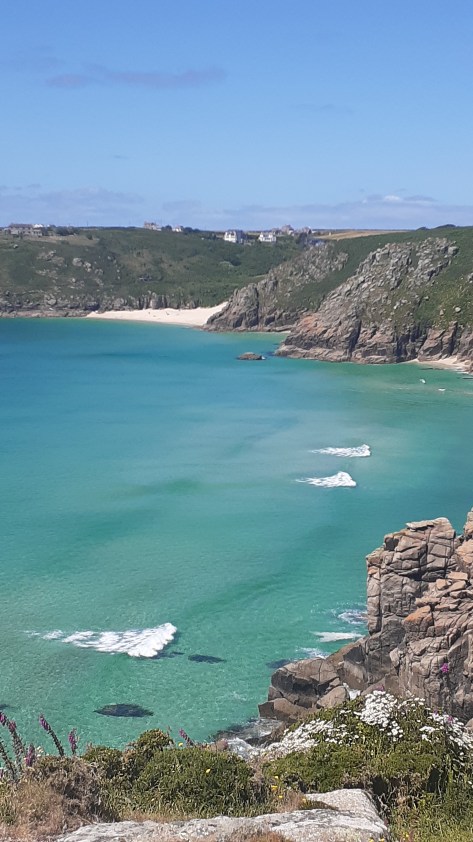
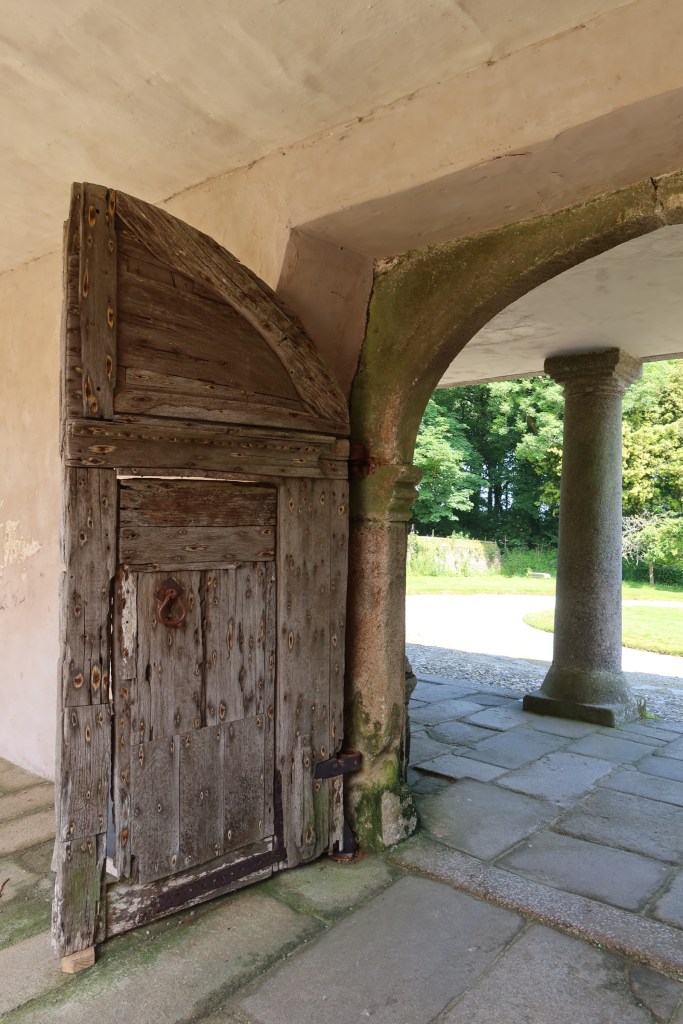
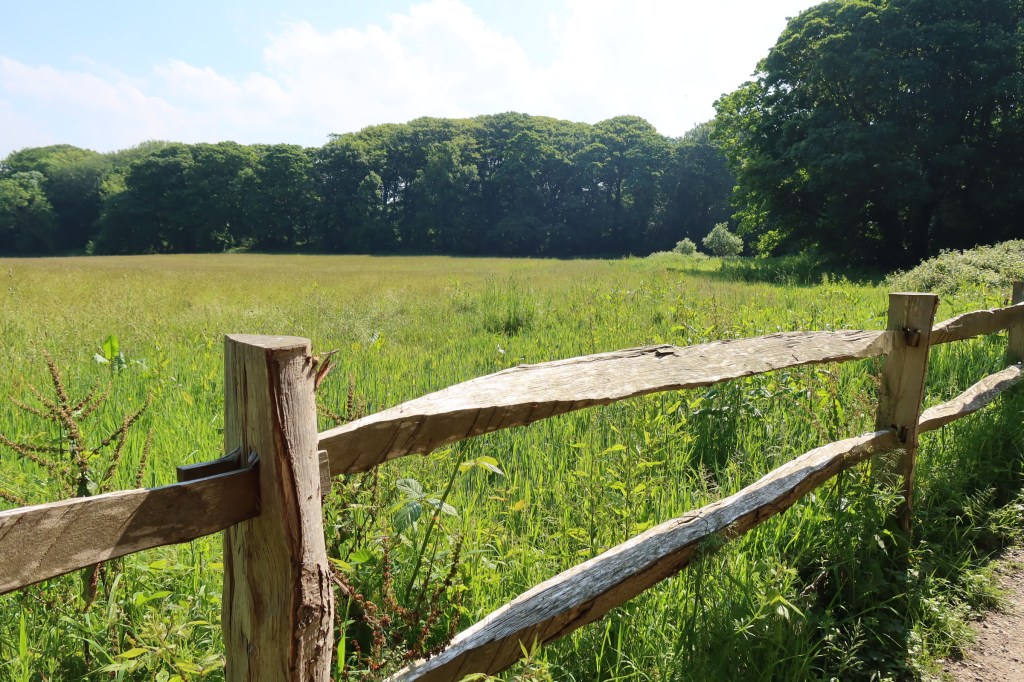
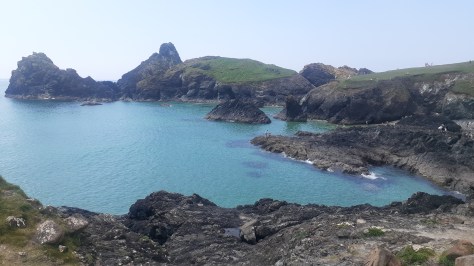
Getting fresh air and exercise became a part of our daily routine, early mornings sorting the house, followed by appointments with solicitors or funeral directors and then a good walk in ‘the nature’ to soothe the emotions. Cornwall is not short of a good walk. Below are a few photos from these walks.
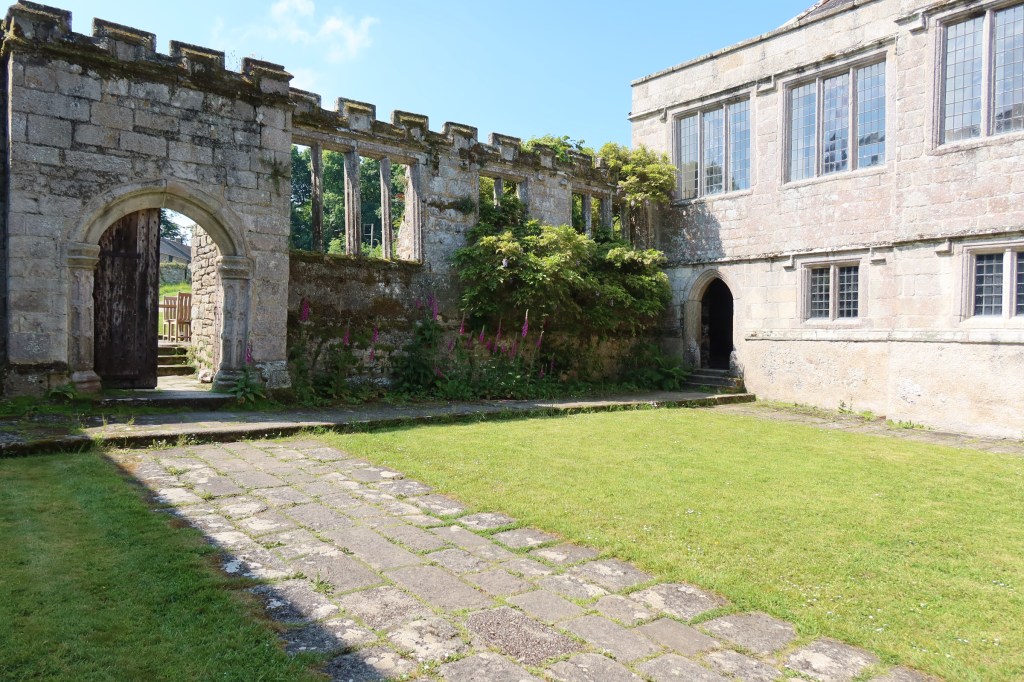
There were some days when we had more time on our hands and on these days we ventured a little further afield. As members of Heritage New Zealand we are allowed to visit both National Trust and English Heritage sites free of charge – Lanhydrock, Godolphin House, Restormel Castle. Tintagel and the gardens at St Michael’s Mount were all on the list.
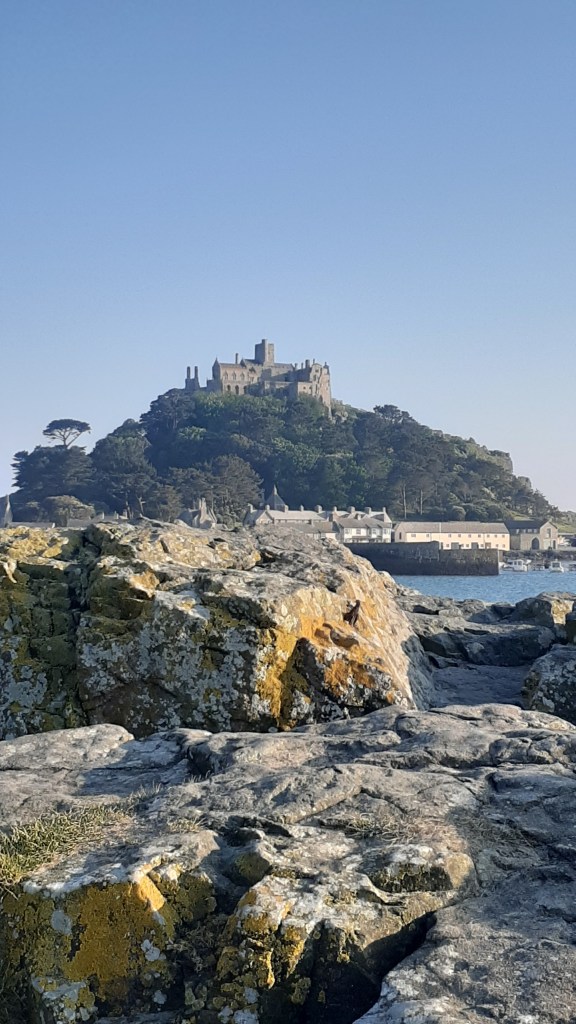
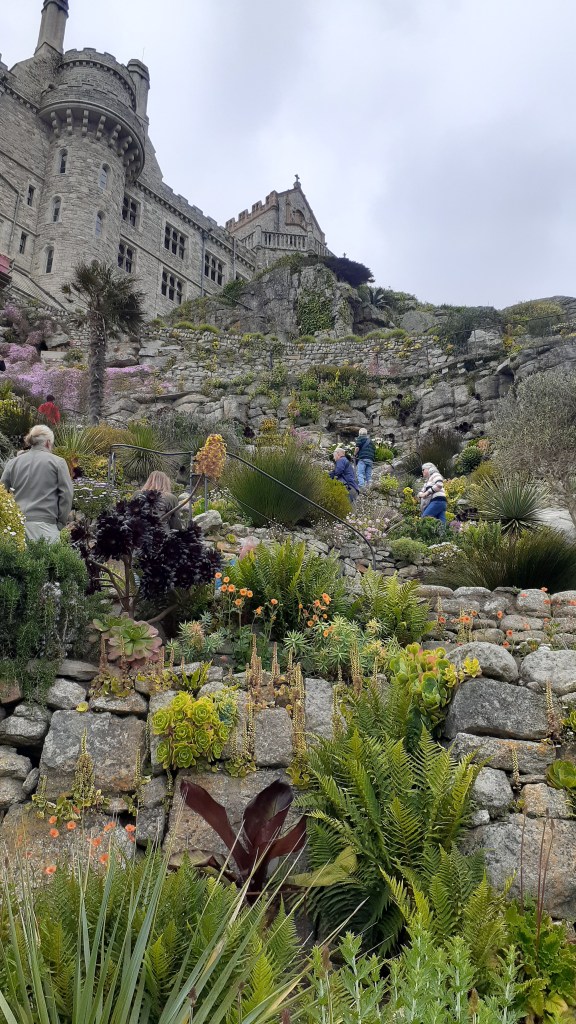
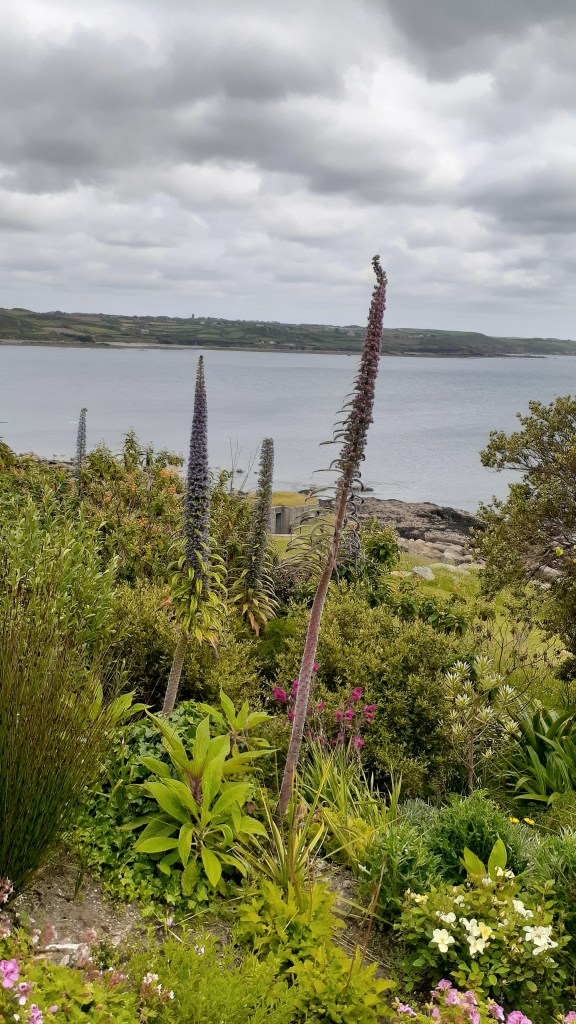
Why just the gardens? We had visited the house on several other occasions and given the time of year and how busy it was we thought a good nosey around the gardens – which are not always open – would be nice on a sunny day.
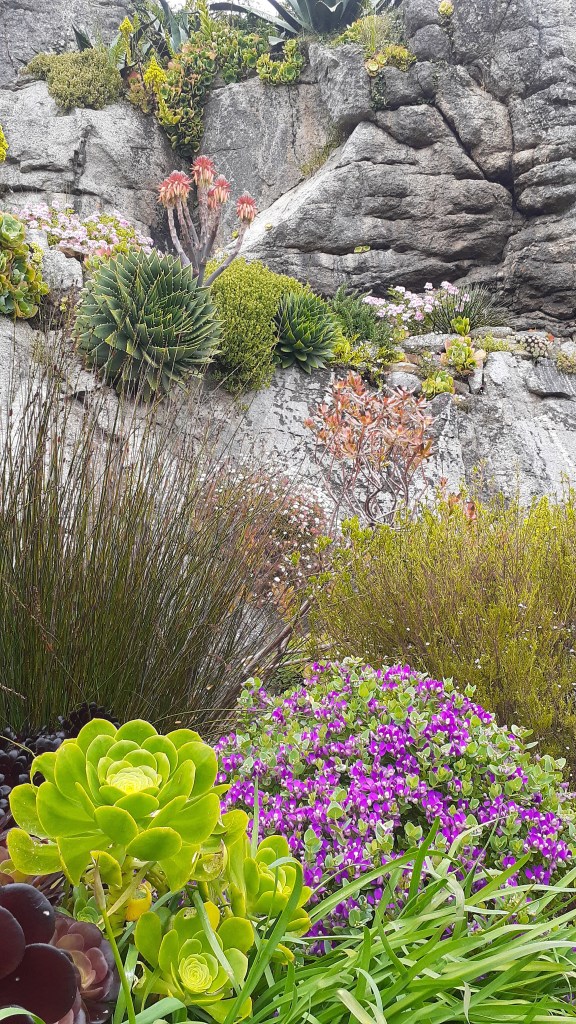
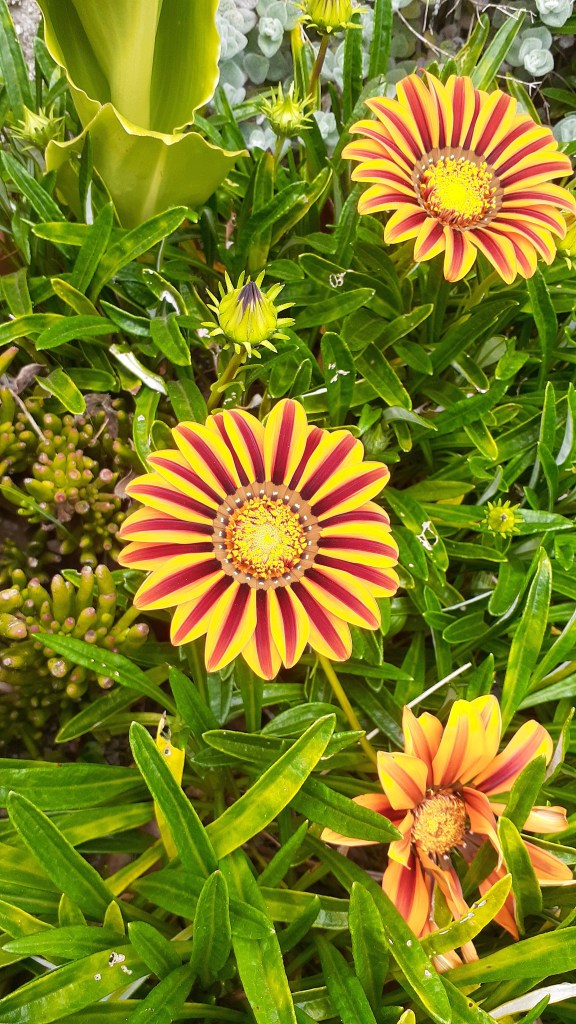
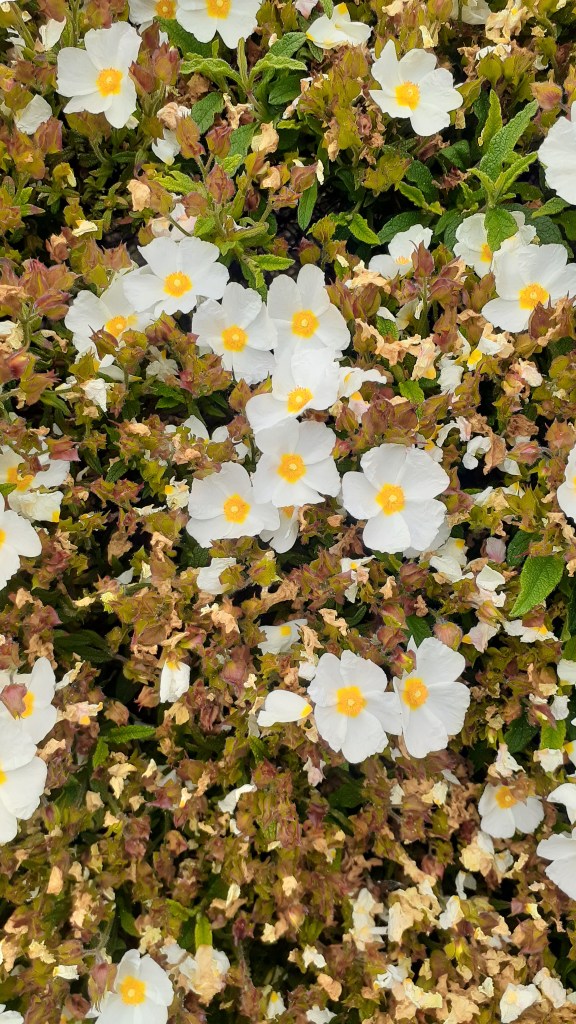
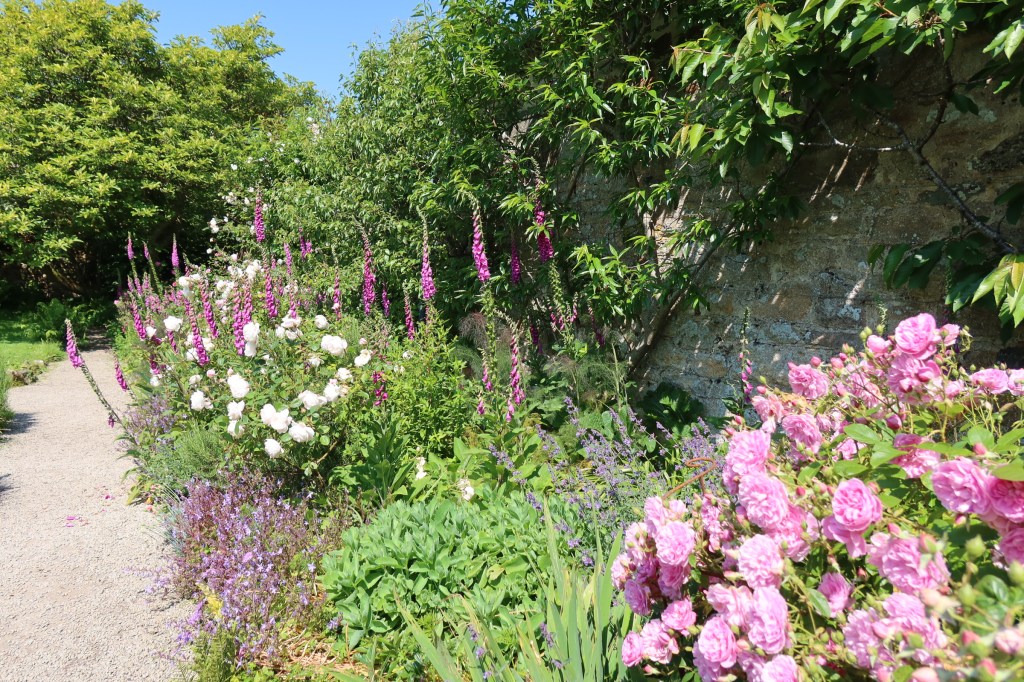
The gardens are situated on the lower terraces of the mount facing towards the Lizard Peninsula. They were first designed in 1878 for Sir John St Aubyn (later the first Lord St Levan). This part of the island has a microclimate and is able to grow a number of plants you would not expect.
The following are just a few photos of the gardens.
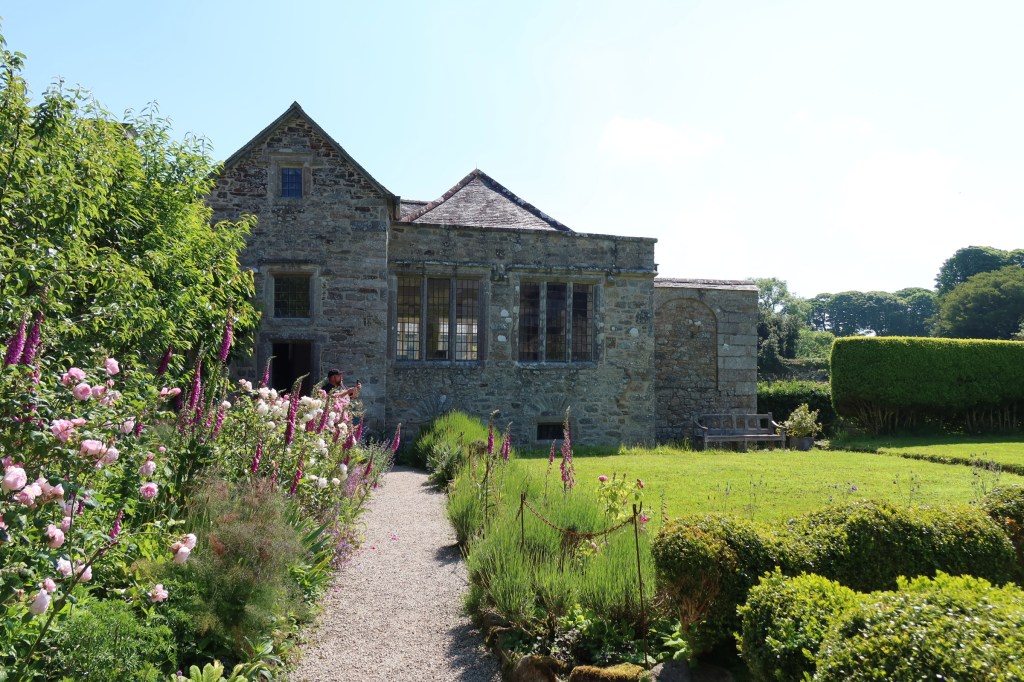
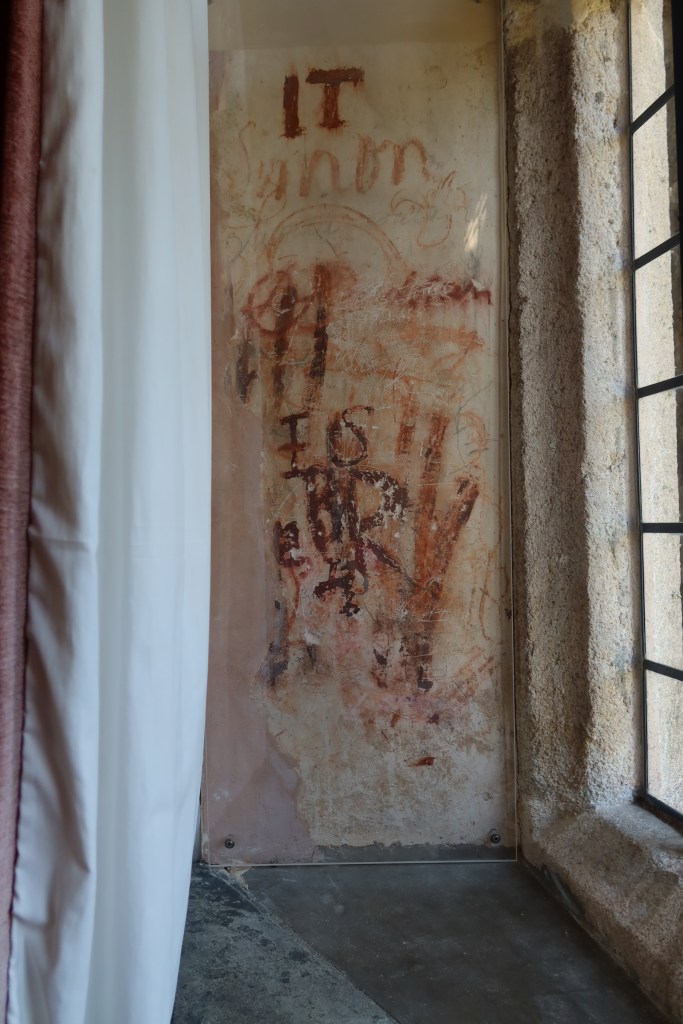
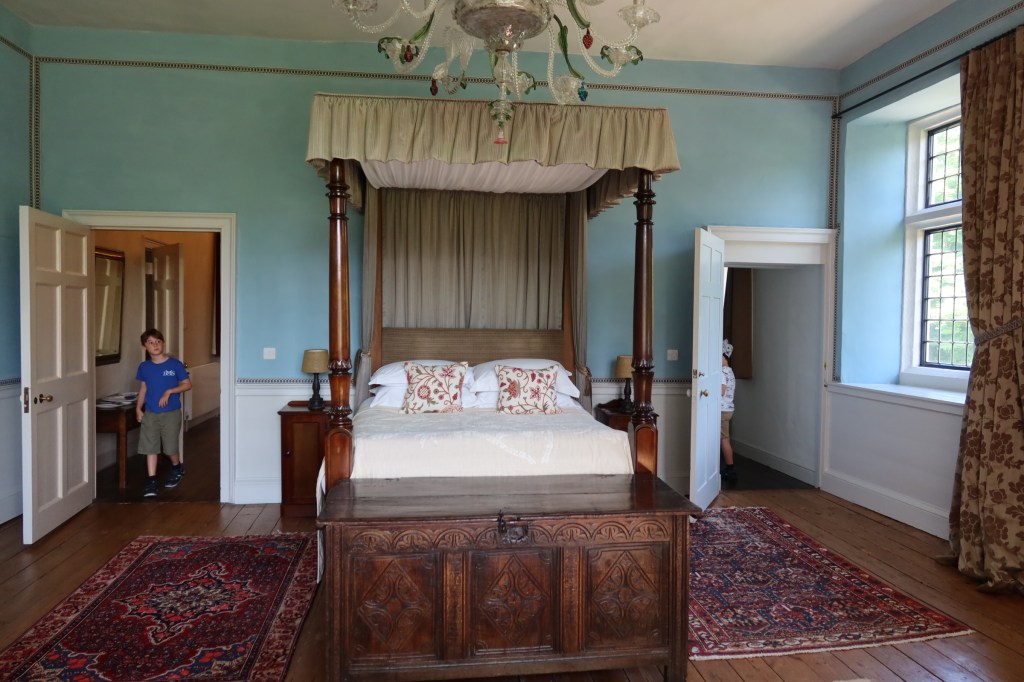
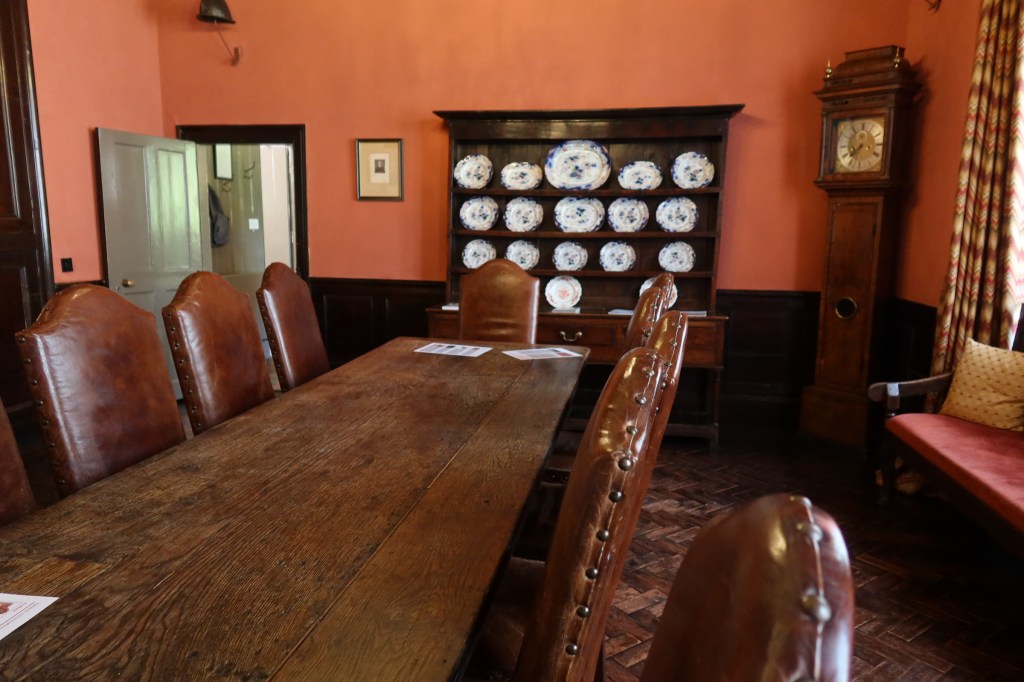
One of my favourite houses to visit in this part of Cornwall is Godolphin House. Only open to the public a few times a year (the house is let out as a holiday let), although the gardens and estate are regularly open to enjoy for walks and cups of tea in the little cafe. The story of Godolphin House is one ‘enormous mineral wealth, heavy industry, agriculture, high political office, war, decline, ruin and eventual rescue – a living timeline through Cornwall’s history’.
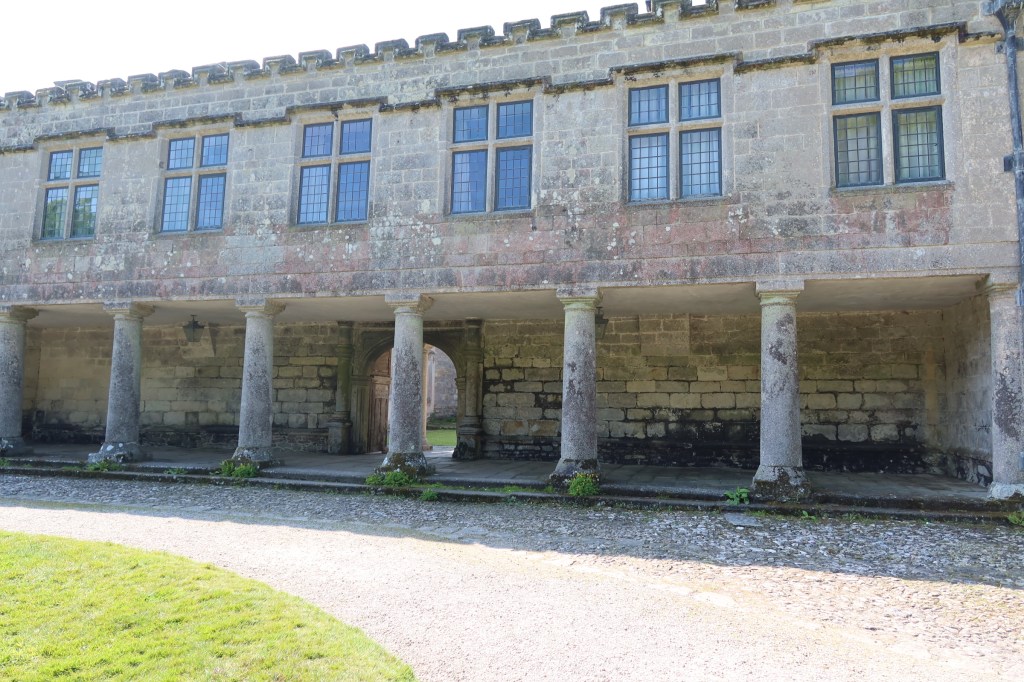
As the above quote would imply Godolphin House has a long and winding story to tell and is perhaps one for an article of its own. For now enjoy the following photos and if you do ever get a chance to visit the house, do so.
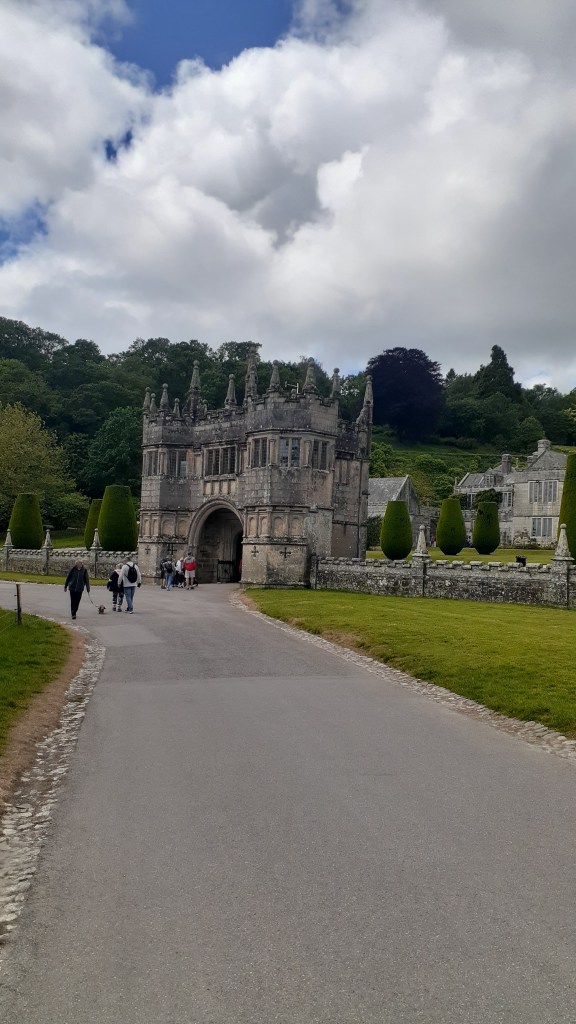
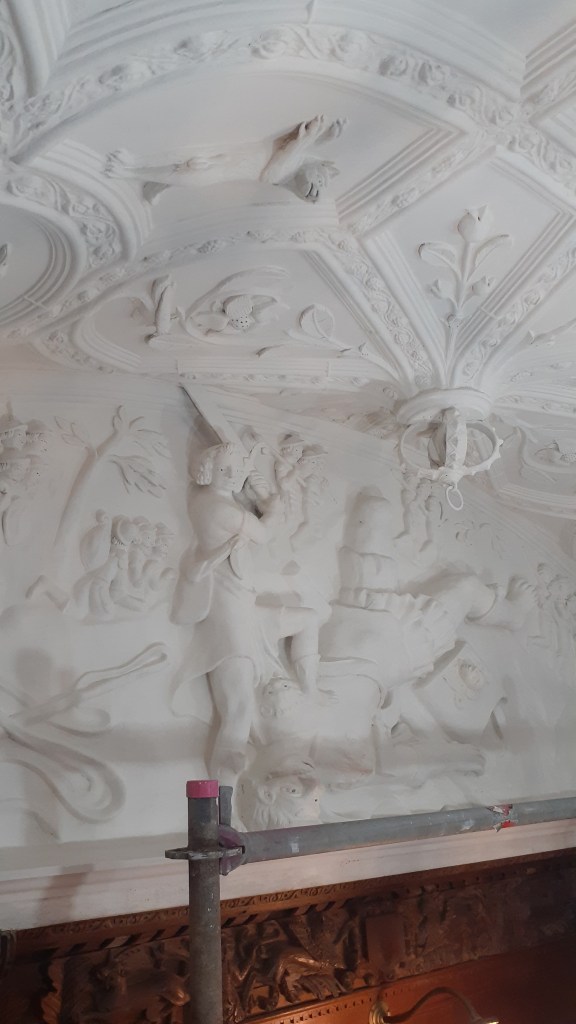
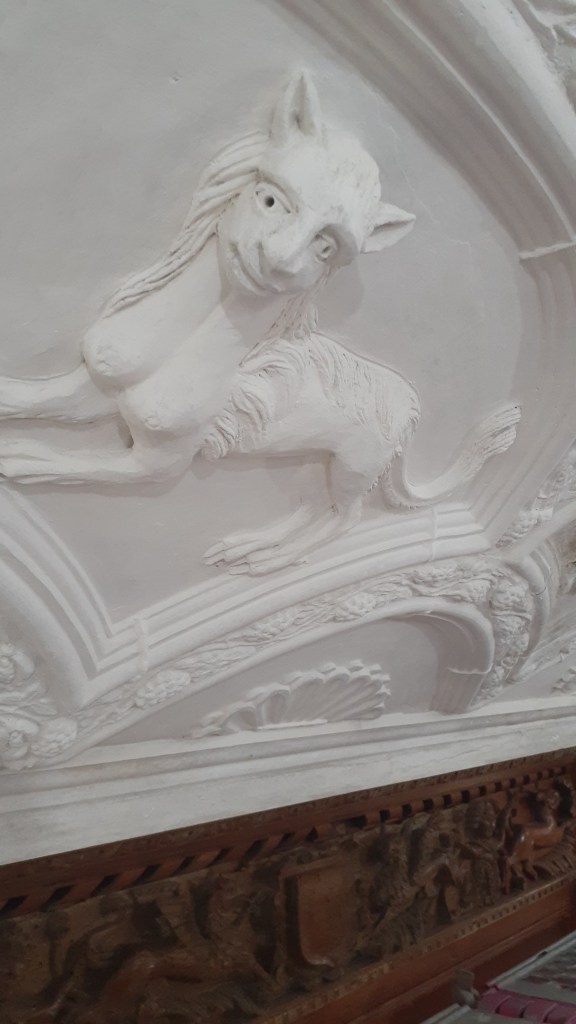
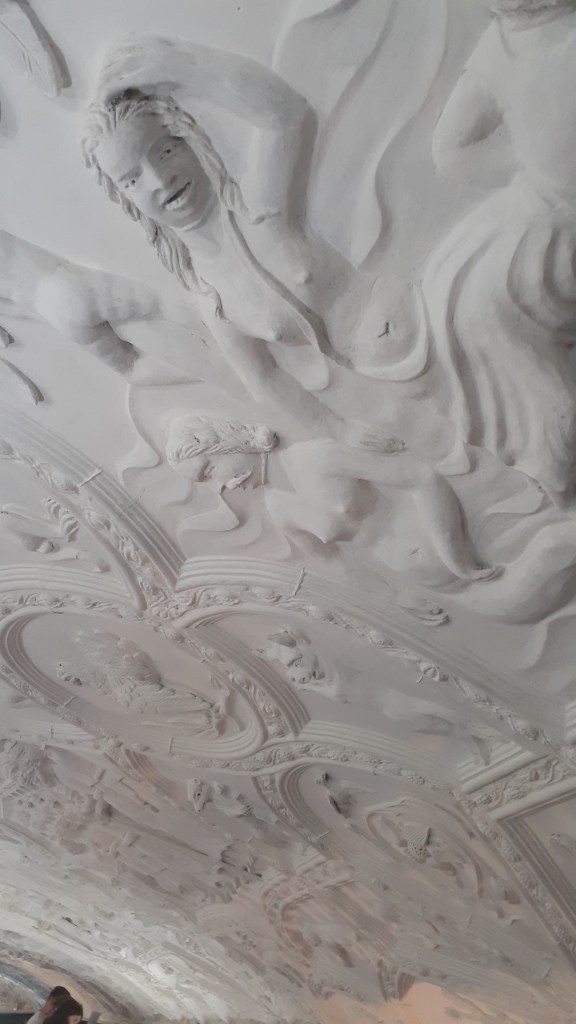
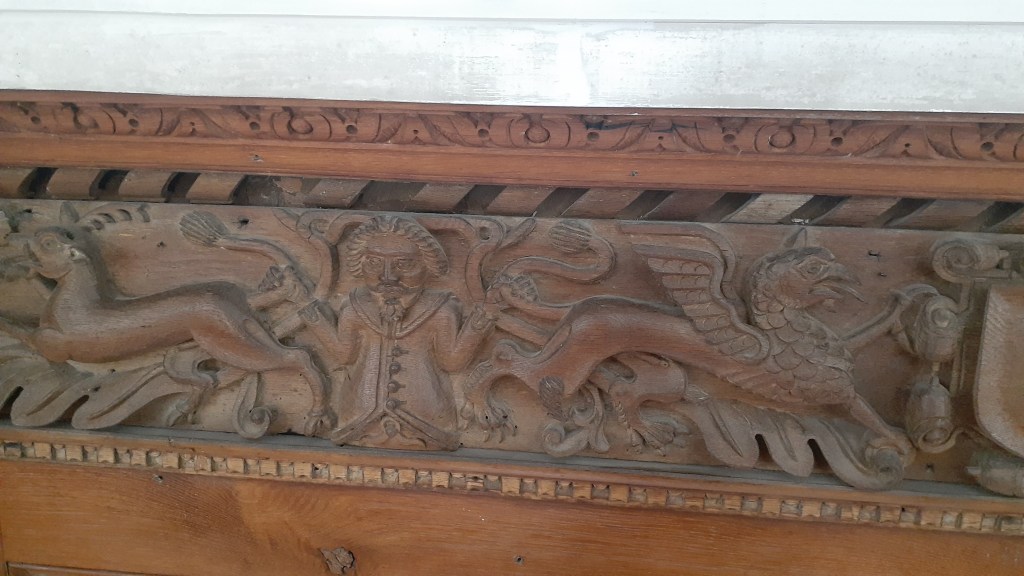
This particular National Trust House and Estate was much further afield. At the time of our visit the house and its contents were undergoing restoration work. Interestingly rather then block off sections and prevent people from viewing the work, the visitor was granted an opportunity to see what happens when a house of this size needs some love and attention. Our visit coincided with the restoration work on the ceiling of the hall and visitors were able to go onto the scaffolding and get a close look at a space that normally only the eagle eyed could view.
Below are a couple of photos of the ceiling.
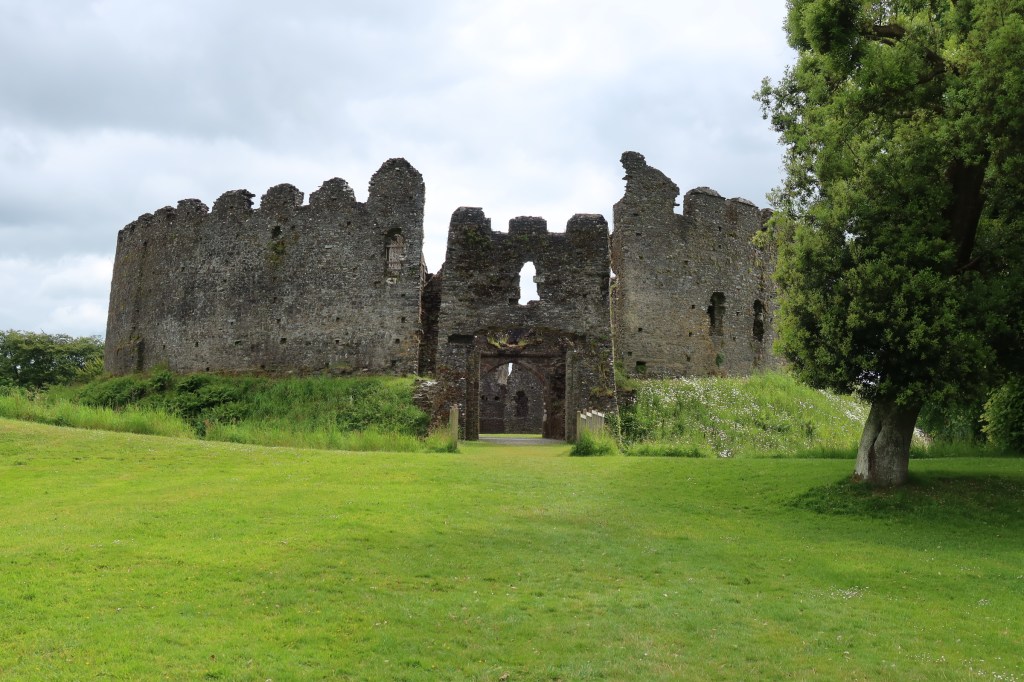
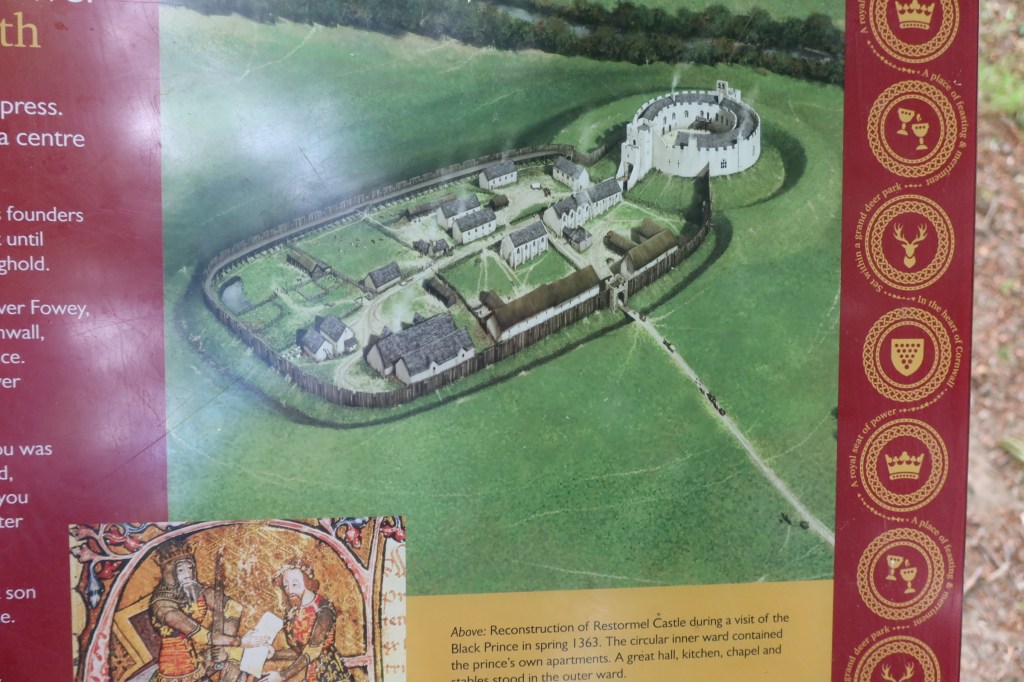
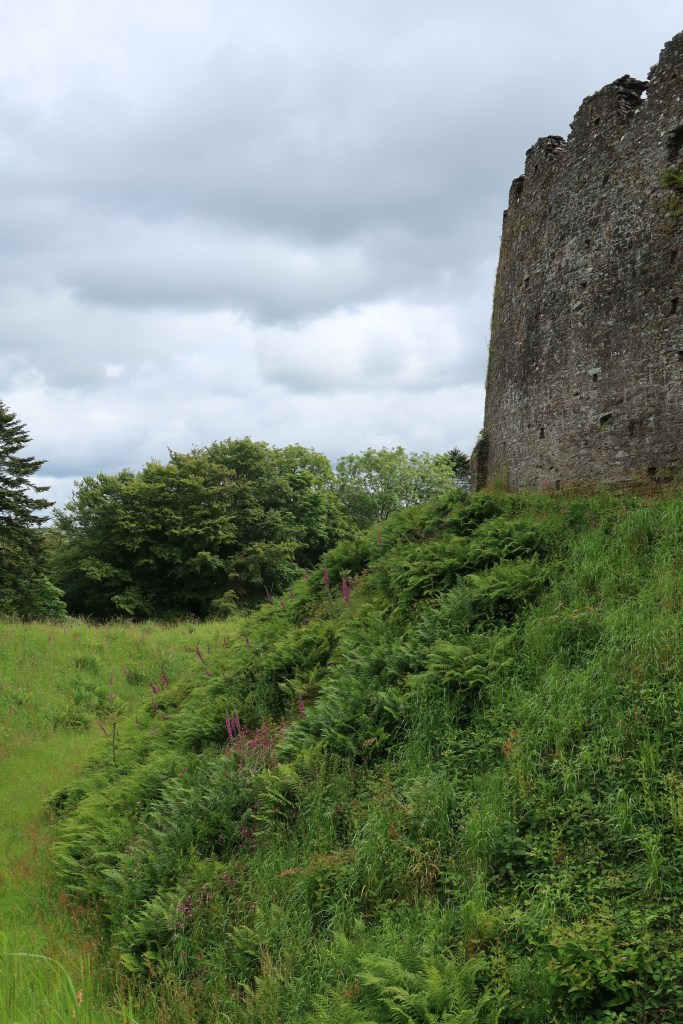
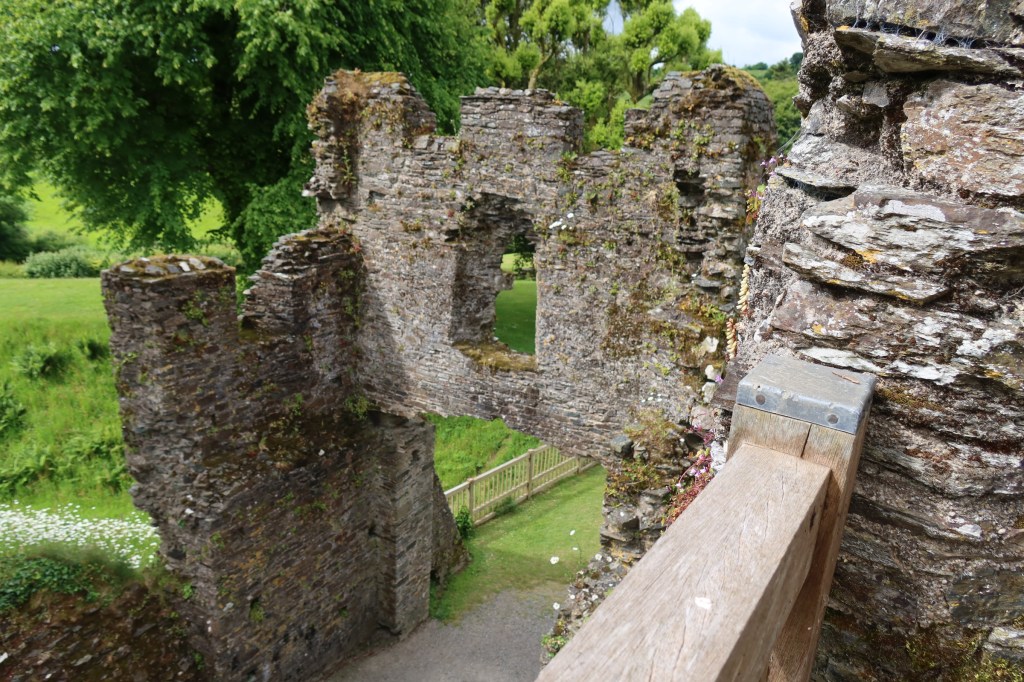
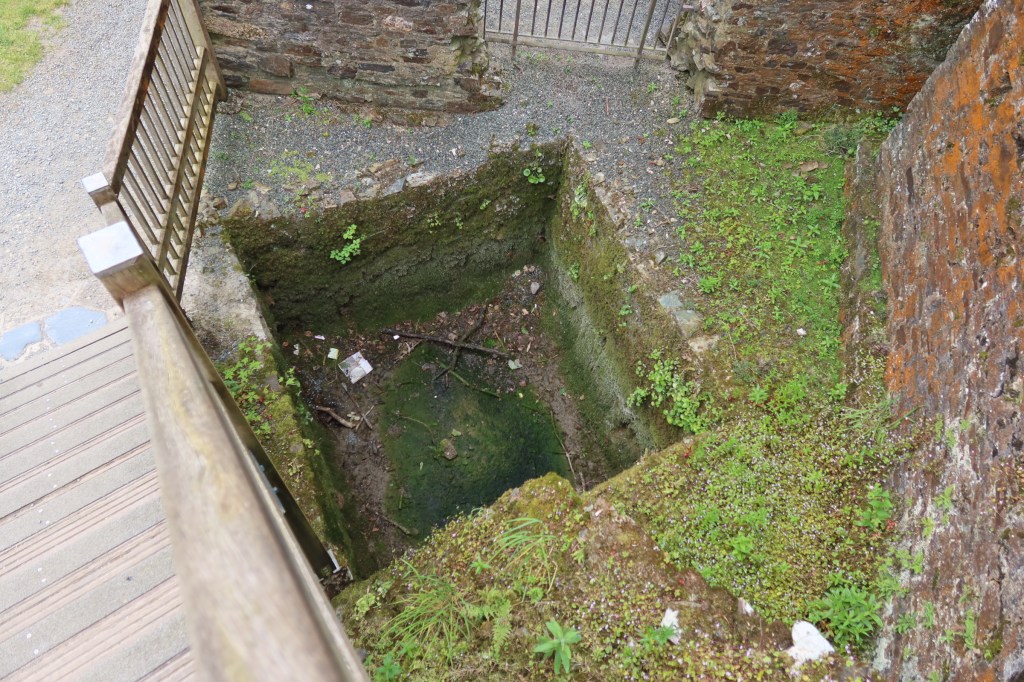
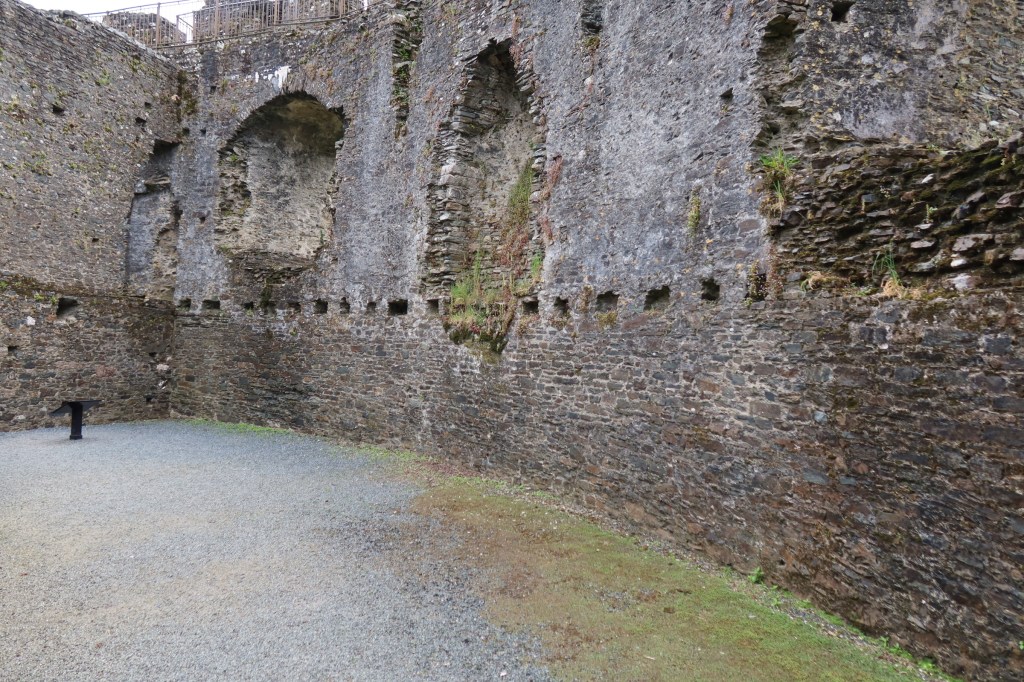
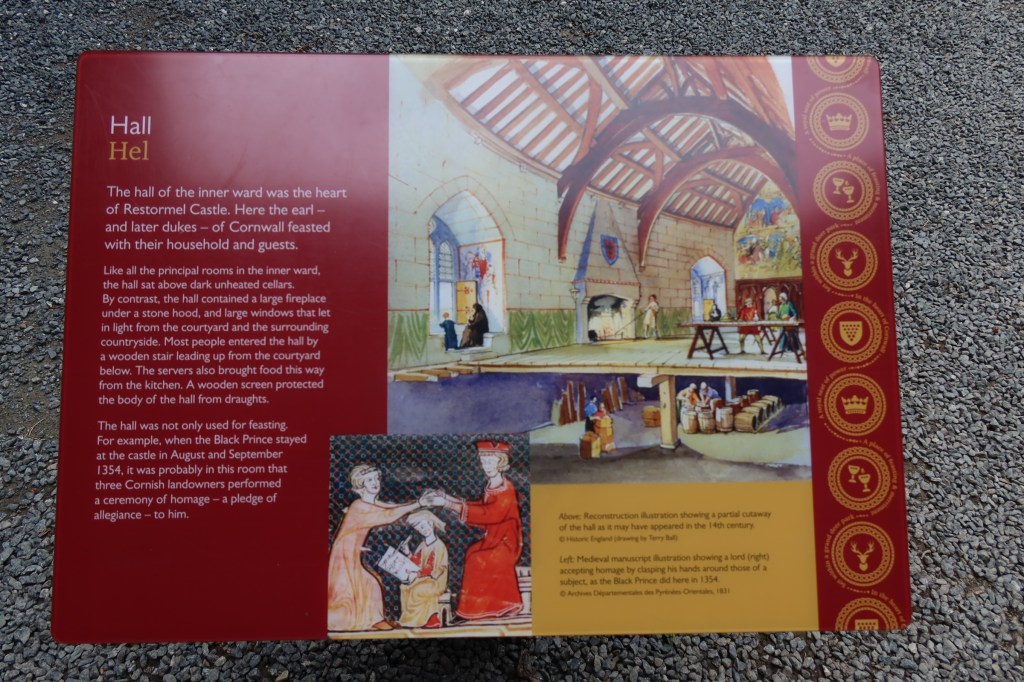
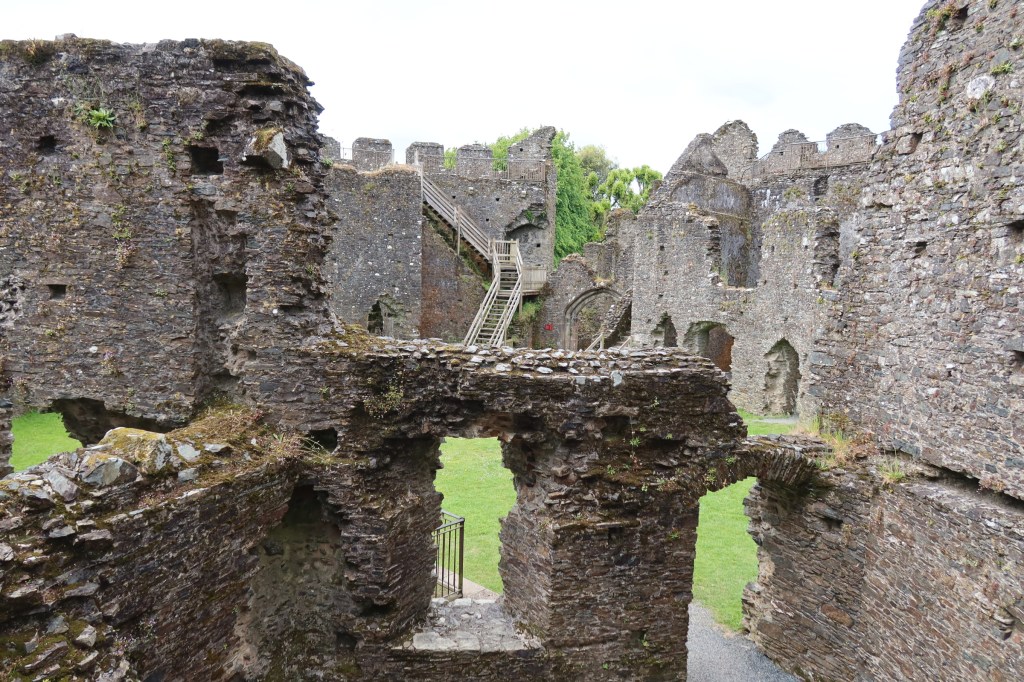
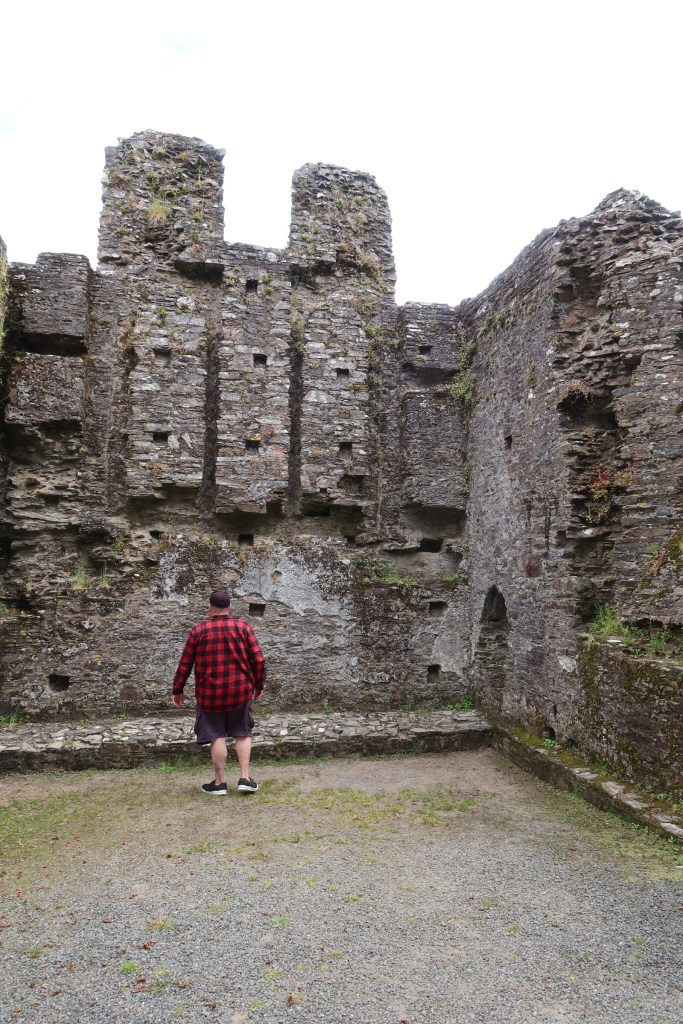
Our visit to Restormal Castle occurred as we were leaving the county, having done all we could. The castle providing a welcome pit stop and distraction.
The early history of the site is not well understood, there is some evidence for a mid 12th century date but it the history from the 13th century onwards which is better understood. From the mid 12th the land on which the castle stands belonged to the Cardinham’s – a powerful landowning family from central Cornwall. In 1268 Cardinhams’ heiress, Isolda de Tracy, granted to Richard Earl of Cornwall and King of the Romans, the town of Lostwithiel – a fishery on the river Fowey – and the castle of Restormel, complementing his castles at Launceston and Tintagel. In 1270 he acquired a fourth castle at Trematon.
Earl Richard died in 1272, only four years after acquiring Restormel, so it seems more probable that it was his son Edmund who built the present castle. Edmund’s work at Trematon Castle is documented and provides a parallel. However, by the 1330s (and after the castle had changed hands a few times) documents refer to the castle being in need of repair. 1337 saw the son of Edward III being made Duke of Cornwall (also Edward – the Black Prince), along with a significant endowment of land and properties – including Restormal Castle.
This was a high point in the history of the castle, with many repairs and improvements being made to it and the surrounding park land. Apparently more time and money was spent on the boundary to the park land than on any other feature, an indication of its importance as a hunting park.
The history of the castle and its surrounding is one of neglect, repair and neglect once again. More can be found on its history here.
These are just a tiny fraction of the many places a person can visit in Cornwall, so I hope you have enjoyed this short meander through the county.
In memory of Christine Rowe and Alan Dalton – gone too soon but never forgotten.
As you are all probably aware I am a fan of all things witchy – my book shelves are groaning under the weight of all the books on the history of witchcraft. Below is an interesting read from English Heritage regarding a handful of places connected to witchcraft in England, or should I say to do with the persecution of witches in the past (with the exception of Mother Shipton).
There are of course many places connected to witchcraft that do not involve their persecution but it is the gory details that people seem to want to read. Recently I have been reading about the difference (both legally and morally) between a witch and magic practitioner. The latter were tolerated to a certain extent even at the height of the witch hunts. But this will be the subject of new blog in the future so I shan’t say too much more. In the meantime read on and enjoy!
I was recently browsing a second hand bookshop (not an uncommon thing in my world) when I spied a small but curious book. The title ‘The Curious Cures of Old England’ had me hooked and on further investigation it found its way into my possession. The following is but a few of these curious and bizarre cures used by people when times were desperate.
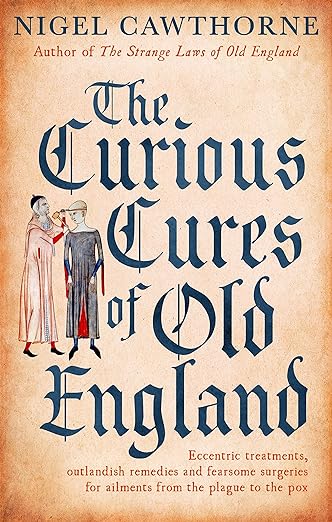
Aches, pains, blemishes, maladies, disease, wounds and breakages, all of these and more have plagued our world since the beginning of time. The ways in which people have dealt with such issues has varied in terms of methodology and levels of success.
One of the most common ailments to afflict humankind is the headache and if blood letting was not your cup of tea then you could try one of the following.
Headaches can sometimes be a precursor to other ailments such as the common cold, nowadays we take some paracetamol, drink plenty of fluids and spend the day in bed. In the past there were more inventive methods to deal with coughs and colds…
A serious childhood complaint was that of whooping cough and our ancestors had some rather bizarre means of dealing with it.
Sore eyes and cataracts had cures for which the wildlife of old England needed to be afraid of…
The past was a dangerous place and physical injury/wounds were areal threat but don’t fret they had a cure for that too.
Plagues and pestilence were an unknowable part of life in times gone by and indeed as recent events have demonstrated it remains the case. In 1348 the Black Death struck England, devastating the population. It made regular reappearances up until the 17th century by which stage many realised prevention was better than a cure. Some preventative measures included –
If you did catch the Plague then possible remedies included – pressing roasted onions stuffed with treacle and figs against the buboes or drying a toad over an open fire and pressing against the swollen glands as a way of drawing out the disease. Not to mention the plague pills and cordials which all guaranteed prevention and/or cure against the plague.
Beyond the extreme case of the Black Death, there was cholera, tuberculosis and a whole range of fevers/sweating sicknesses/agues to contend with. Once again, the cures sometimes can be worse than the cause.
Perhaps one of the most common cure all that many would have heard of was the act of blood letting either by way of leeches, cupping or scarification (small cuts into the skin). This particular form of healing has a history going back into the distant past, Hippocrates who lived in the 4th and 5th centuries BC and who is considered the father of medicine highly recommended it.
The biggest issue (and there were several) was regarding how much to take, some believed that the job wasn’t properly done until the patient had lost all sensation and fainted – today we would say they had gone into ‘shock’ – and for many this would have been their undoing.
Leeches have an interesting history in this story, they could be applied all over for bleeding purposes. All manner of issues could be solved with a good dose of leechcraft – earache, tonsilitis, gout, headaches and mental illness to name a few. Their use fell out of fashion in the 19th century only to be revived in the mid 20th century as an aid in skin grafts etc, the anticoagulant in leech saliva encourages blood flow and has anesthetic and an antibiotic qualities.
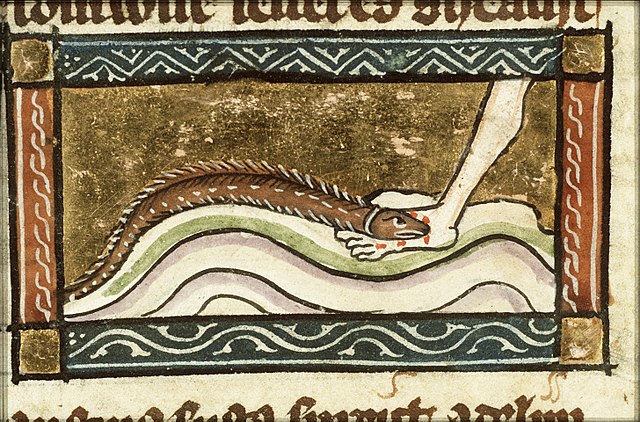
An extension of bloodletting was the next step in any serious illness to purge a body by means of vomiting etc. Seen as a means of curing all manner of ailments from headaches, fever, bowel disorders to deafness and insanity. For a price a person could buy any number of powerful laxatives and purging pills as a cure all. Unicorn horn being the most expensive…
I hope you have enjoyed this short romp through the weird and downright bizarre world of medicinal history, if you want more (you know you do) then I recommend reading Nigel Cawthorne’s book, ‘The Curious Cures of Old England’.
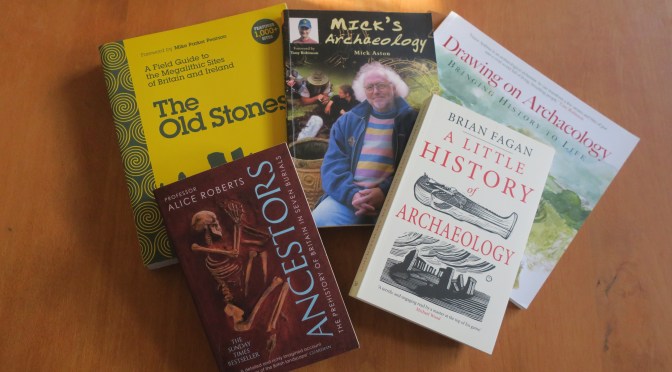
Books, they are my friends, they transport me into different worlds, past and present, real and imaginary. So imagine my difficulty in choosing just five to tell you about! Thus this will be the first in a short series of my top five book posts. Moving on…this particular post is centered around my favourite general books related to archaeology in the UK. Please note that the opinions in this blog are purely my own and are listed in no particular order.
More often than not when studying archaeology at University, there is always one paper that is required – the history of archaeology. For some this can be the ‘dull as dishwater’ topic, the one you dread every week but for myself I always found it fascinating. Archaeology is such a strange discipline, it borrows from just about every other subject to become something unique, constantly evolving.
Brian Fagan’s book takes the reader on an adventure in archaeology around the world, from it’s very beginnings with antiquarians and collectors to the present day science based enquiry. There are tales of wandering antiquarians in the American Southwest at a time when Apache tribes were on the warpath to the Mesolithic finds trawled up from the North Sea. Ever wondered about how radiocarbon dating became a thing? Or why we have the ‘three age system’? The answers and more are all here.
Fagan writes in an engaging style with a hint of adventure and is more than a match for those ‘dull as dishwater’ lectures. I thoroughly enjoyed reading this book and highly recommend it to everyone interested in archaeology.

A History of Archaeology by Brian Fagan
Subtitled ‘The Prehistory of Britain in Seven Burials’ Alice Roberts takes the reader on an interesting journey into the past via the dead. Regardless of our views on whether the dead should be disturbed/excavated, there are situations when this is inevitable and in this book Roberts picks apart these burials to tell the human story of British prehistory.
‘Burials are like time capsules – each one, a physical biography, written into a skeleton.’
From the back of the book
For each of the burials she chooses (which range from the paleolithic – the red lady of Paviland – to the Iron Age and the Pocklington Chariot), Roberts gives a history of the discovery of each burial as well as the research past and present that has gone into each discovery. She also widely discusses the new science of genomics and how it is changing the way we view the past in Britain.
Alice Roberts writes in chatty style, having seen her on tv many times I could easily hear her voice narrating the story in my head. Through her writing the reader gets a clear sense of her curiosity and knowledge, her willingness to explore avenues to find answers. Even when she is warning of caution she does so with friendly caution. It is up to the reader to draw their own conclusions. This is in essence why this book makes it to my top five, Alice Roberts does not lecture, she leads you along a path of discovery and allows you to come to your own conclusions.

Ancestors by Professor Alice Roberts
For those interested in the megaliths that are found through the United Kingdom this is the go to book. Coming off the back of the successful website ‘The Megalithic Portal‘ this book details all the fabulous sites listed online with extra short essays on topics such as astronomy, archaeoacoustics, stone axes and more, written by users and contributors to the website. There are maps, photos and drawing galore as well as a well written introduction to the Neolithic and Bronze Age in the UK. It is the kind of book that you can dip into as and when you need to.
I would highly recommend this book to anyone who wants an adventure back through time, who has ever stood and stared at a stone circle and wondered why or for those who want to just make a walk in the countryside more interesting.
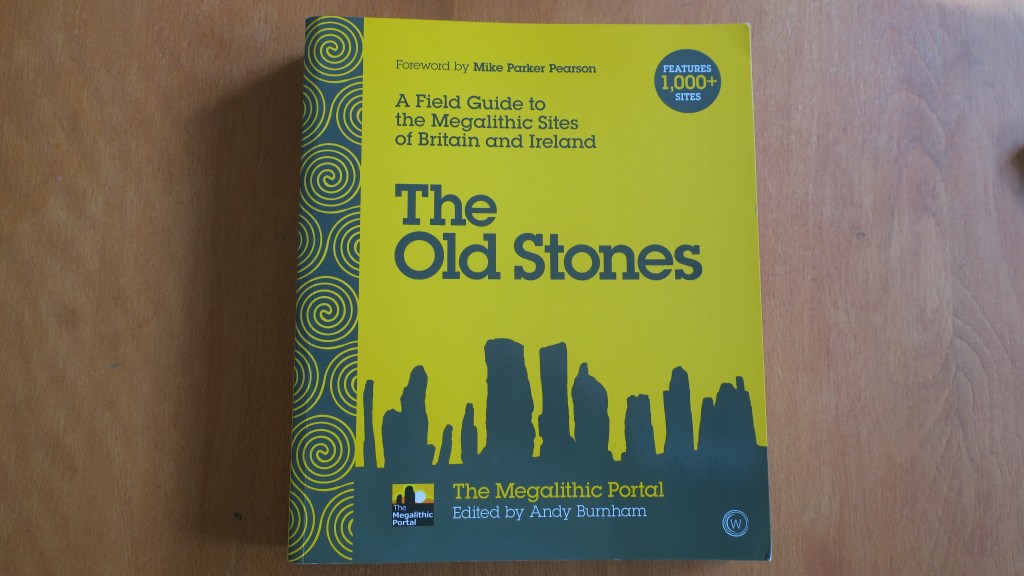

The Old Stone edited by Andy Burnham
For fans of the tv show ‘Time Team’ Mick Aston will be a familiar face, his shaggy hair and stripey jumpers are things of legend, and although no longer with us his legacy in archaeology remains strong. This book is for those who want to know more about Mick, his beginnings in archaeology (in Cornwall), the reasons behind Time Team, his love of teaching, landscape archaeology and all things monastic.
I met Mick on several occasions, twice with Time Team and once at tea whilst at a friends house in Cornwall. He was a lovely man with a genuine interest in everything around him. When you talked to him he really listened and was always open to ideas, even if they didn’t necessarily align with his own.
I recommend this book for lots of reason, not only because Mick Aston is a man I admire and respect but also because of his ethos that archaeology belongs to everyone not just the academics. His belief in the importance of community archaeology permeates this book and is also an ideal I hold dear.

Mick’s Archaeology by Mick Aston
Victor Ambrus was another Time Team regular, his reconstruction drawings bringing the past to life in a way that was very human. Todays digital reconstructions are nice but there is always a sense of life in the hand drawn pictures by Ambrus. Many of the drawings in this book are from sites featured on Time Team but not all.
Victor Ambrus draws/paints a site and then places people in it, using the site as it may have been used, there are animals, trees, birds and more. Reminding us all that a site was not isolated, it was part of an environment both natural and human. Some of his drawings depict characters we all know from the past, such as Henry VIII or King Cnut. There are scenes of warfare, crime and punishment, prehistoric rituals, medieval feasting, Mesolithic life and many more. Each of the drawings are accompanied by a short commentary by Ambrus with the background to the picture. Throughout the book you are constantly reminded of the lives that came before. I particularly like to look out for the wee dog that always seems to be barking at something…
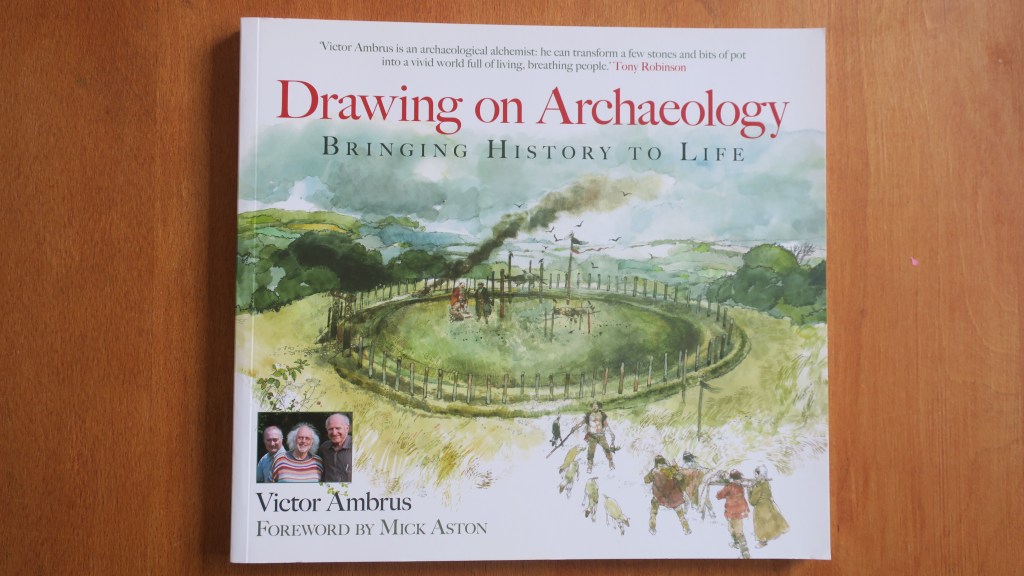

Drawing on Archaeology by Victor Ambrus
And there you have it…my top five books on archaeology, perhaps not the most conventional choices but they are the ones I have enjoyed reading the most and from which I have gained the most insight into what it means to be an archaeologist.
In the northern hemisphere when the weather begins to bite and the nights draw in thoughts turn to that time when it is said the veil thins between our world and that ‘otherworld’. Samhain, Halloween or All Hallows is a festival celebrated in many ways in the northern hemisphere (and in the southern hemisphere, somewhat erroneously). Previously on this blog tales have been written about witches, ghosts and the superstitions of Halloween – all of which are pretty standard topics for the time of the year.
So now lets turn our attention to the lesser known spooky stories of objects said to be haunted such as skulls that scream and drums that, well, drum…
The Rillaton Cup
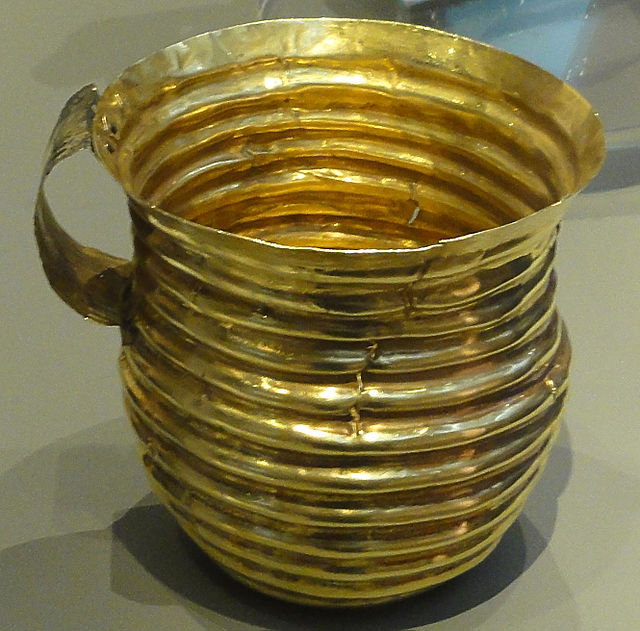
In 1837 a Bronze Age barrow on the eastern side of Bodmin Moor in Cornwall was excavated. Human remains were found alongside a number of objects including a bronze dagger, beads, pottery and a gold cup – the Rillaton Cup. At 90cm high, with a handle attached with rivets it resembles the beaker style of cup known from other Bronze Age burials. It is said that the cup is haunted by the spirit of a druid priest who offers travelers a drink from the undrainable cup. Local legend tells of one man who, in a fit of Christian pique, threw the contents of the cup at the ghost. He was later found dead in a ravine…
Busby’s Chair
Can a curse on chair result in the deaths of those who sit in it? In North Yorkshire there is such a tale centered around a Thomas Busby who was arrested, tried and executed for the murder of his father-in-law in 1702. Two versions of the local legend exist – one says that Busby cursed the chair on his way to the gallows and the other says he was drunk in the chair when arrested and that was when he cursed it. He was hung at a crossroads near an inn where the chair resided until the late 1970s. It was said that during the second world war Canadian airmen from the nearby base who sat in the chair never returned from their bombing missions over Europe. Following a series of fatal accidents linked to the chair in the 1970s the chair was donated to the museum at Thirsk where it hangs permanently on a wall beyond the reach of curious bottoms…
The Great Bed
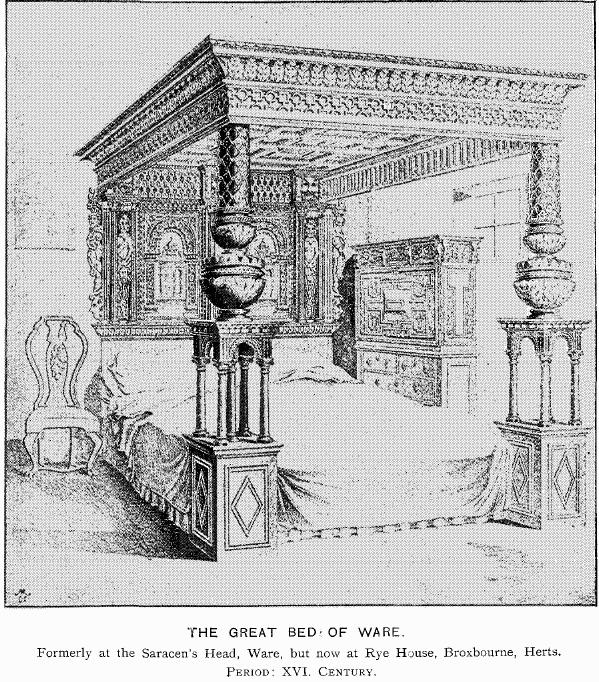
In the town of Ware (Herts)there once was a carpenter named Jonas Fosbrook who made a bed fit for a king. It is massive four poster constructed from oak and measuring 3.38m long and 3.28m wide. It was said that Fosbrook intended the bed to be used for Edward IV although there is no evidence of this ever happening. The bed was owned by several of Wares inns; it was alleged that once in the 17th century twelve married couples slept in it. However, it is said that the ghost of Fosbrook will pinch and scratch anyone who slept in it because the bed was not being used for royalty. The Great Bed is now housed in the Victoria and Albert Museum in London.
The King’s Lynn Brick
In the wall of a house on the north-west corner of the ancient Tuesday market in King’s Lynn is a diamond shaped brick with a heart carved into it. According to local tradition it marks the spot where the heart of witch burst from her body as she was being burnt at the stake and hurtled across the market square to smash against the wall. Being burnt at the stake was not a common means of execution for those accused of witchcraft in England, hanging was the preferred method however one of the few witches to suffer death by fire in England was Margaret Read of King’s Lynn in 1590.
‘Alas poor Yorick…’ – Skulls and more skulls…
Keeping a skull of a long dead ancestor or past occupant of a house on shelf or in a cupboard should be a rare and somewhat odd occurrence, but it is not. A brief foray into the records shows that there are at least half a dozen instances of skulls being kept in houses across the UK.
On a farm near Buxton in Derbyshire there is a skull known affectionately as ‘Dickie’, said to have once been a Ned Dixon who was murdered by his cousin in the house – although the tale is also sometime told as love triangle where two sisters fell in love with the same man and one sister murdered the other. Either way, it is said that should the skull be moved then all kinds of disasters will fall upon the farm. A well meaning soul once thought to bury the skull and before long things began to go wrong – pigs died, cows became ill and crops failed. Once the skull was retrieved life once more settled down and all was well.
On another occasion, in 1870 there were all sorts of issues regarding unsuccessful building work by a railway company who were a little to close for comfort and disturbing ‘Dickie’s’ rest. The issues soon stopped though when the railway company chose a different route for the railway…
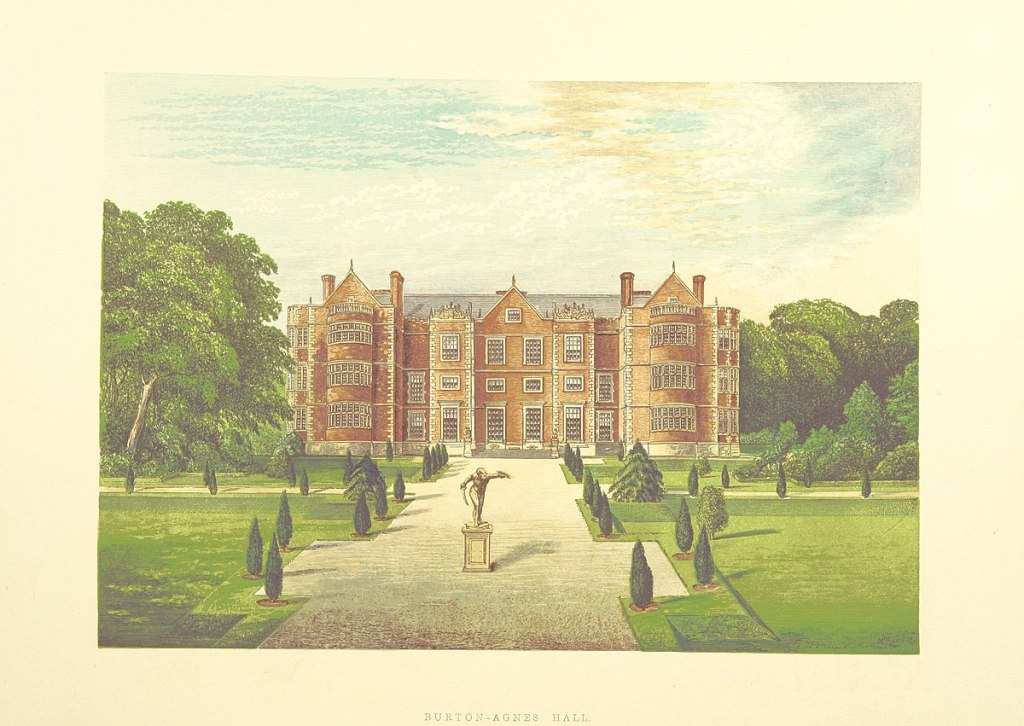
Burton Agnes Hall in Humberside was built by three sisters in the seventeenth century. One day the house was attacked and the youngest sister Anne was mortally wounded. Before she died she asked that her head be kept in the house she loved. Her sisters chose to ignore Anne’s request and she was buried whole in the local churchyard. However, Anne’s unhappy soul created havoc in the house and eventually the sisters were forced to disinter their sister and remove her head. Some years later a new maid took fright when she came across the skull and threw it out of a window where it landed on a passing cart. The story tells how the horse stopped immediately and would not move until the skull was returned to the house. It is now bricked up in one of the walls so it can never be removed and since then all has been quiet, even if her ghost is still occasionally seen watching over her beloved home.
At the head of the staircase in Wardley Hall, Greater Manchester is the skull of Father Ambrose Barlow who was hung, drawn and quartered in 1641 when he confessed to being a Catholic priest. It is said that if moved it emits blood curdling screams and will bring misfortune on the house. The antiquary Thomas Barritt wrote of the skull, “if removed or ill-used, some uncommon noise and disturbance always follows, to the terror of the whole house.” When Wardley Hall was divided into miners tenements, the new tenants attempted to rid themselves of the macabre object much to their detriment. Peace was only restored once the skull was brought back to the Hall.
Near to the shore of Lake Windermere is the sixteenth century manor house called Calgarth Hall. Before the manor was built the land it sits upon was farmed by Kraster and Dorothy Cook who refused to sell their land to the neighbouring landowner and magistrate Myles Phillipson which led to a great deal of ill feeling between the two parties. However as Christmas approached Phillipson invited the couple to dinner declaring he wished to mend the rift. The Cooks were happy to obliged and duly arrived at the magistrates house on Christmas morning, unfortunately the day did not end well when it was found that a small silver bowl which had been on the table near Kraster had gone missing. The Cooks had just put on their coats which had been unattended all day and when searched the bowl was found in Kraster’s pocket.
The Cooks were arrested, tried and found guilty of theft – all before the magistrate, Myles Phillipson. As was the law in those days they were sentenced to hang, as Dorothy was being taken from the court she cried;
“Guard thyself, Myles Phillipson! Thou thinkest thou hast managed grandly but that tiny lump of land is the dearest a Phillipson has bought or stolen for you will never prosper, neither will your breed…Never will you be rid of us”
The following Christmas the hall had been built and was ready for occupation and a huge banquet was planned. The evening of the banquet the lady of the house went upstairs and to her horror came face to face with two skulls grinning at them from the balustrade, one even had hair much like Dorothy’s. The guests declared this to be some nasty prank and threw them into the yard, later that night the skulls reappeared. After which all attempts to get rid of the skulls failed, as time and time again they reappeared on their perch. Myles Phillipson suffered multiple misfortunes and with each setback the skulls would scream in celebration. On his death he had lost all his lands, wealth and positions. The hall was inherited by his son and the skulls only appeared at Christmas, but Dorothy’s curse continued and the Phillipson family became impoverished. Only when the hall passed into new hands did the haunting of Calgarth hall cease.
At Higher Chilton Farm at Chilton Cantello, Somerset there is a special cupboard containing the skull of Theophilus Brome, a one time owner of the farm. Theophilus died in August 1670 and one of his last requests was to have his head removed from his body and kept at the farm for all of time. The reasons for such a strange request are unknown and it is not known if he had placed a curse on any who would remove his skull from the farm. But what is told that whenever someone has attempted to move the skull the resulting supernatural commotion has meant it remains in the house. In Collinson’s History of Somerset from the 1860s there is an entry which refers to the skull.
“…(of which) the tenants of the house have often endeavoured to commit to the bowels of the earth, but have as often been deterred by the horrid noises portentive of sad displeasure…”
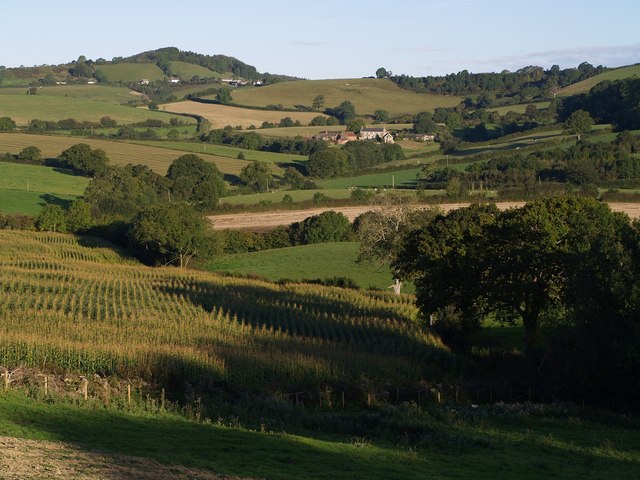
In Dorset at Bettiscombe Manor another skull can found which objects strongly to being moved from its abode. One nineteenth century tenant of the manor had the audacity to throw the skull into a pond. The house was shaken by screams and tremors for days until the skull was retrieved and placed back in the house. Interestingly, analysis of the skull has shown that the skull is about 2000 years old and is that of a woman in her twenties.
Read more about England’s screaming skulls here and here.
Drake’s Drum
In Buckland Abbey, Devon is Drake’s Drum, said to have accompanied Francis Drake when he circumnavigated the globe in 1577-80. Not unlike the legend surrounding King Arthur it is said that Francis Drake is not dead but only sleeping. Whilst not necessarily haunted it is said that if his drum is beaten he will wake to his country’s call. The drum is said to have been heard when the German fleet surrendered in 1918.
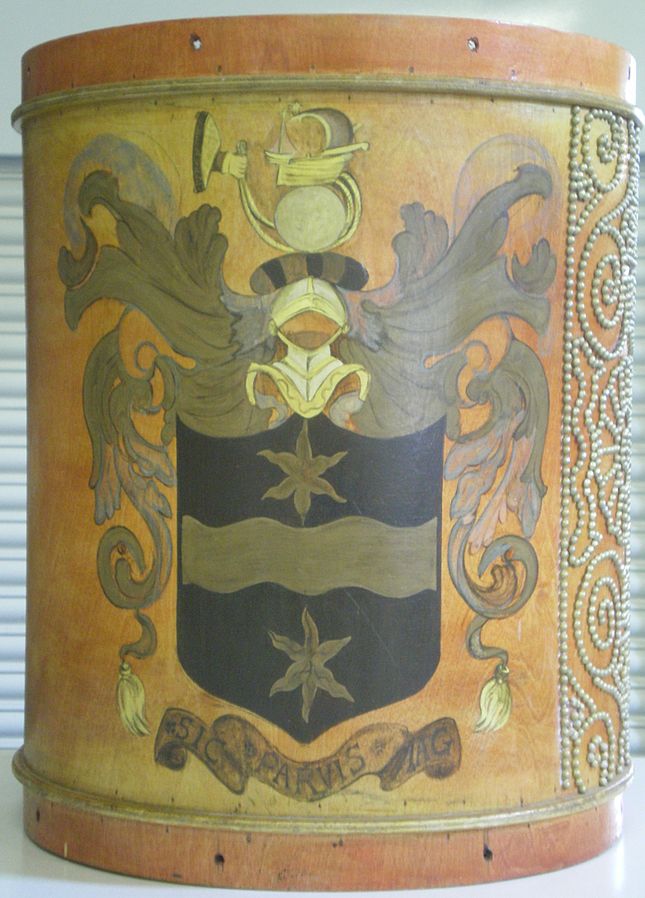
There are many objects from around the world which are said to be haunted or cursed, some are famed and others not so much – Ebay apparently do a roaring trade in haunted items…be ware the buyer…
If you want to disappear down a rabbit hole then these sites are a good place to start – happy haunting…sorry I meant hunting…
Cursed Objects – Atlas Obscura
Top 10 Haunted Objects in Museums – YouTube
People have always lived in the area that is now known as London, a visit to the London Museum will tell all you need to know about London before it was London. However, it was the Romans who gave the area its name – Londinium – and apart from a small hiccup in the first century AD they provided the structure that would become one of the most famous cities in the world.
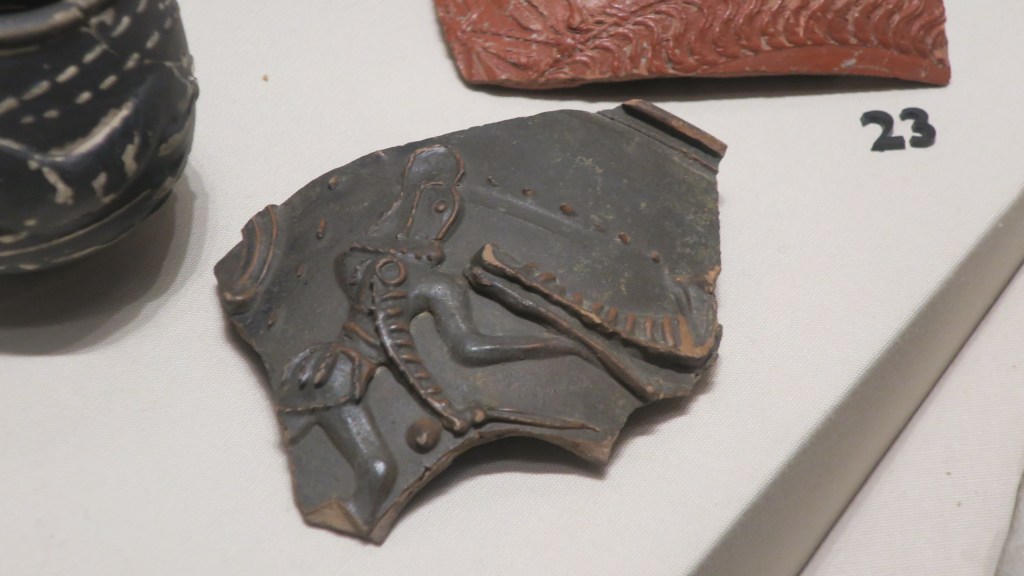
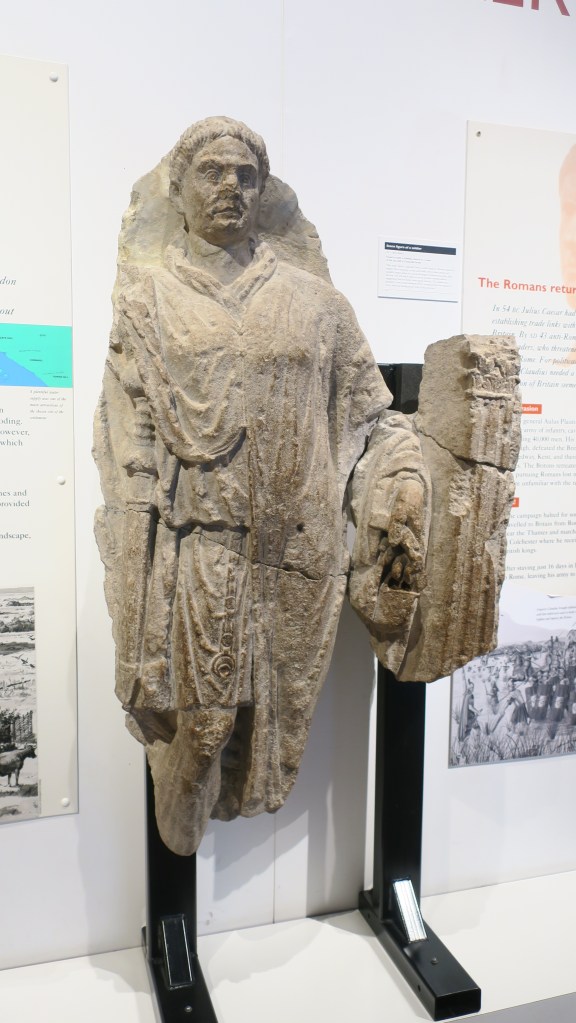
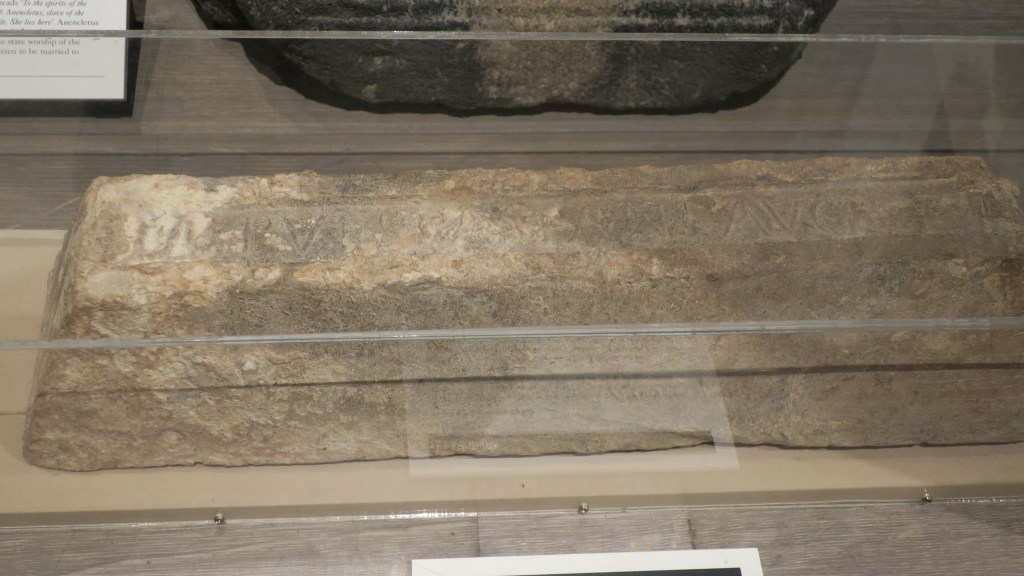
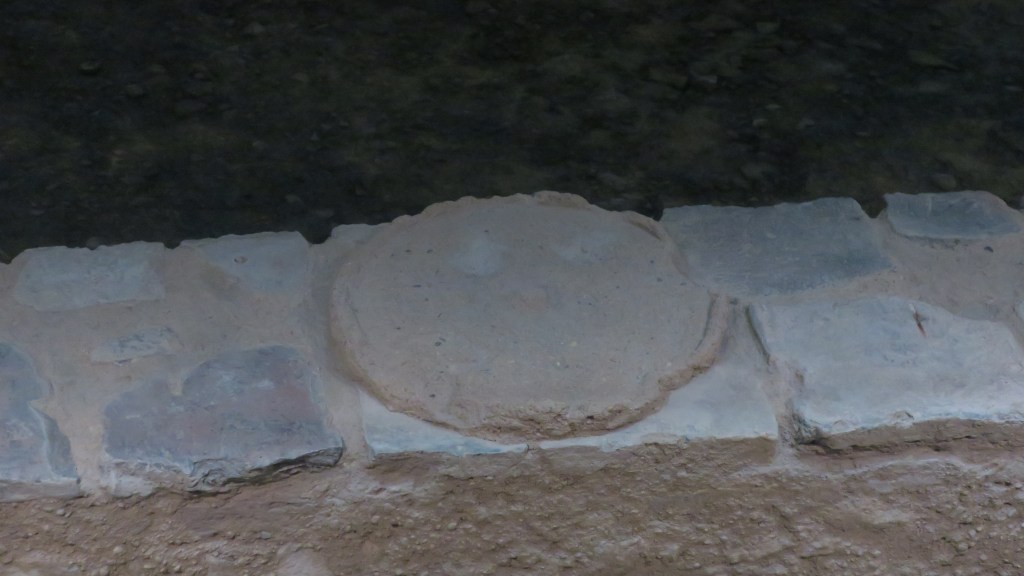
Although later parts of the city’s history can be easier to spot, the evidence for Roman London is possible to find. The following is not an exhaustive guide, just a few pictures and the like of places as and when they were found.
The most obvious evidence for the Romans can be seen in the sections of the surviving wall that once surrounded the Londinium. Short sections of the wall survive in various places (one section is in an underground carpark) and are really the only upstanding remains left – all else having been destroyed and built over by later generations. The wall remained (with later additions and repairs) because it was useful. For those wishing to walk the wall – follow the road ‘London Wall’ which leads to and from the Museum of London, along the way there are several signposted places of interest.
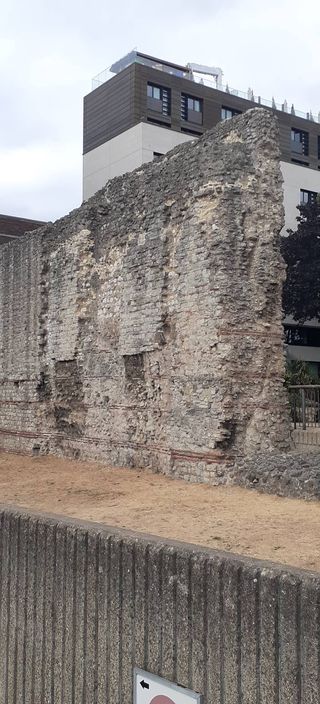
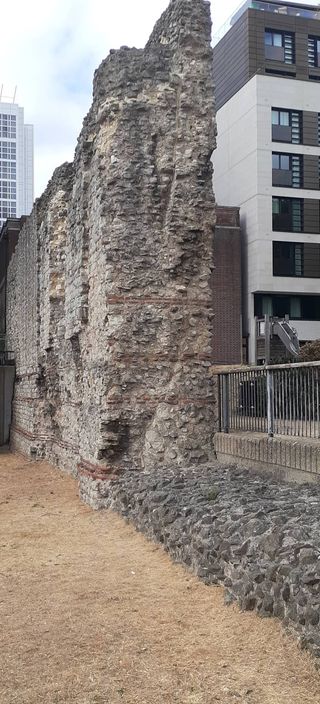
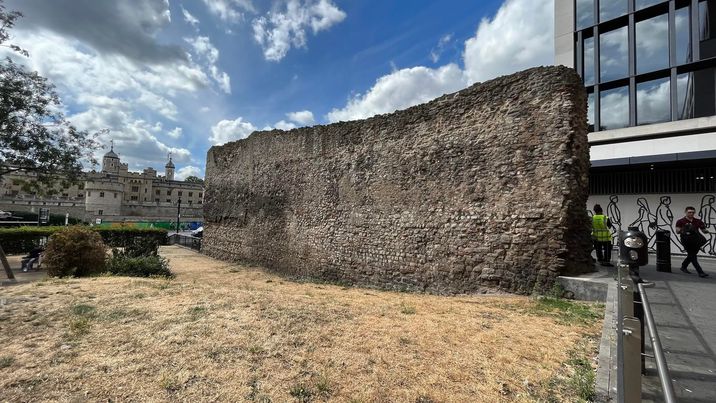

The above photos show a section of the wall at Tower Hill (first three pictures) and one of the bastions and wall section of the Cripplegate fort. The Roman fort formed part of the wall defences when it was built in the second century AD. Follow this link for an interactive map of other locations of the wall sections. Do keep in mind though that the Roman parts of the London wall are generally speaking the lower sections, later Londoners did alter, reinforce and reconstruct much of the upper sections as and when necessary.
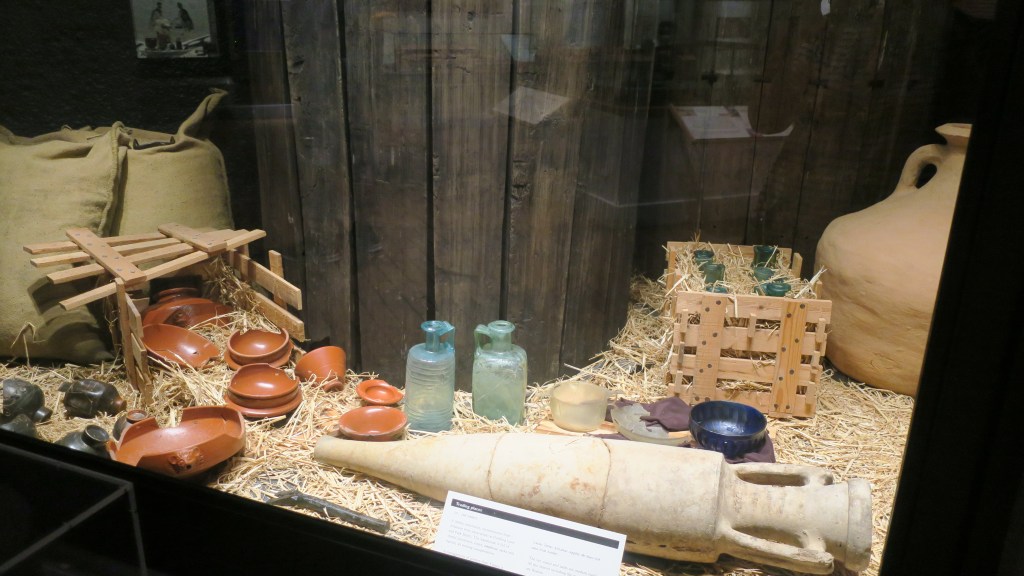
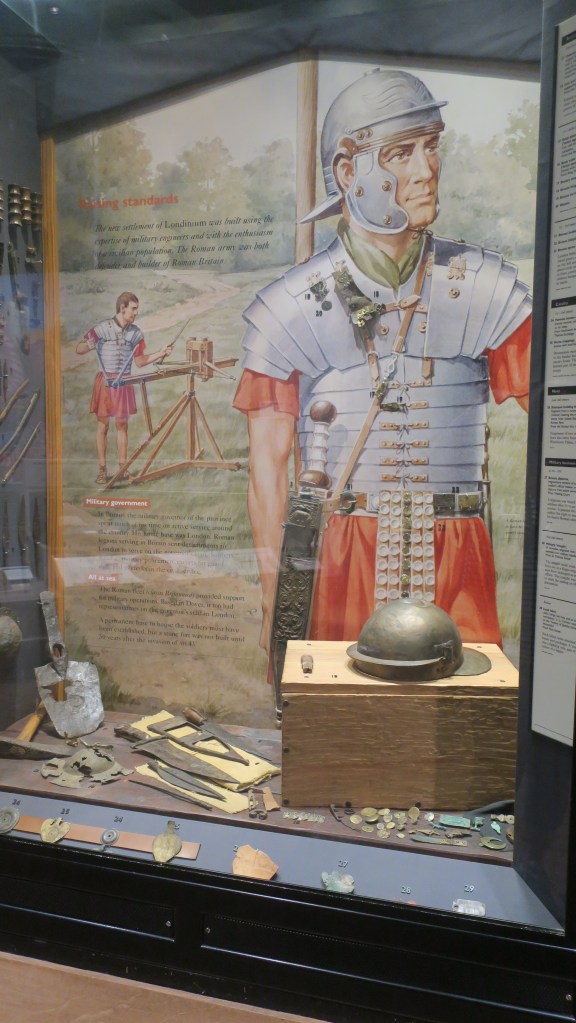
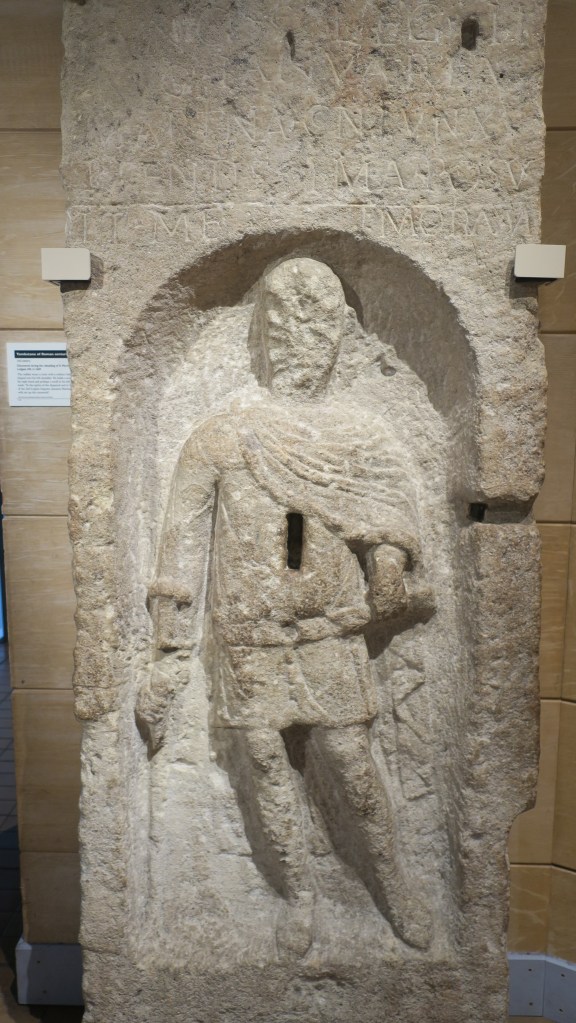
As mentioned before an essential place to start if you want to know more of London’s history is with the London Museum. More so if you want to learn about the Roman period and earlier as much of the evidence comes from excavations. The Roman galleries paint a fascinating picture of life at the time with the added bonus of a section of the Roman wall being just outside the museum (see above photo).
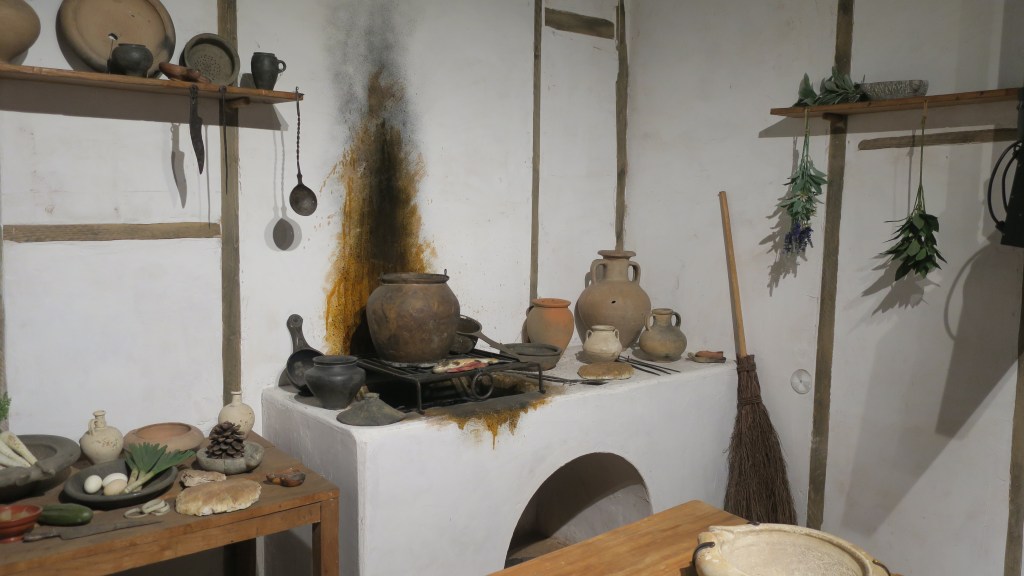
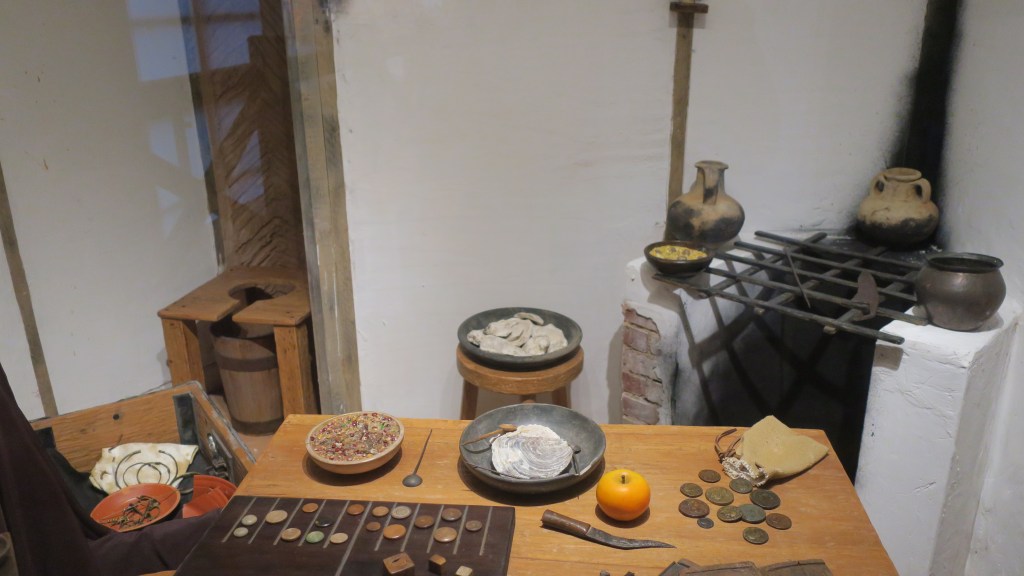
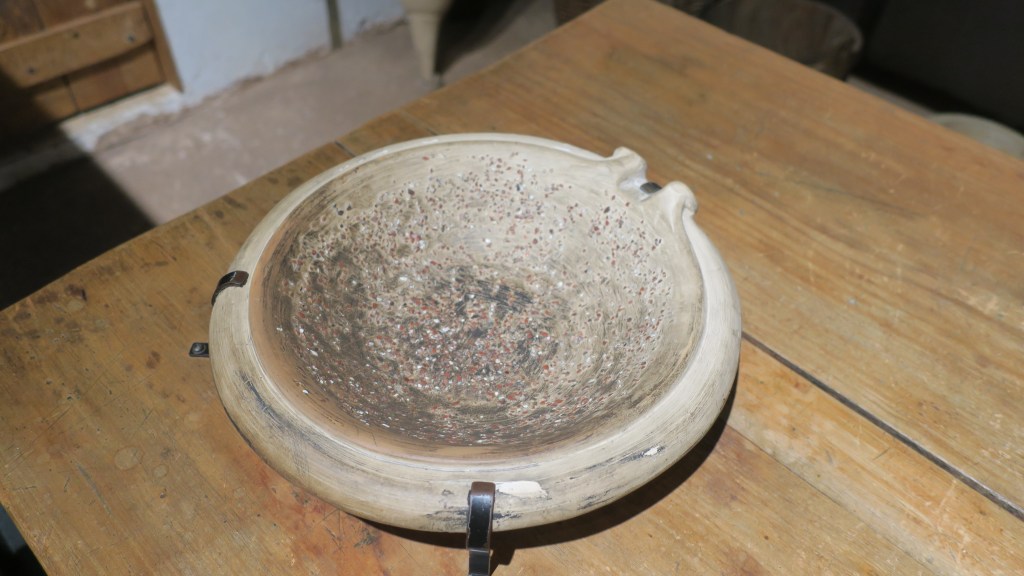
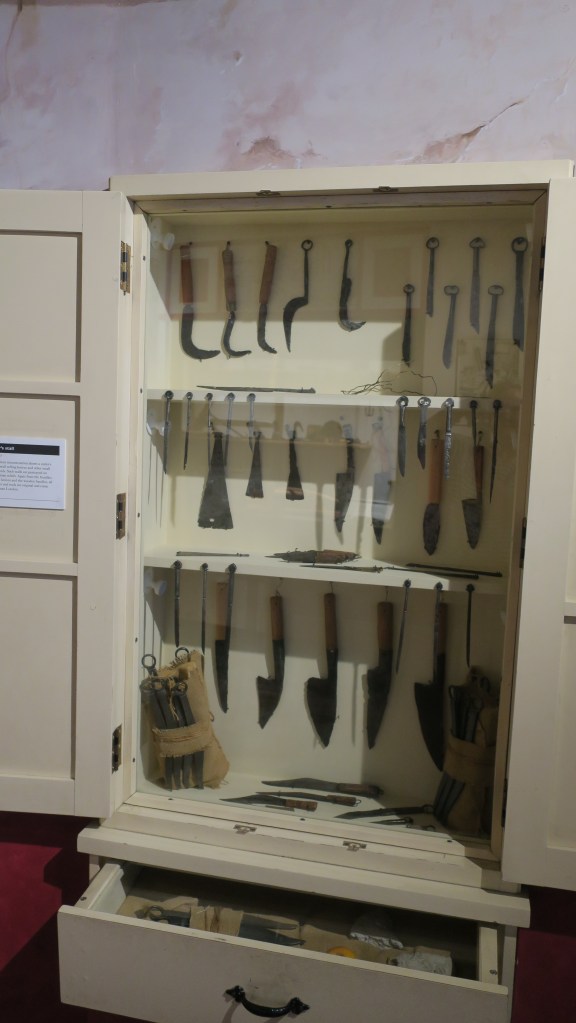
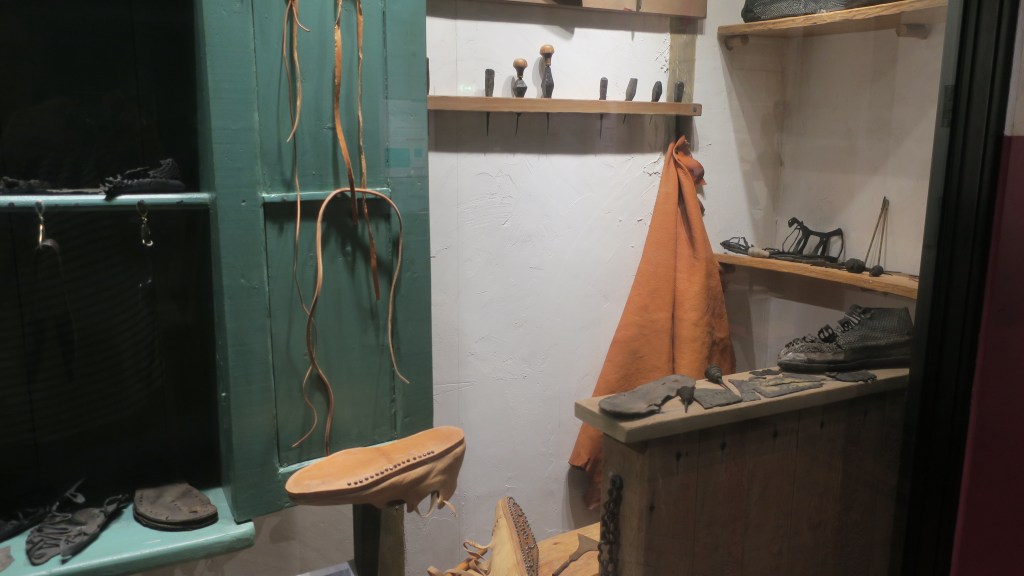
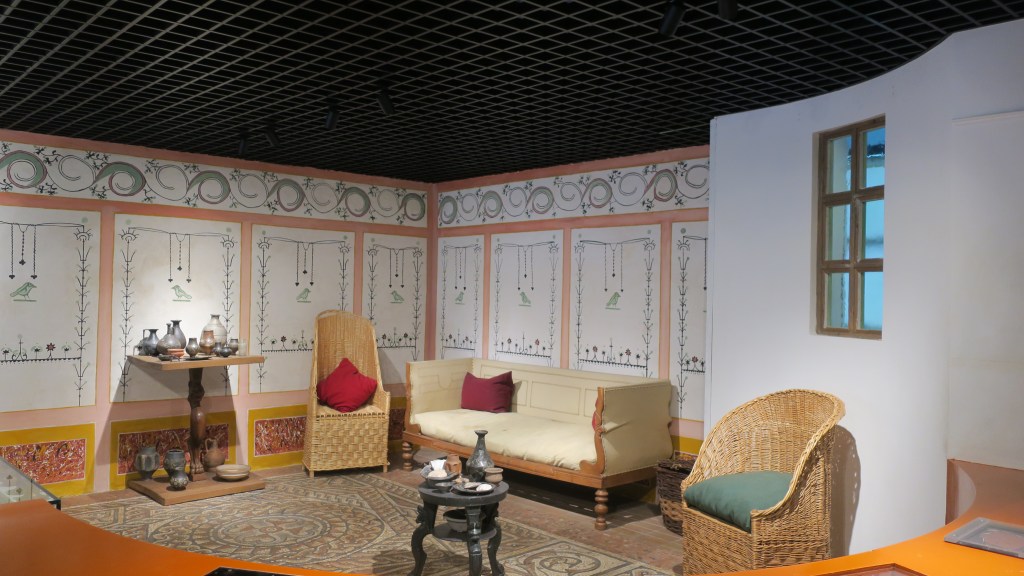
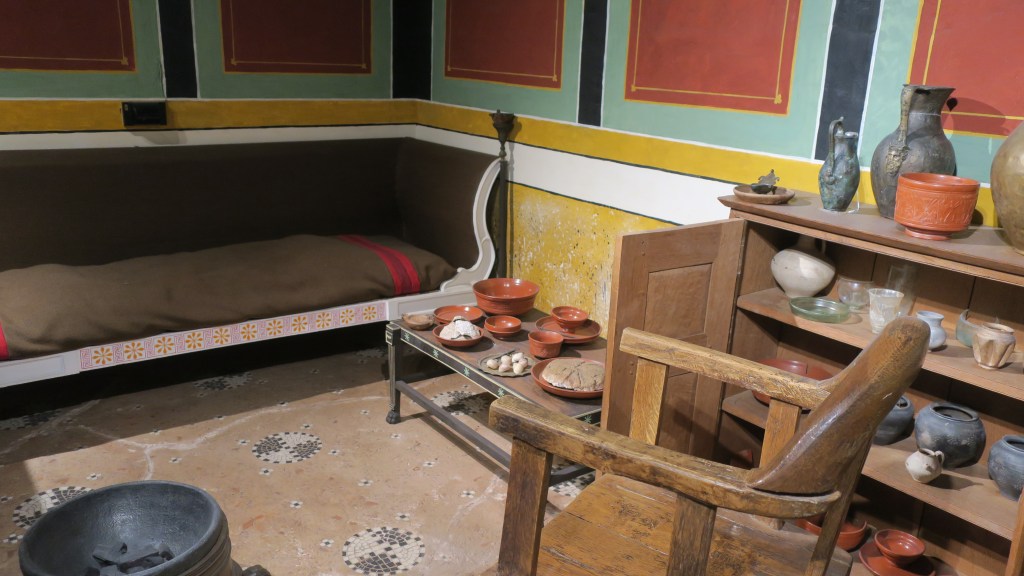
Part of the gallery is laid out as a series of ‘rooms’ where objects are given life like context. For example, cooking pots and utensils are placed within the context of kitchen befitting a Roman home.
There are also many of the usual museum type exhibits. It was particularly interesting to see the exhibit on the burial of the Roman woman found at Spitalfields.
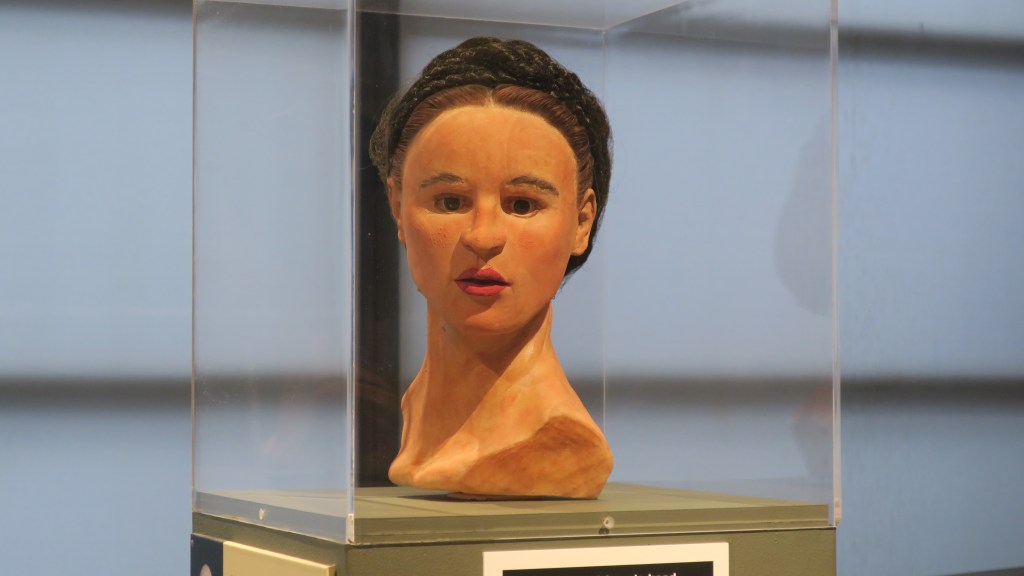
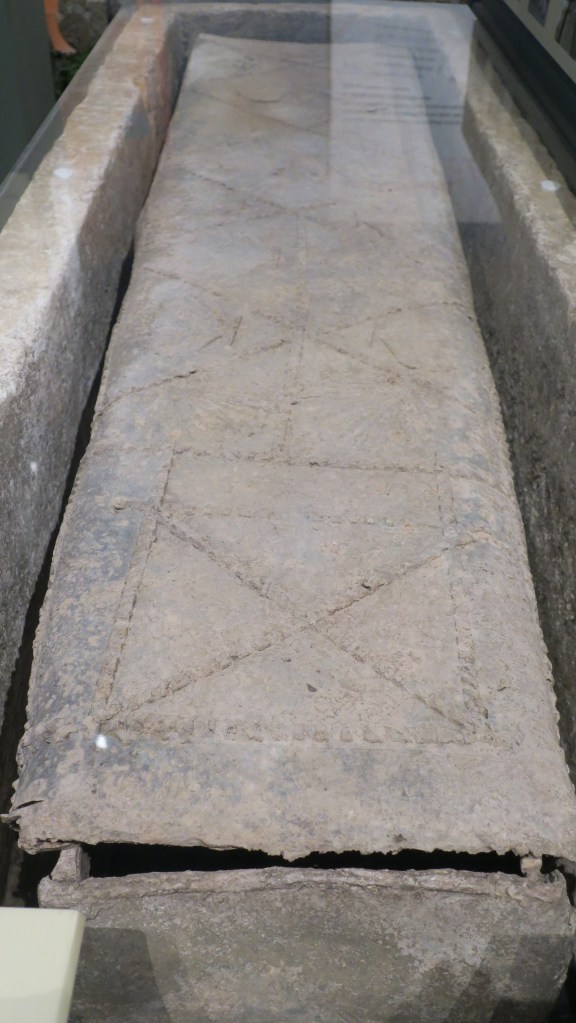
The above photos show a reconstruction of the Spitalfields woman and how she may have looked. Roman London was a cosmopolitan city and by AD120 the population was around 45,000. Many of the people living in Londinium came from all over the known world. The Spitalfields lady’s burial was of high status, not only did she have a stone sarcophagus but also a highly decorated lead coffin (above). Fragile glass vials were found with her as were pieces of Damascus silk. Chemical analysis indicated that she was one of the few known people to have actually come from Rome. Read here for more of her story.
Every generation since London’s inception has reimagined the city, demolishing that which did not fit or was not useful and rebuilding for their own purposes. Resulting in thick layers of history beneath the roads and buildings we see today. Every time a new road, building or train line is built the archaeologists move in to hastily uncover and record what can be seen, such as during the Cross Rail project. Many of these reports can be accessed via the Archaeological Data Service along with others such as 1 Poultry Lane and Tower Hamlets excavations.
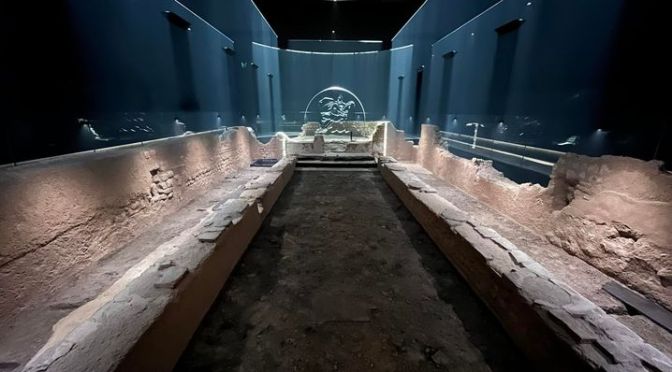
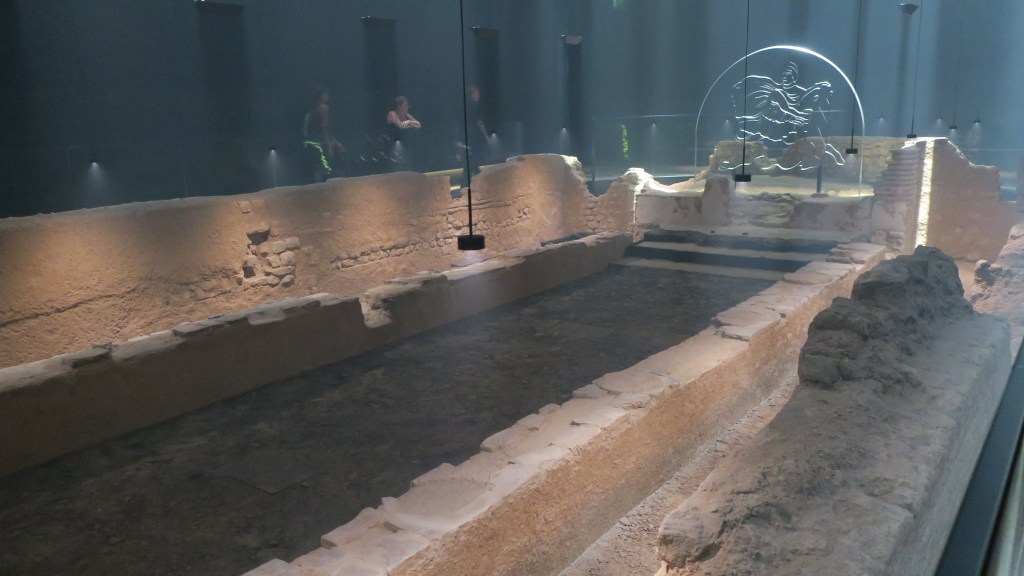
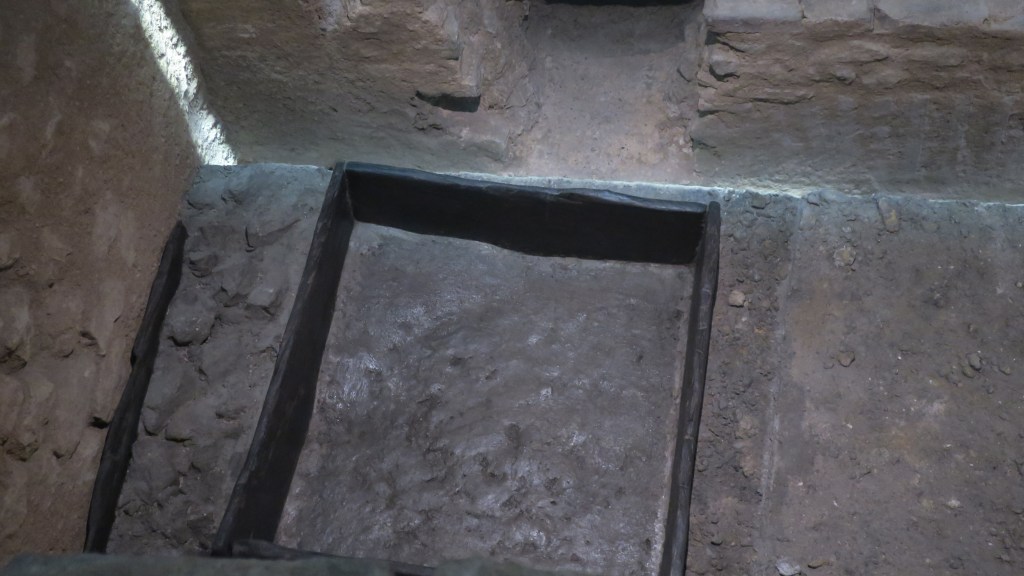
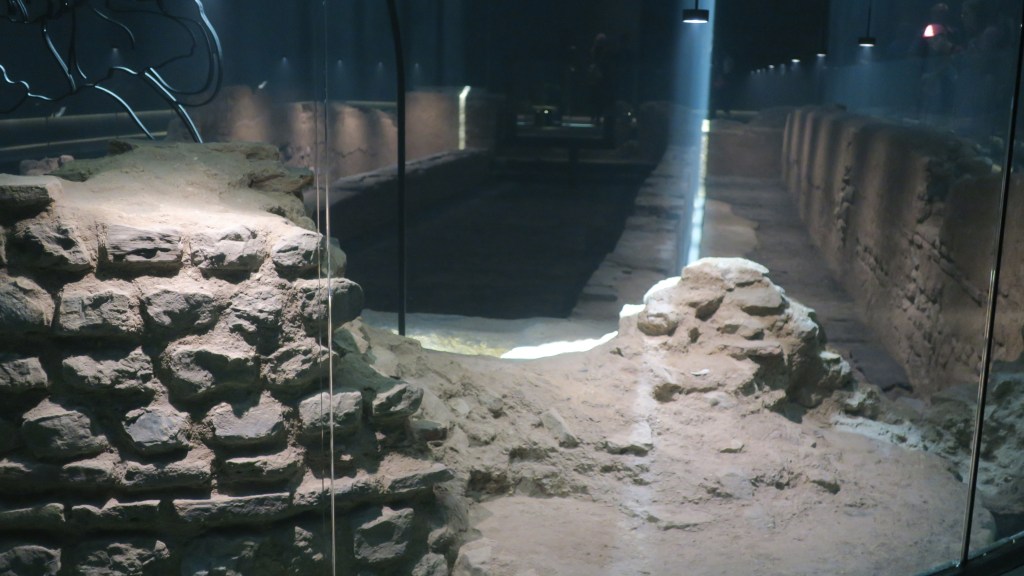
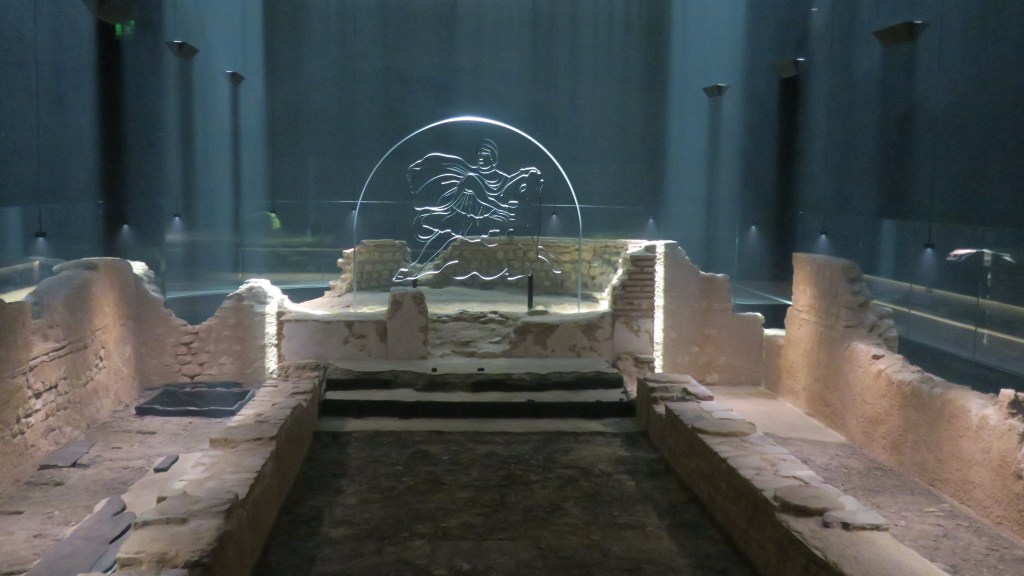
Most of what is excavated does not survive the process for numerous reasons, however in one case the remains of Roman temple has been preserved deep underground – the London Mithraeum. Located beneath Bloombergs European headquarters in the heart of the city is a well preserved and intriguing temple site dedicated to the eastern god Mithras.
The mysterious cult of Mithras first appeared in Rome in the 1st century AD. It spread across the Empire over the next 300 years, predominantly attracting merchants, soldiers and imperial administrators. Meeting in temples which were often constructed below ground, these were private, dark and windowless spaces. (From londonmithraeum.com).
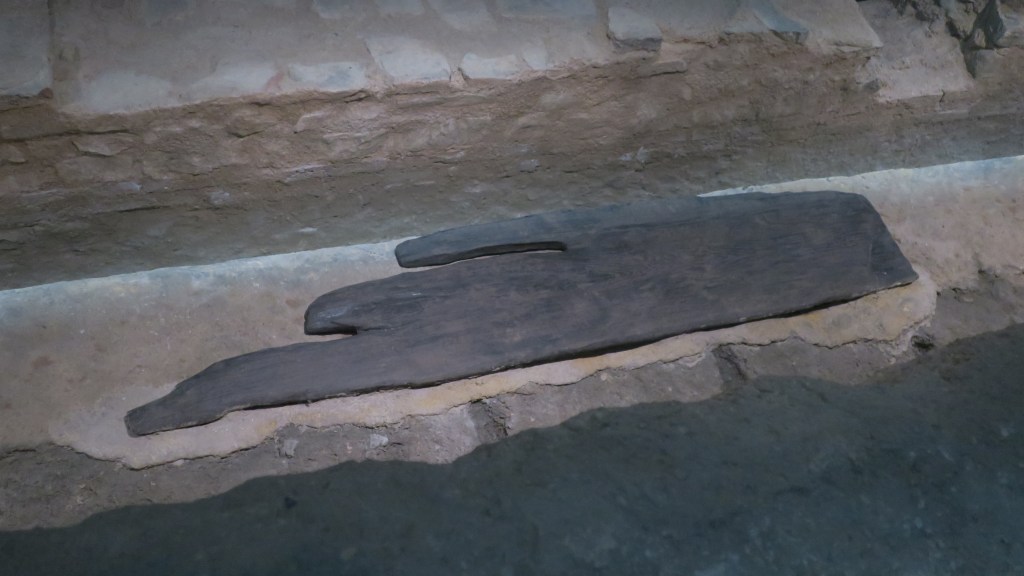
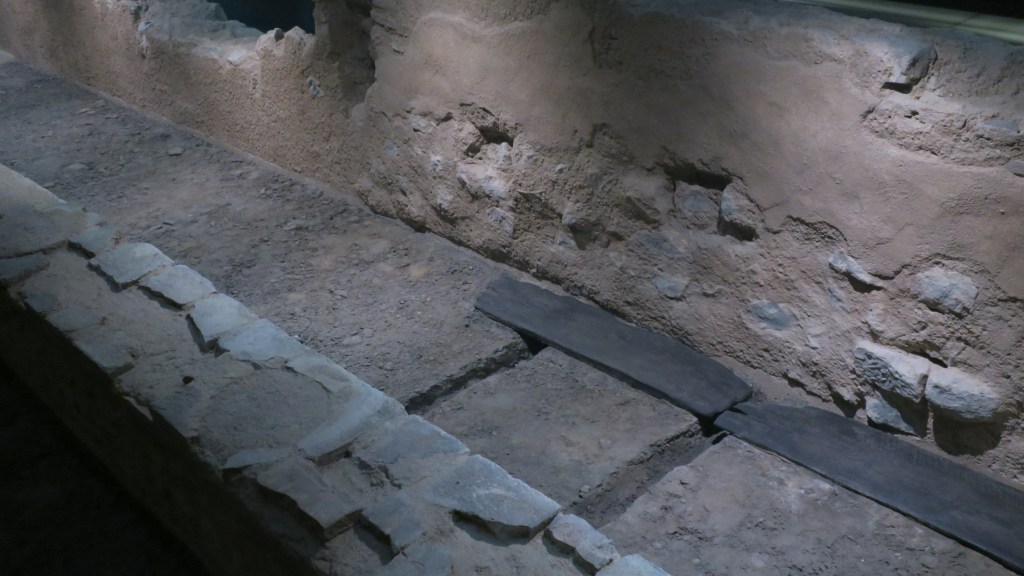
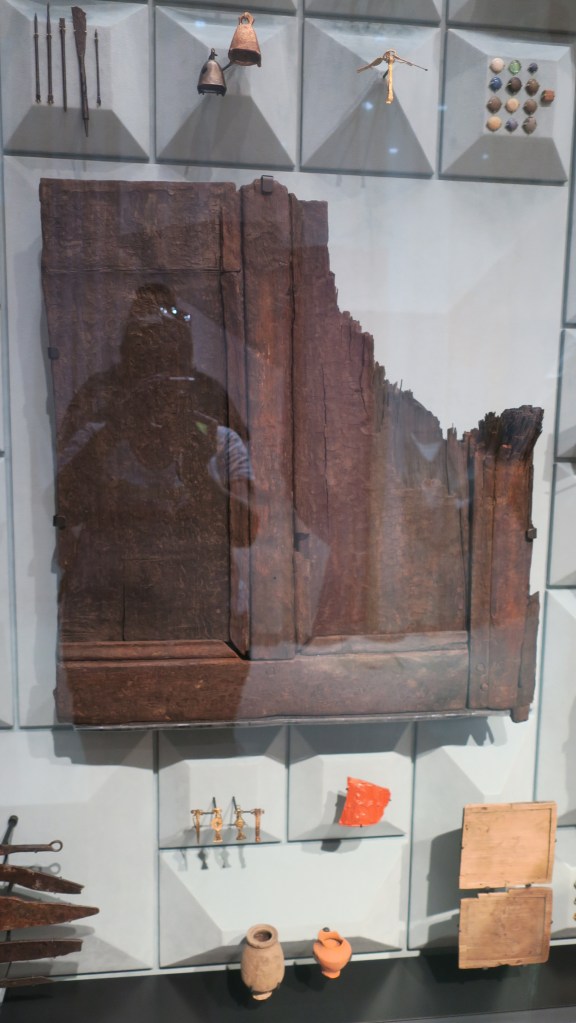
The temple was built in the third century AD and it lies on reclaimed land over what was once the river Walbrook; because of this a number of wooden artefacts survived. After the 1954 excavations the site was physically moved and reconstructed in the 1960s on the far side of the plaza where it sits now. During the construction of the Bloomberg center even more excavations were undertaken revealing even more about the sites fascinating past. As part of this process, it was decided to move the mithraeum back to (as close as possible) to its original position seven meters below modern ground level and open it to the public as educational and exciting place to learn about Roman London.
The experience is immersive – the visitor stands in a darkened room, surrounded by the sounds of the temple as it may have been, judicious use of lighting draws your attention to various spaces. Each session is timed and numbers limited (booking is essential but free). This allows for an unhurried and unharried visit of the mithraeum – evoking an atmosphere of quiet contemplation, similar to that felt when visiting a church.
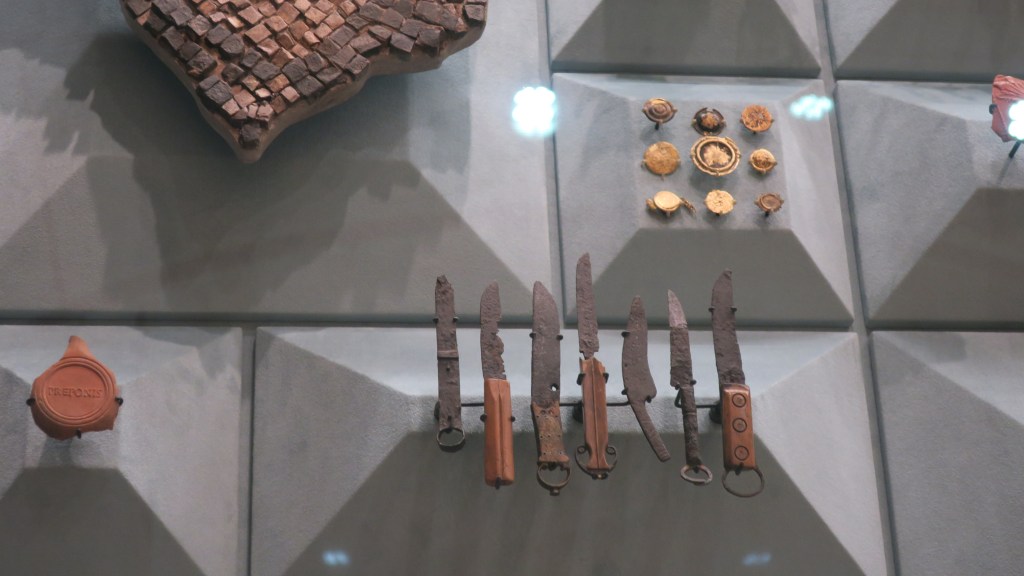
Although there is a small display of some of the many artefacts found during the 1954 excavations the sculpture featuring Mithras and the bull can be seen at the London Museum.
Another feature of Roman London which can still be traced above ground, so to speak, is that of the roads which ran in and out of the city. Some of the names may be familiar – Ermine St (now the A10/Kingsland Rd), Watling St (of which there are two…), not always easy to see or follow, later changes to the topography can blur the picture but it is always lovely when you accidentally find one such road…
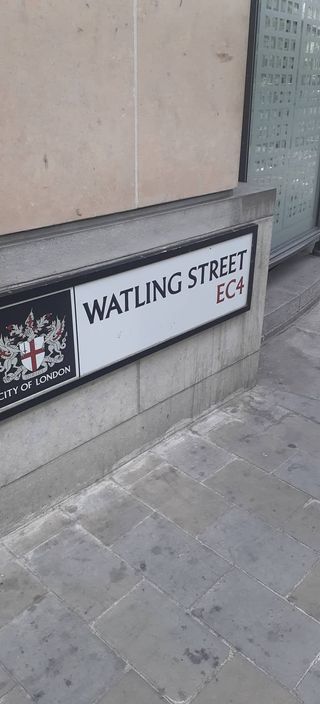
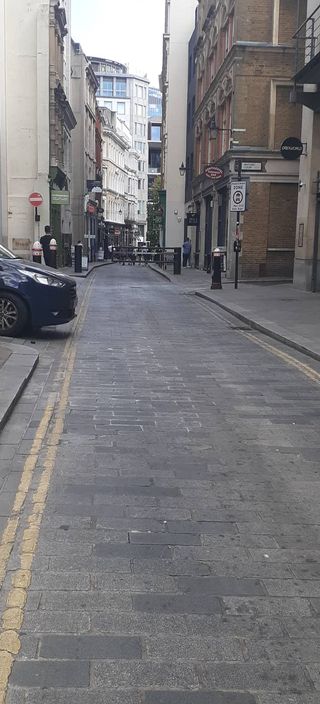
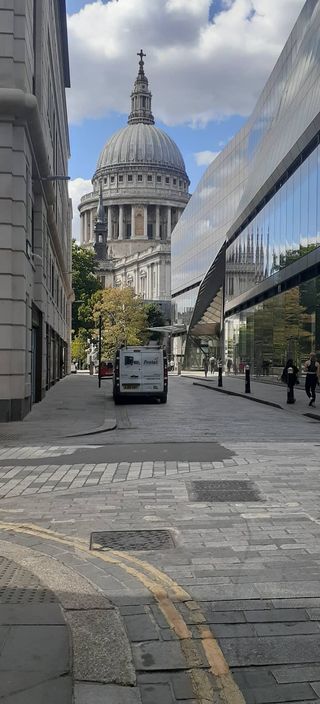
Here is the Watling Street which most likely ran south east past the mithraeum and across London Bridge heading towards Durovernum (Canterbury) and the coast. The site of todays London Bridge is roughly in the same position of the first proper bridge across the Thames built by the Romans.
Unlike later periods of London’s history the Roman story can be a little harder to find however it is well worth the effort should you make the attempt.
Postscript
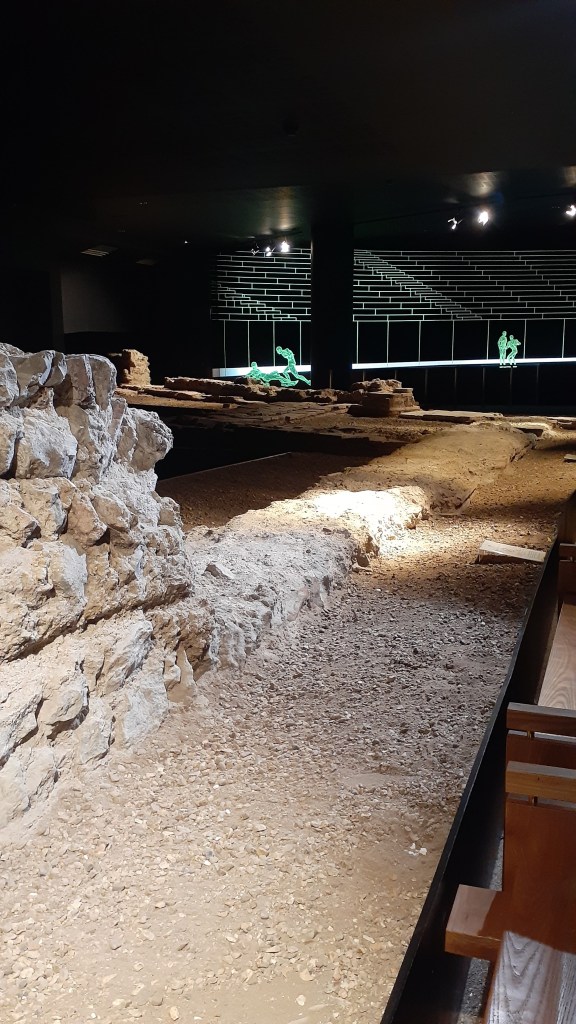
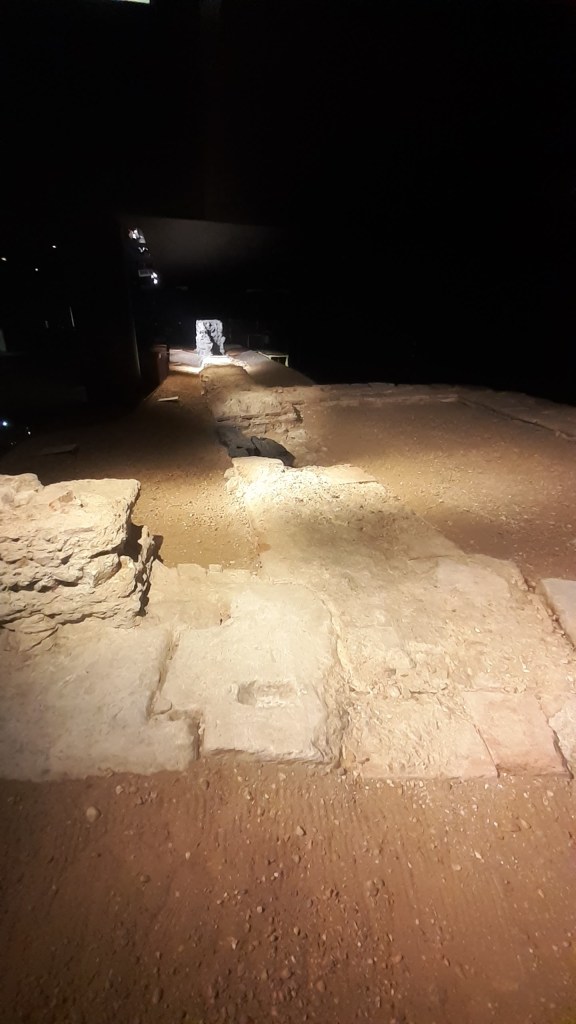
The above photos and information were gained when I visited London in 2022 but earlier this year (2024) I had the opportunity to return to London and during this time visited the Guildhall Art Gallery where it is possible to see the remains of the Roman amphitheatre. The gallery and access to the amphitheatre is free and well worth a visit. In the courtyard outside you can trace the footprint of the outer wall and imagine yourself watching gladiatorial contests.
In 1988, Museum of London archaeologists made an astonishing discovery that changed the face of Roman London. During an archaeological dig taking place in preparation for the new Art Gallery building project, it was found that the capital’s only Roman amphitheatre was located in Guildhall Yard. In 2002, the doors to the amphitheatre opened for the first time in nearly 2,000 years.
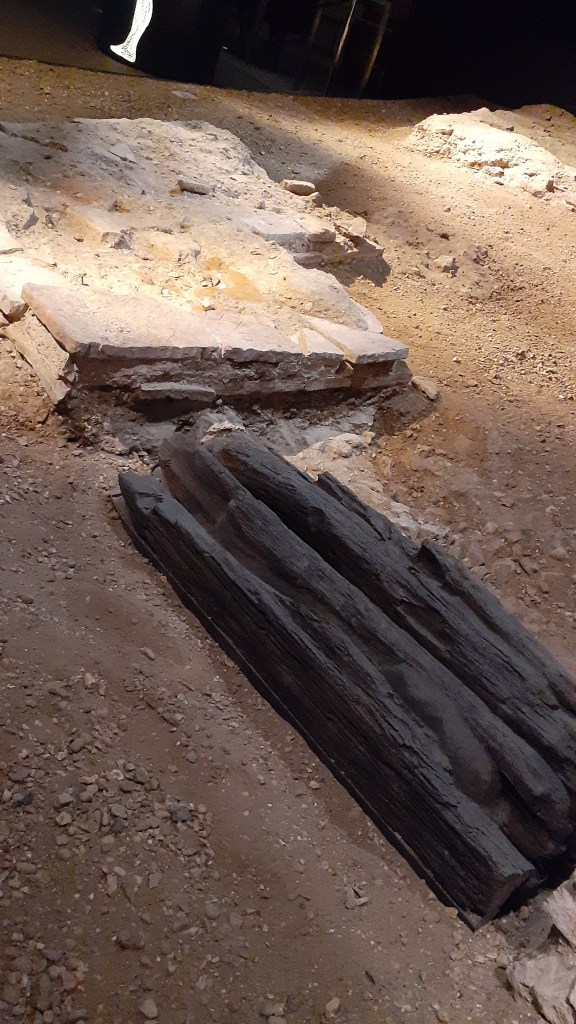
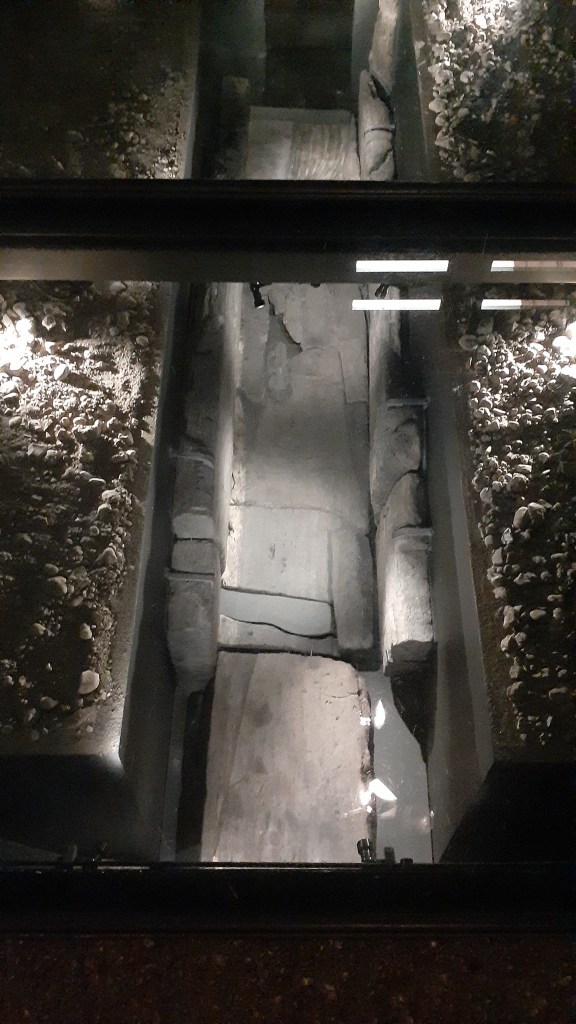
When short stretches of Roman wall were unearthed in Guildhall Yard the site became a protected monument. The City of London Corporation decided to integrate the remains into its proposals for a new Art Gallery and construction work began in 1992, alongside ongoing excavations. The surviving remains include a stretch of the stone entrance tunnel, east gate, and arena walls. They are protected in a controlled environment, 20 feet below the modern pavement, in which they can dry out slowly without damage to the ancient stonework. The original extent of the outer wall is marked by a circle of black paving stones in Guildhall Yard. (from the Guidlhall Art Gallery website).
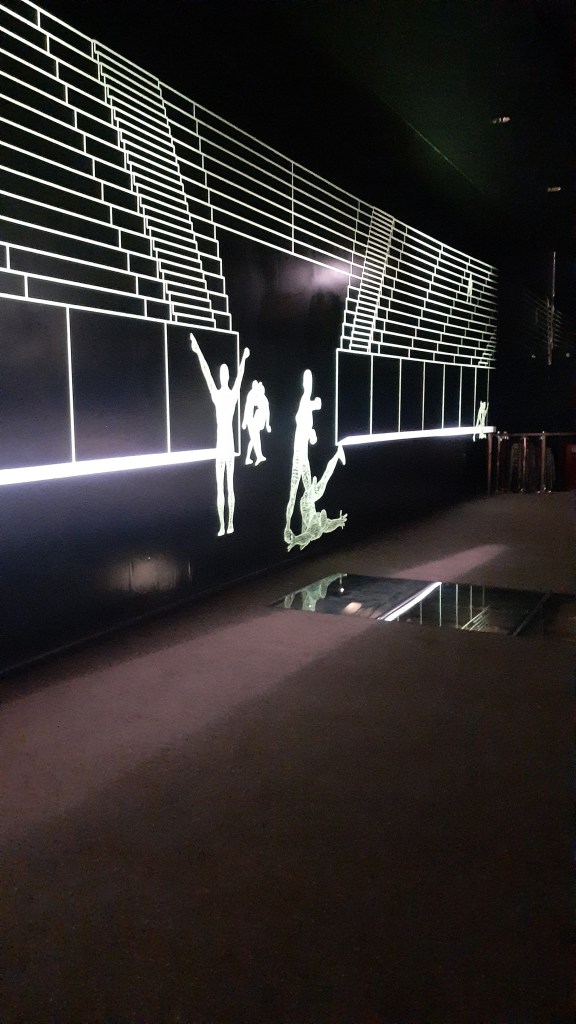
The following are a few photos of my visit to the amphitheatre. In some of the photos you can see light effect people filling the space helping to give the visitor a sense of how the arena was used.
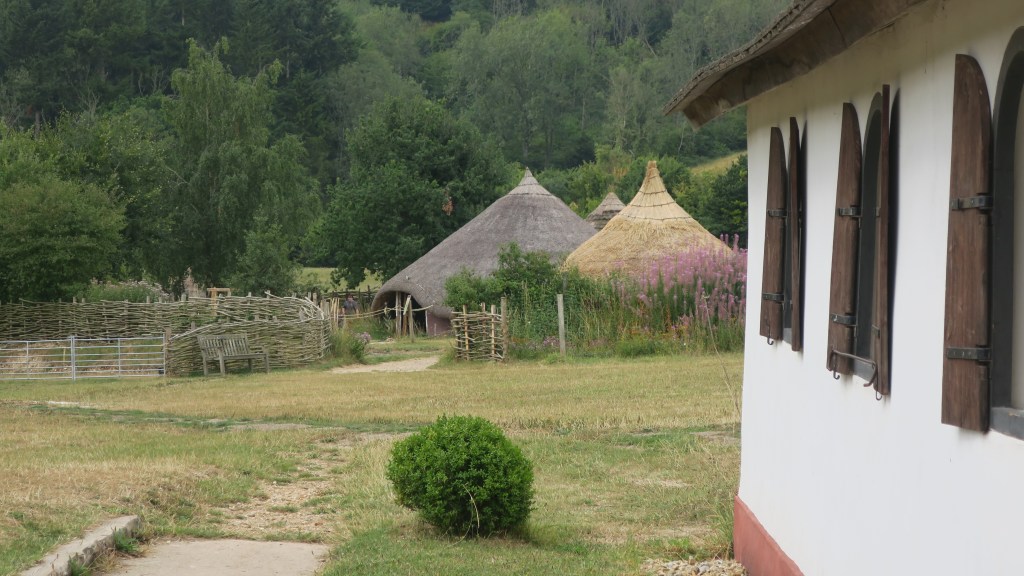
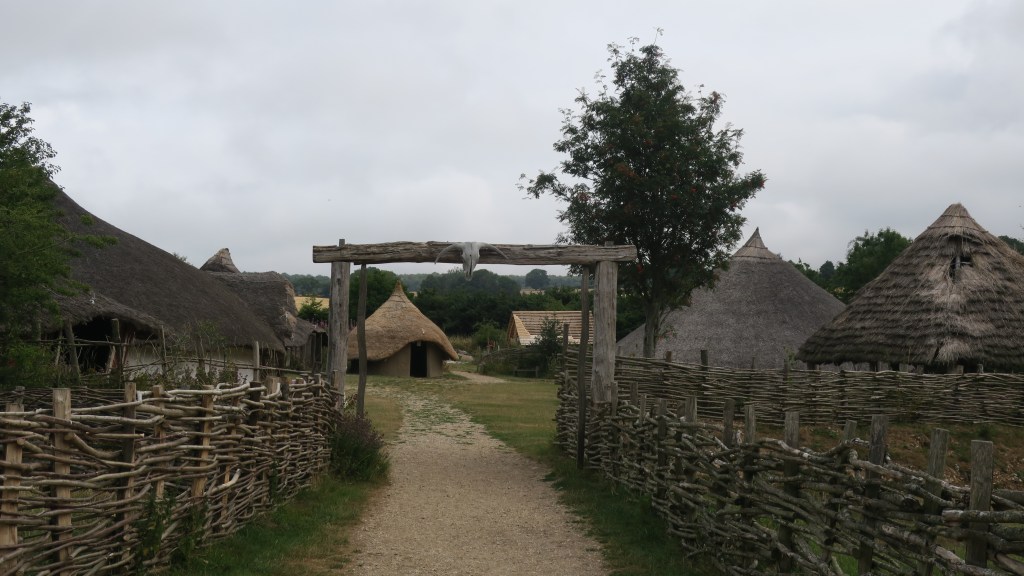
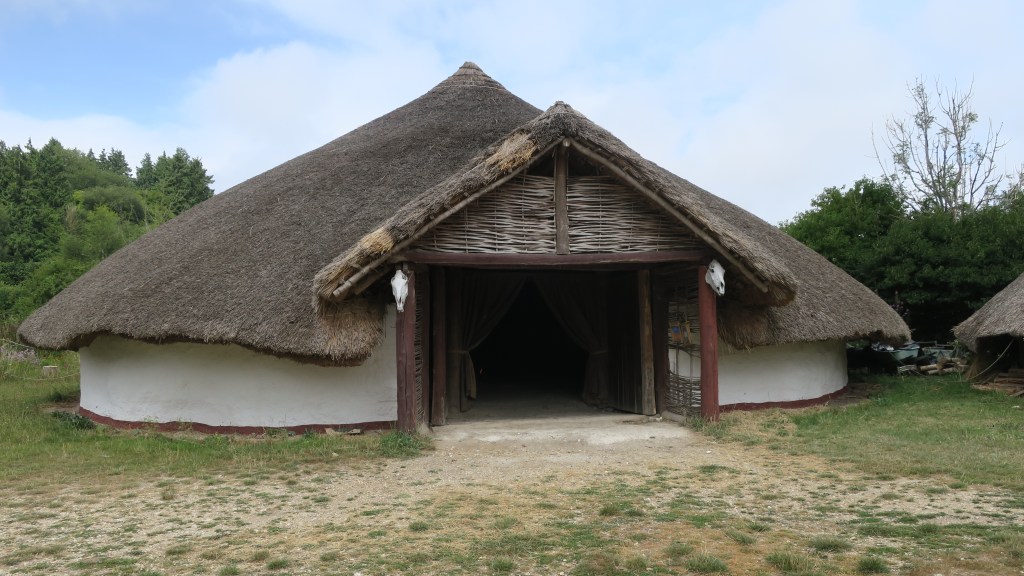
Experimental archaeology is the one path that virtually anyone can take to travel back in time; to get an idea of what life may have been like in the distant past. One such place which encapsulates this philosophy is Butser Ancient Farm, a place I had the chance to visit recently.
Butser began life in 1972, in a different location by the late Peter Reynolds, whose passion for experimental archaeology was contagious. The original farm was situated on Butser Hill, in what is now the Queen Elizabeth Country Park, in part because of the evidence for extensive Iron Age field systems on Butser Hill, still visible in the prehistoric field boundaries and earthworks that cover the landscape. However, it did not open to the public until 1974 and because of its popularity moved to a more accessible site at the bottom of Butser Hill. In 1991 the farm moved to its present location (near Chalton, Hampshire – just off the A3).
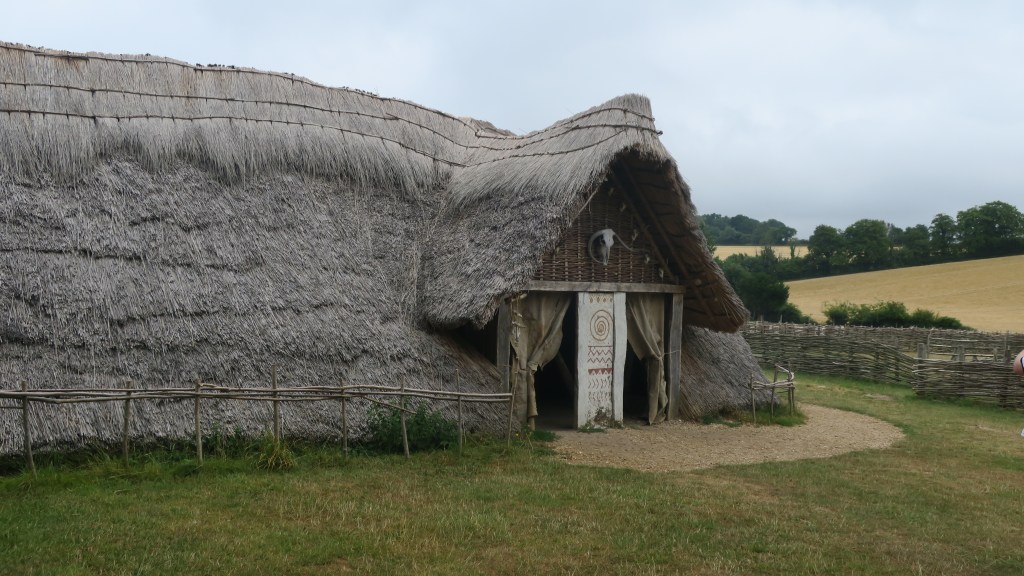
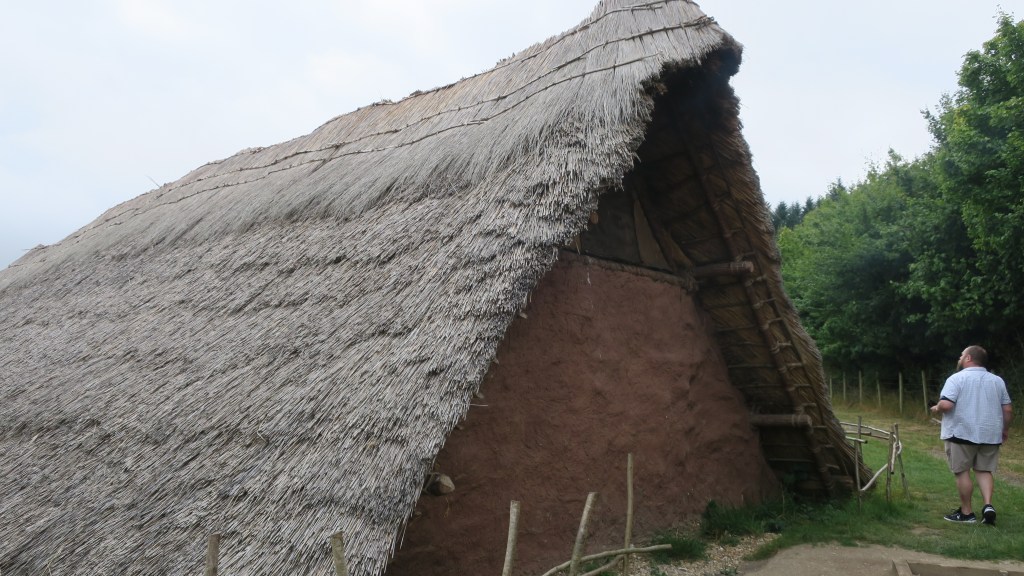
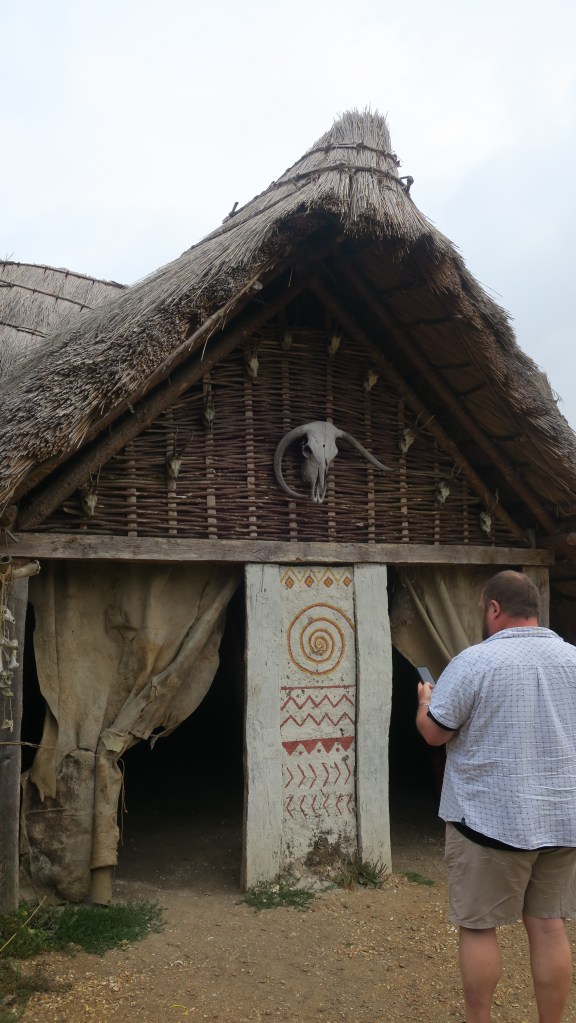
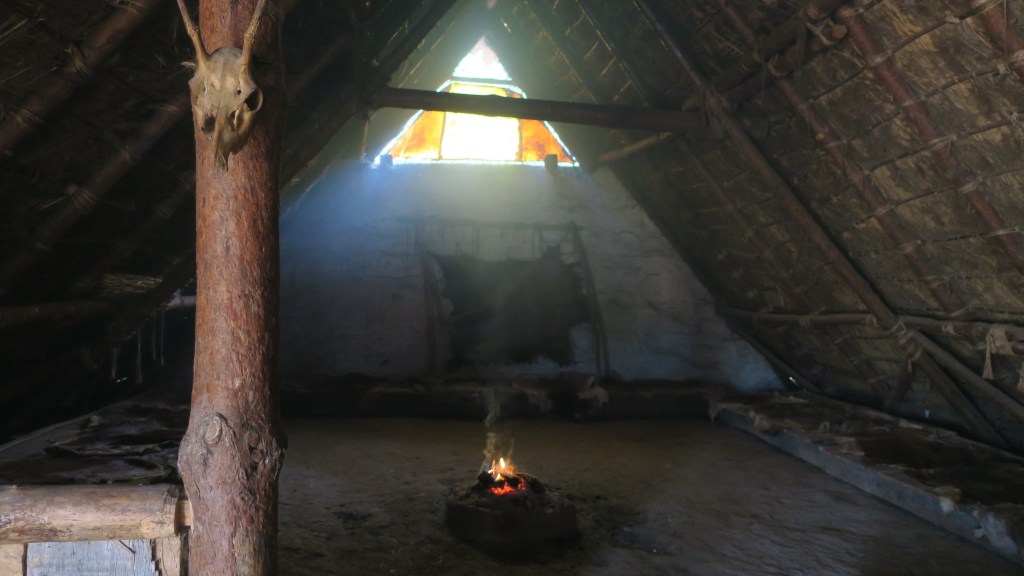
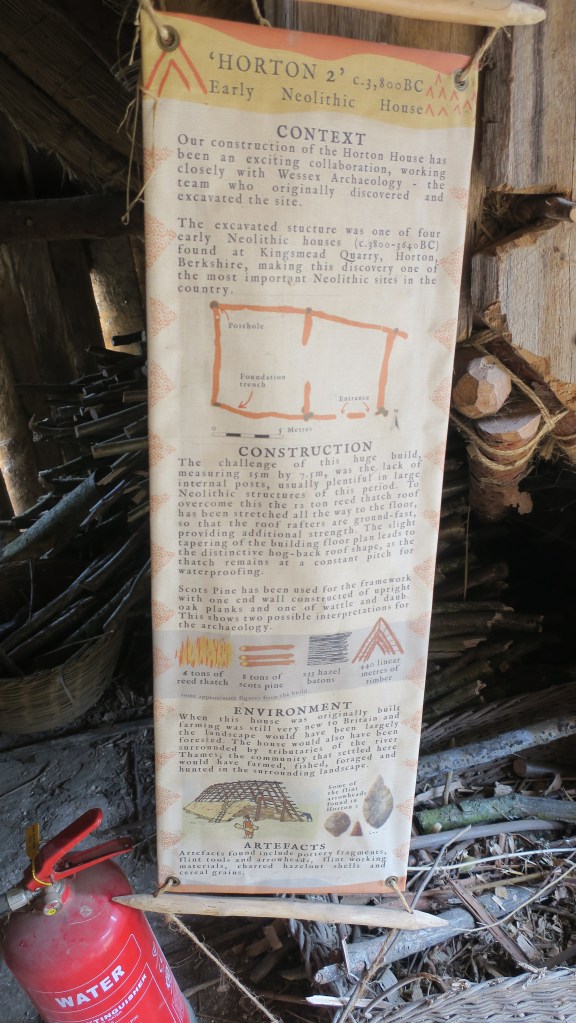
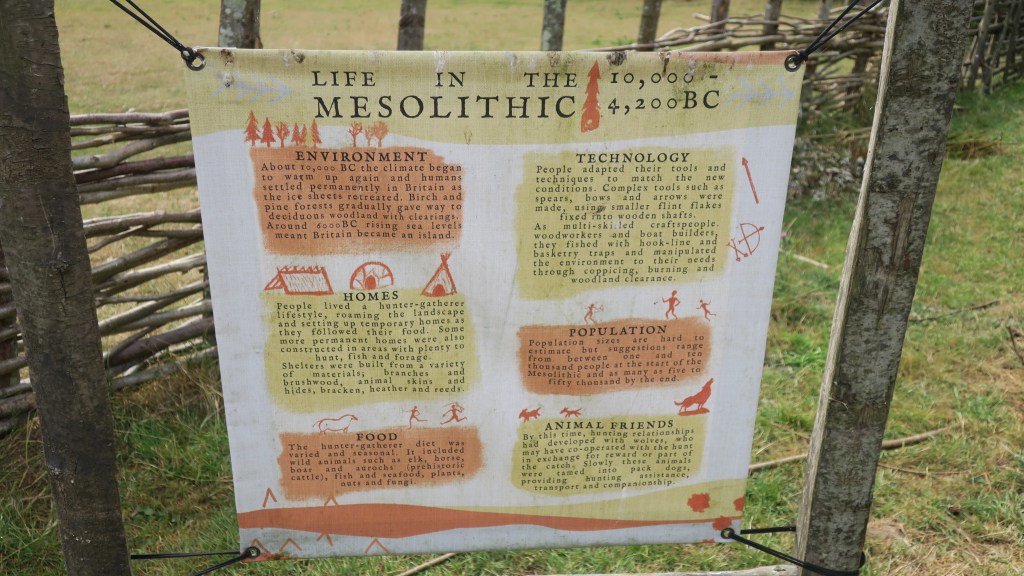
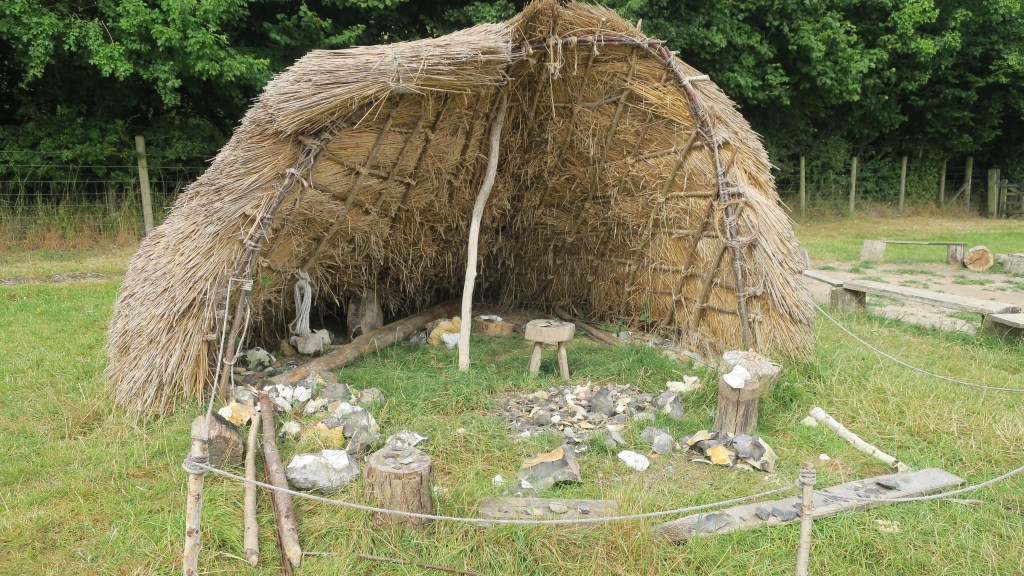
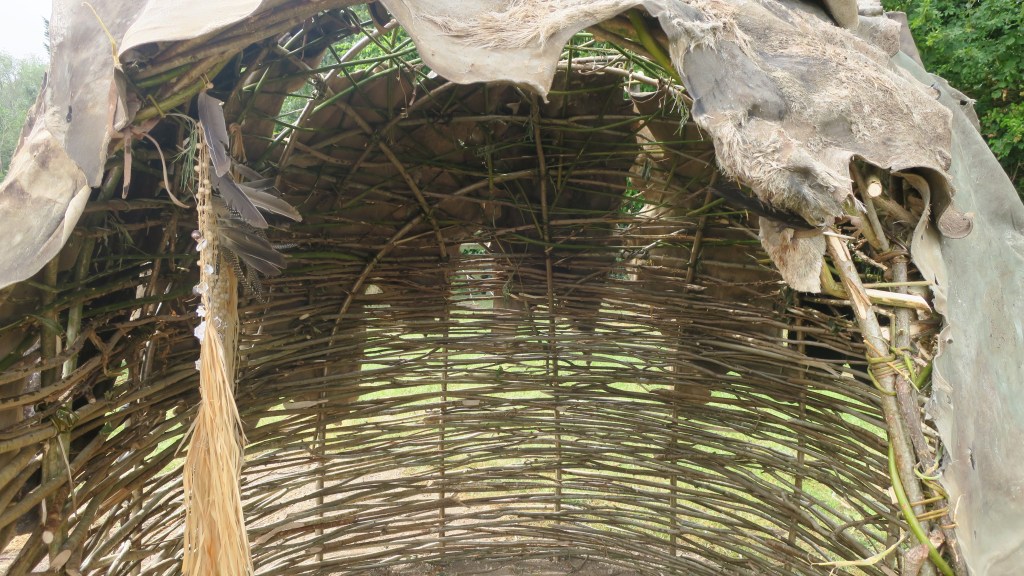
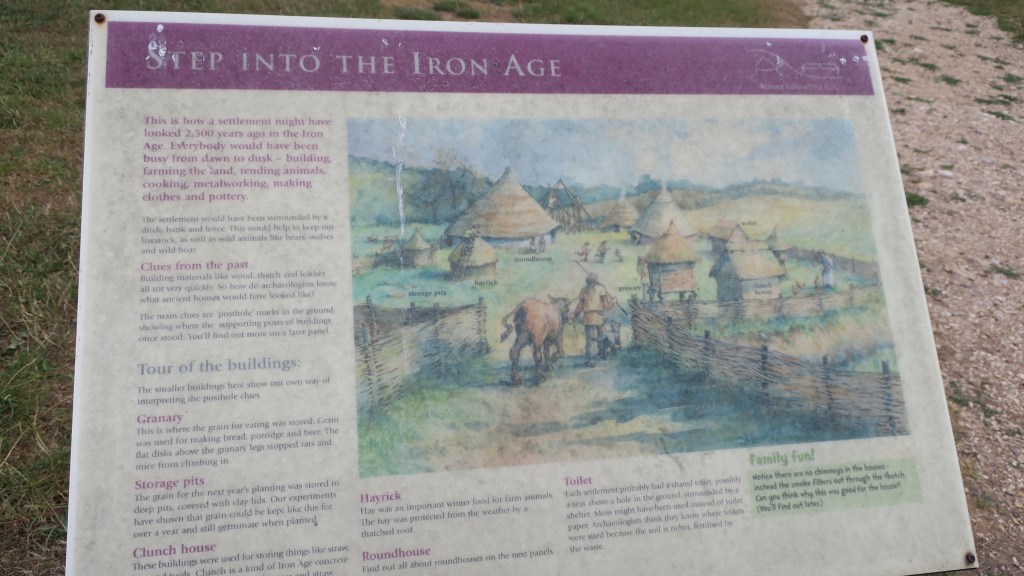
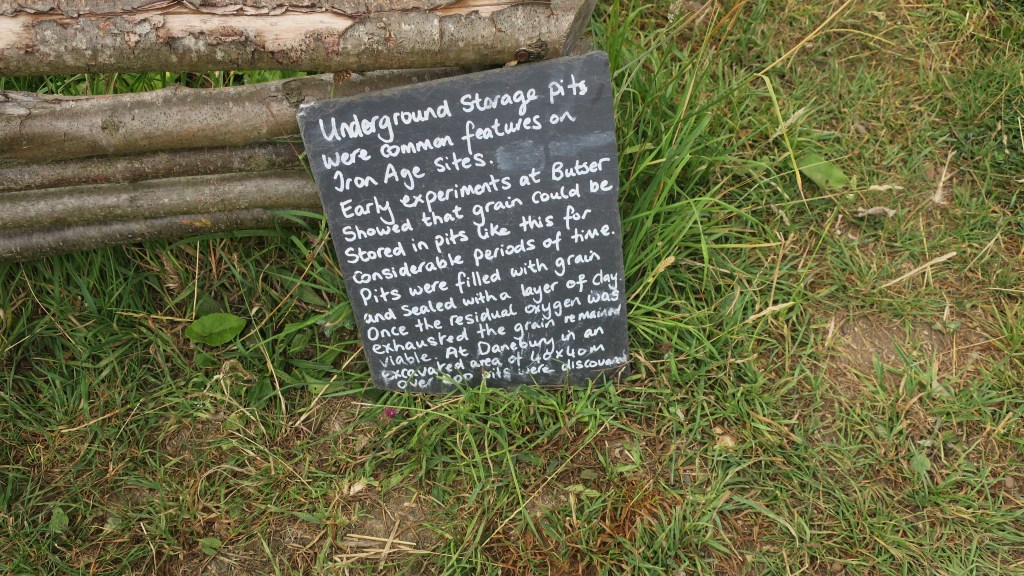
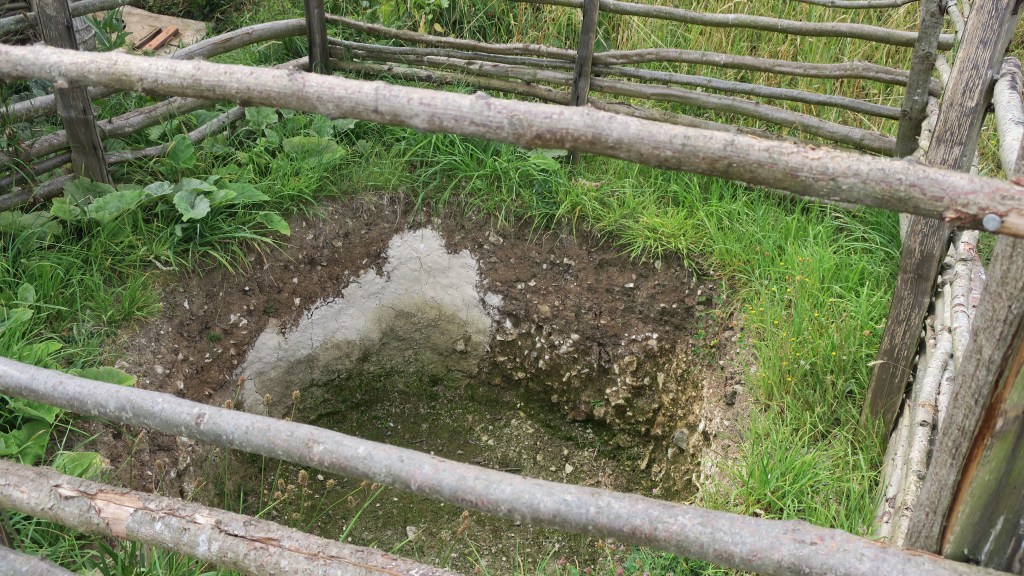
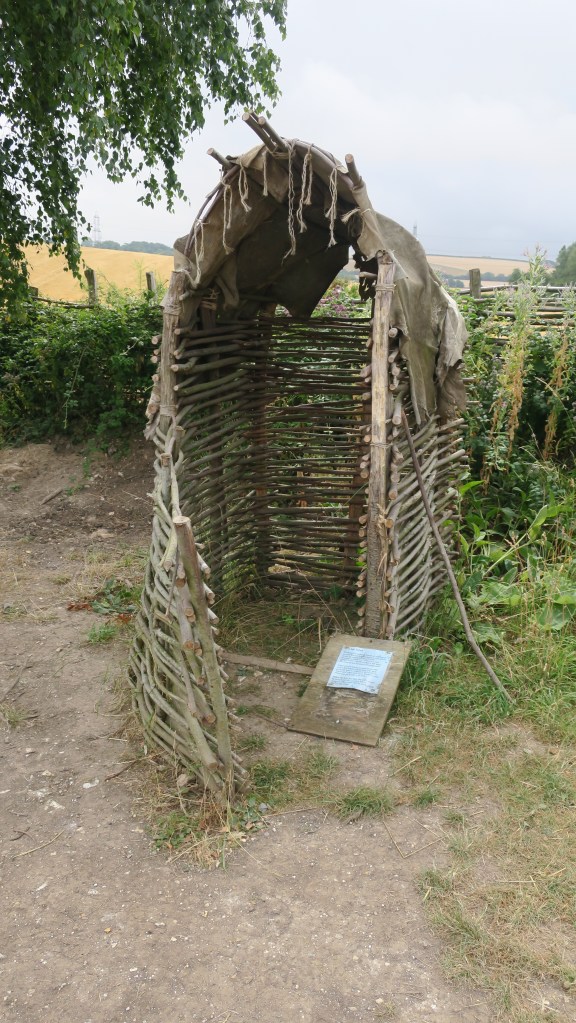
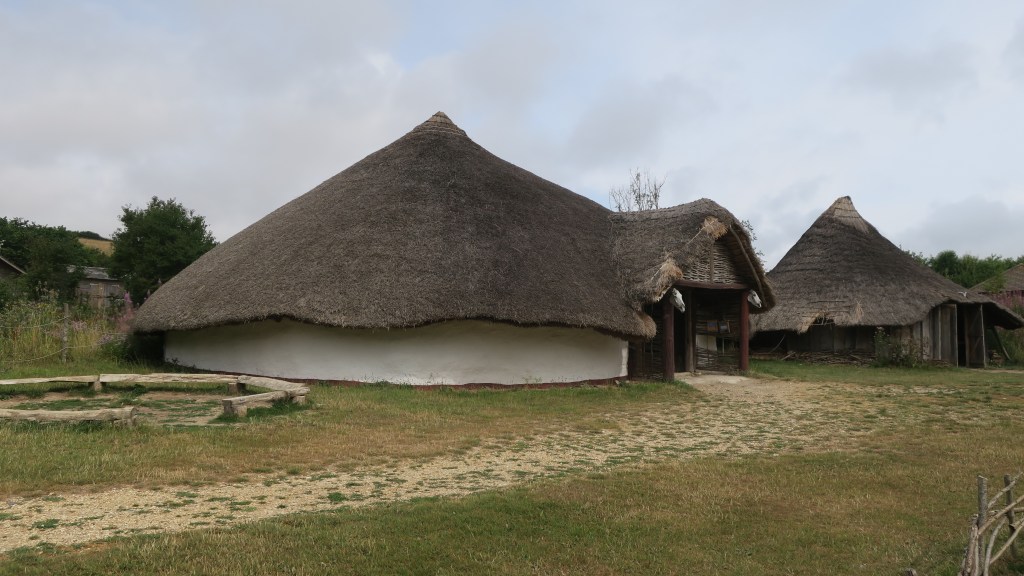
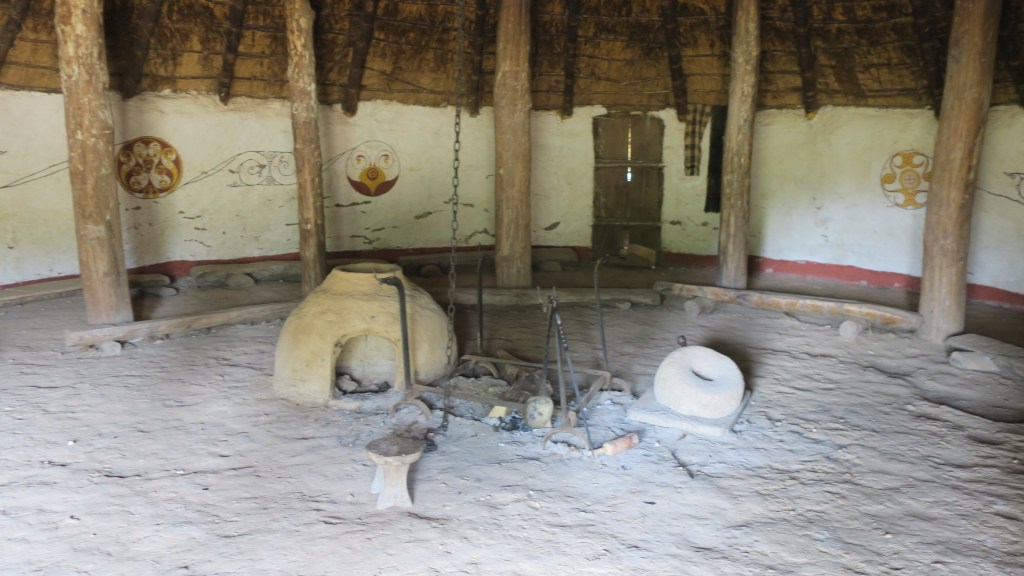
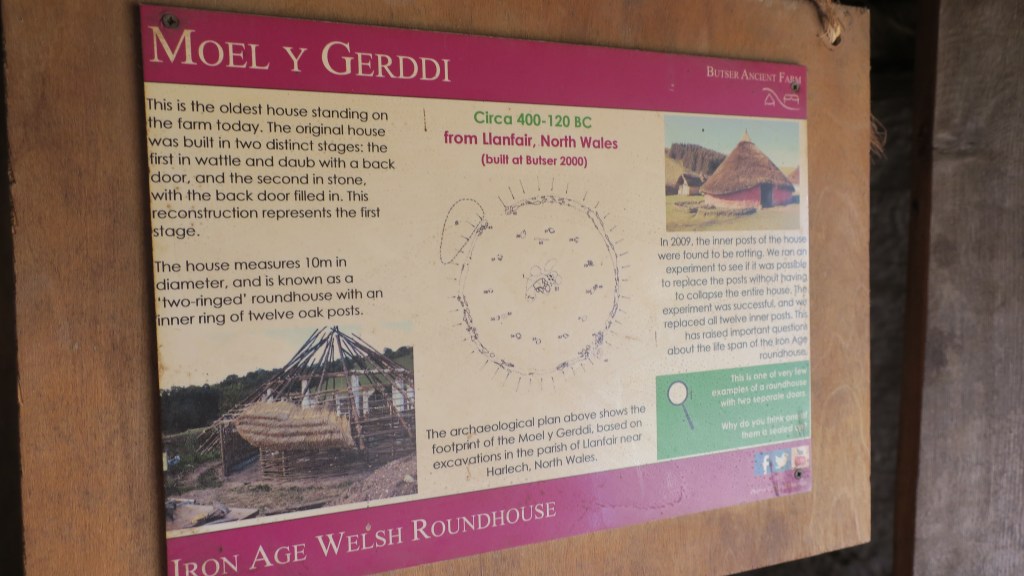
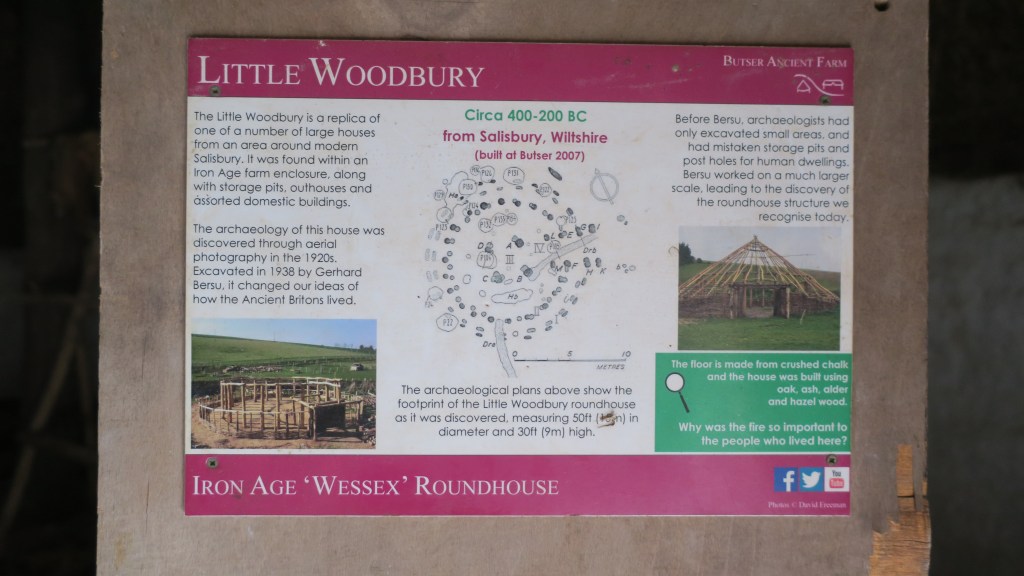
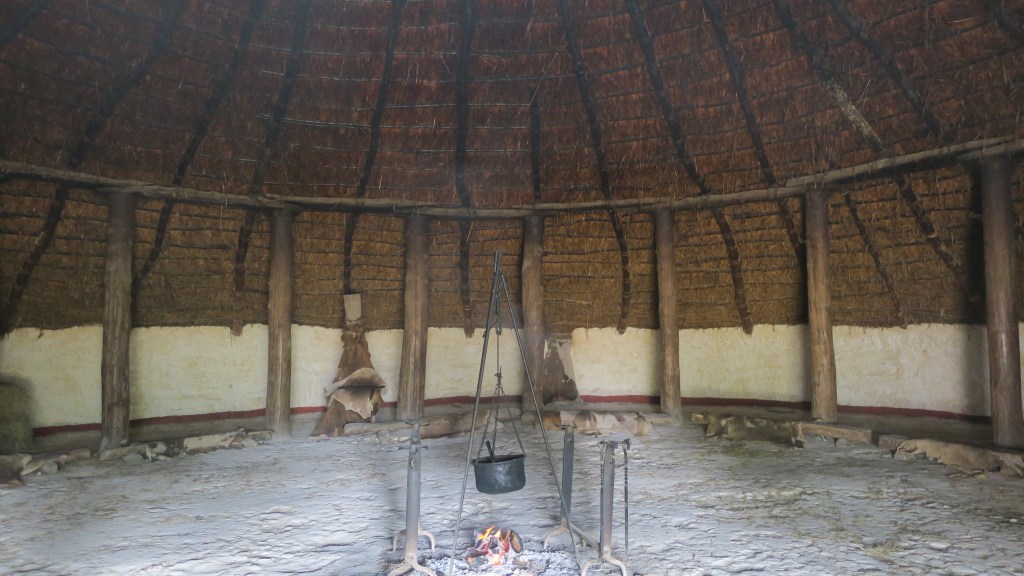
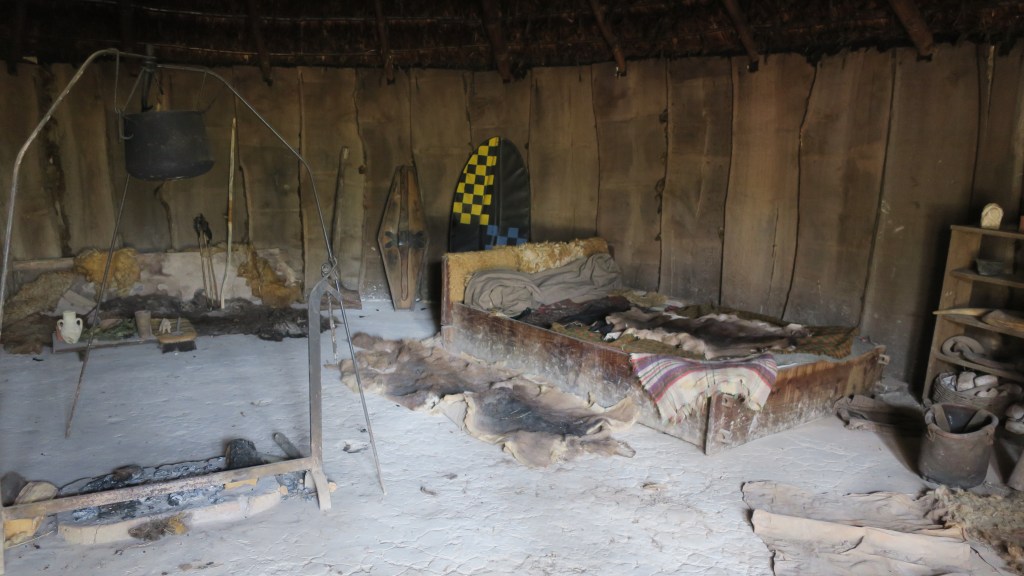
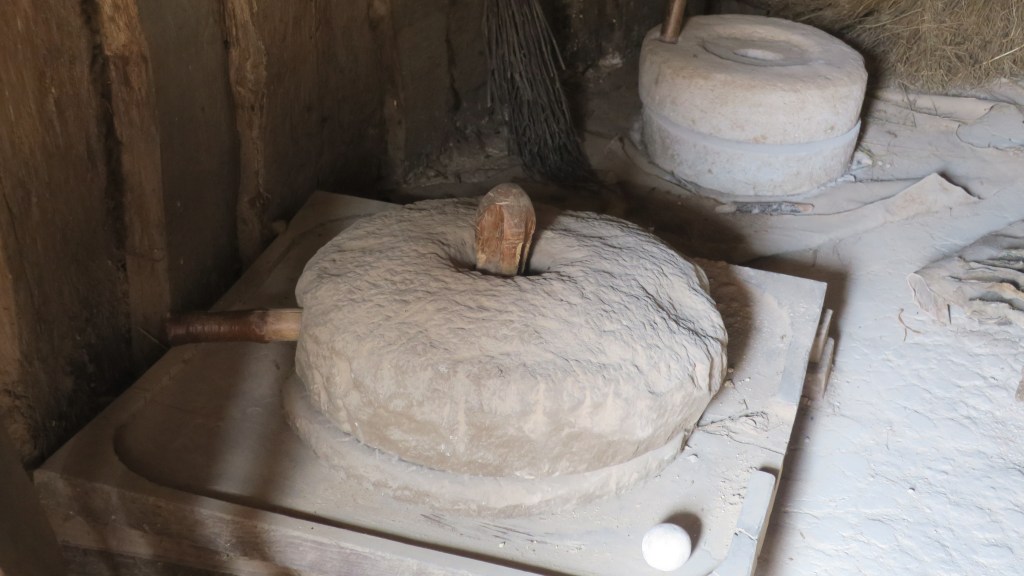
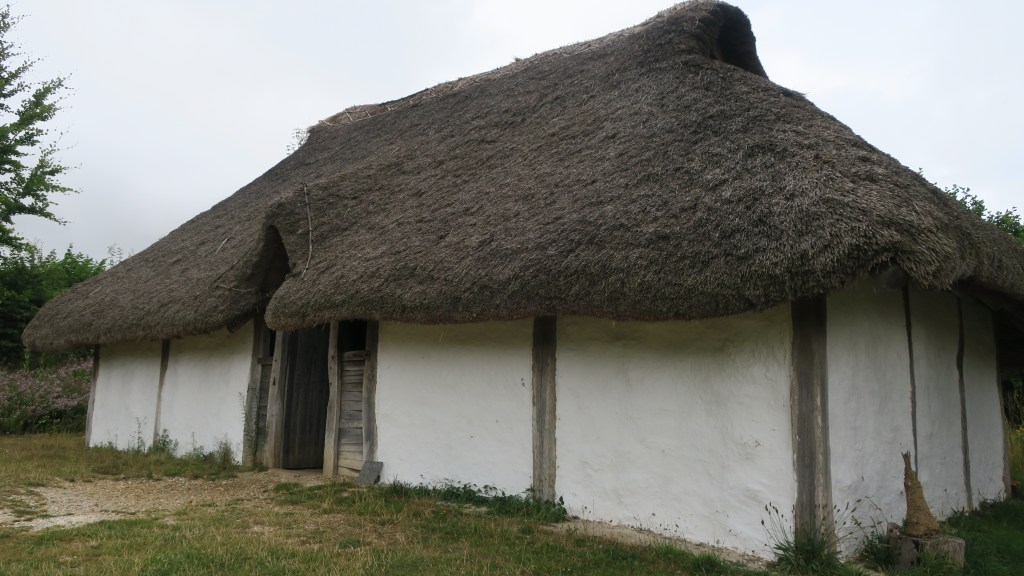
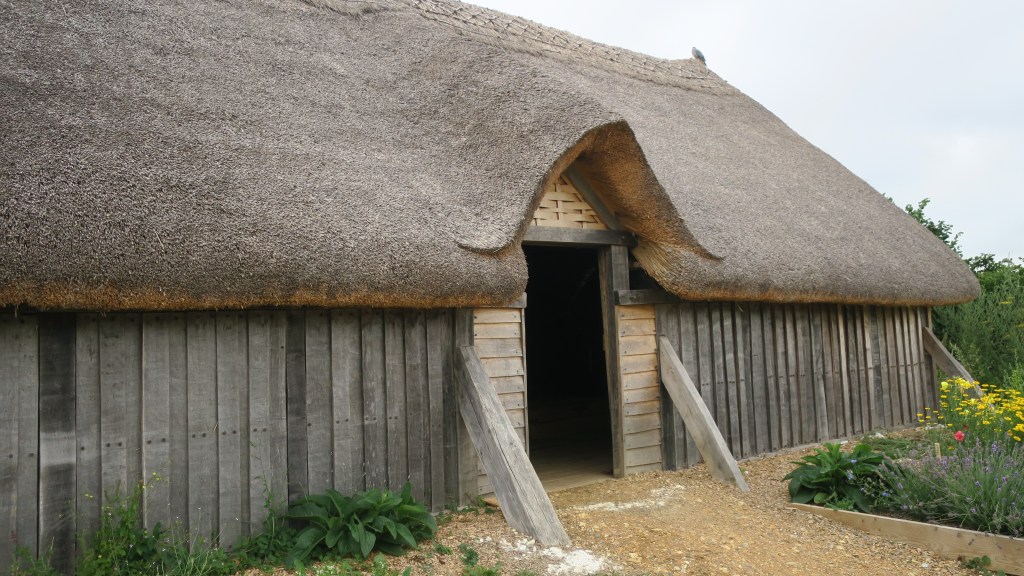
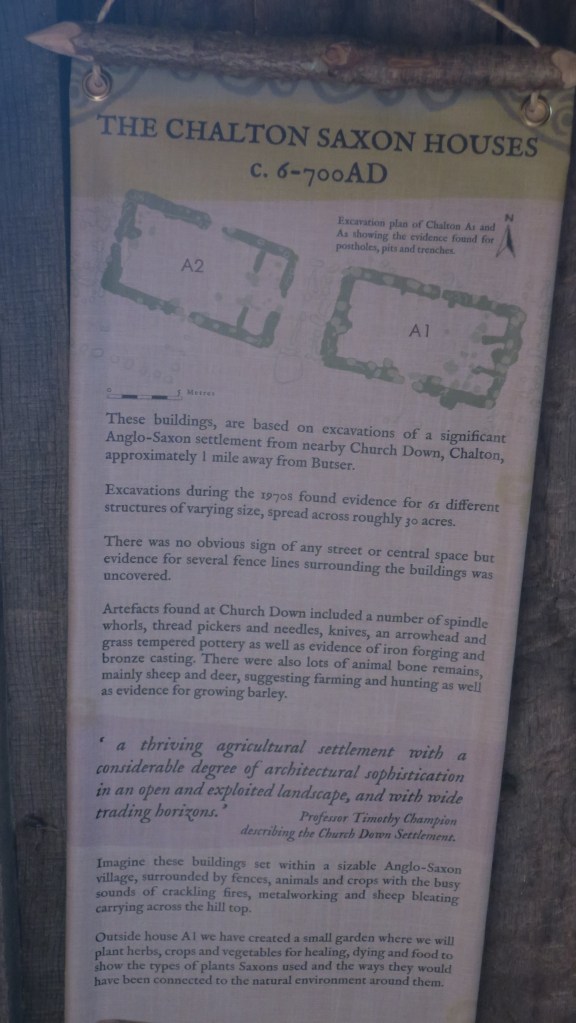
At Butser it is possible to see ten thousand years of history come to life; to see plans of archaeological sites rise up from the ground; to feel, touch, smell and absorb some of what it may have been like in the past is an experience that should not be missed. All of the buildings which have been reconstructed are based on actual archaeological sites that have been discovered through excavation.
These excavations often only reveal the faintest of remains, the postholes and their layout is usually all archaeologists have to go on as to the type of building. The artefacts found and their position in the structure can also provide clues as to the use of the space inside and outside. Understanding all the fragmentary pieces of evidence can often take a leap of faith particularly for the general public. In this case Butser provides a physical and tangible connection to the past for the visitor.
However, it is much more than that, it is a place where those who study the past can test theories in, not only ancient technologies and construction techniques but also in how sites degrade. Our understanding of how archaeological sites are formed depend very much on understanding how a place degrades, becoming the humps and bumps we see in the landscape.
In addition to the buildings, there are also gardens containing plants that would have been in use at a particular time – known from faunal analysis during excavations. Ancient breeds of sheep, goat and pig are also a feature of the farm, giving the visitor a well-rounded experience. At certain times of the year, they also host various events such as flint knapping weekends, re-enactment groups, storytelling, solstice celebrations and more.
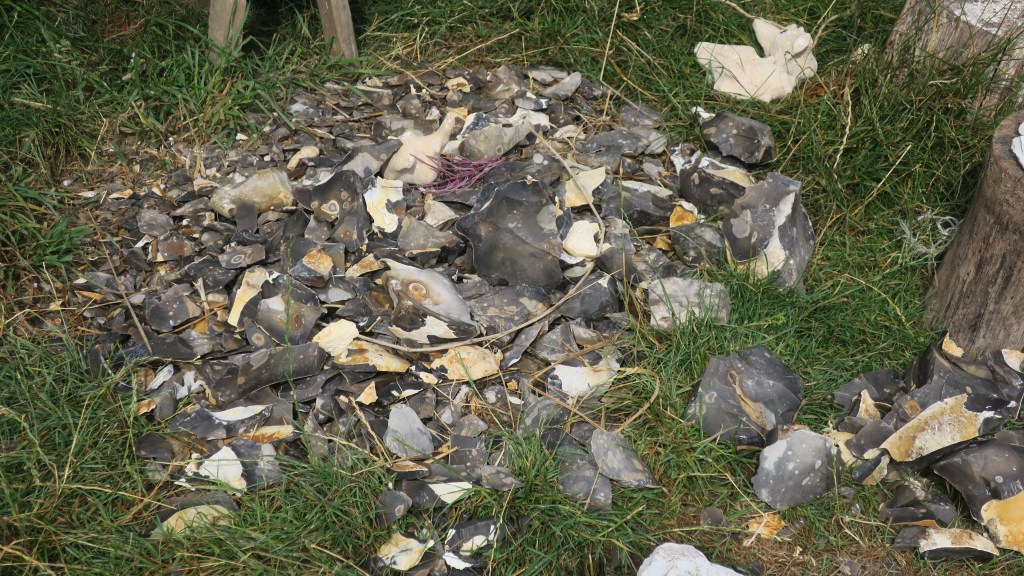
The following are few photos from my visit this year…beginning in the very distant past of the Mesolithic and Neolithic.
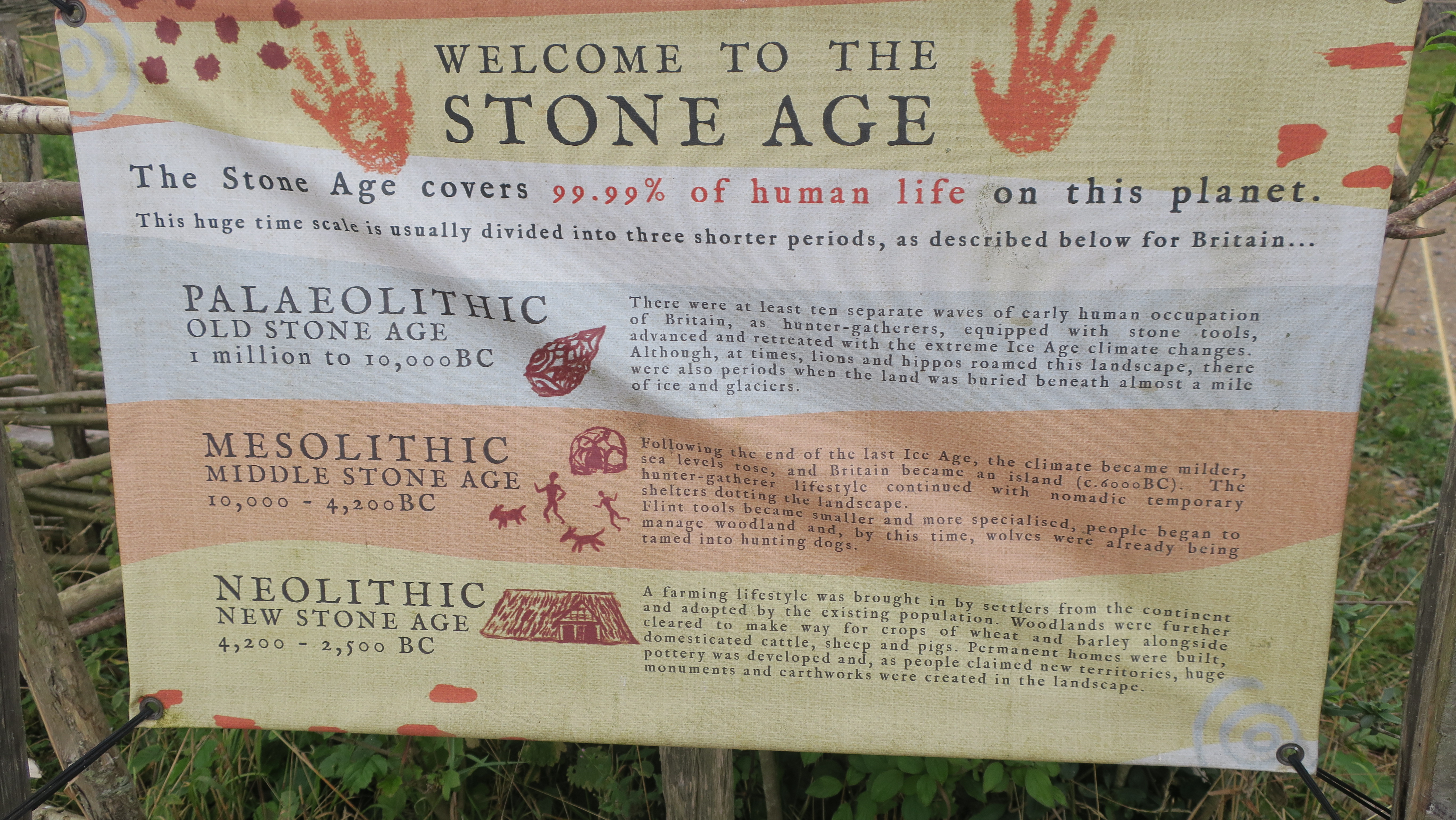


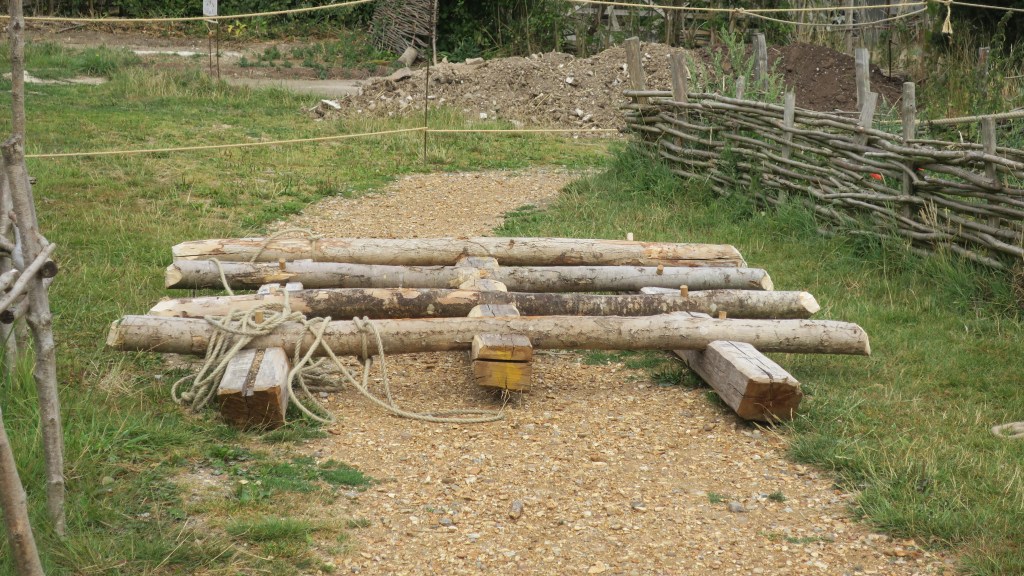
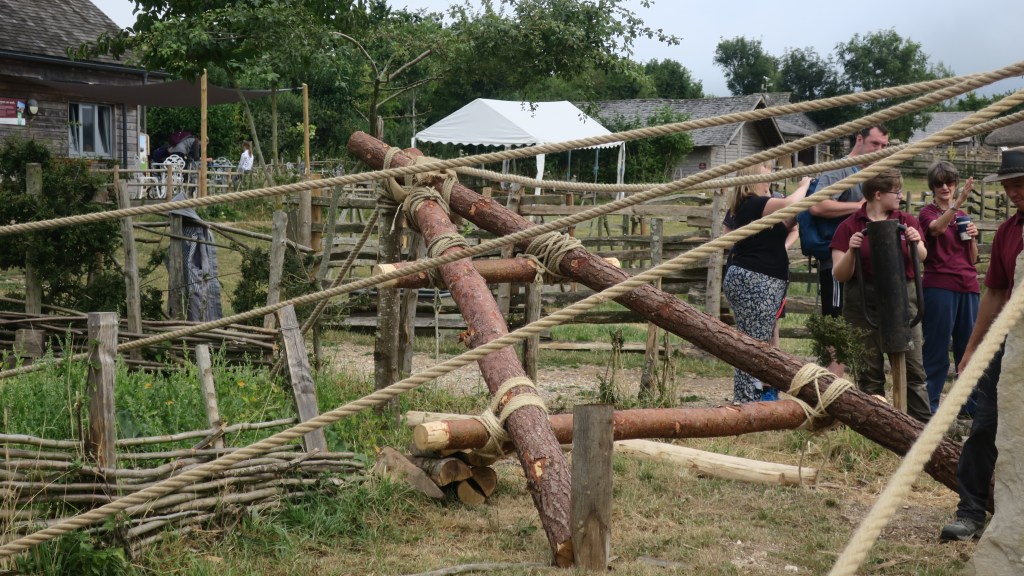
In the days preceding my visit the team at Butser along with volunteers from the HMS Queen Elizabeth had a go at erecting a megalith using only the types of technology available in the Neolithic. They moved and raised a 3.5 ton piece of Purbeck limestone using theorised prehistoric techniques. The stone is roughly the same weight as the smaller bluestones at Stonehenge, which were moved over 140 miles around 5000 years ago.
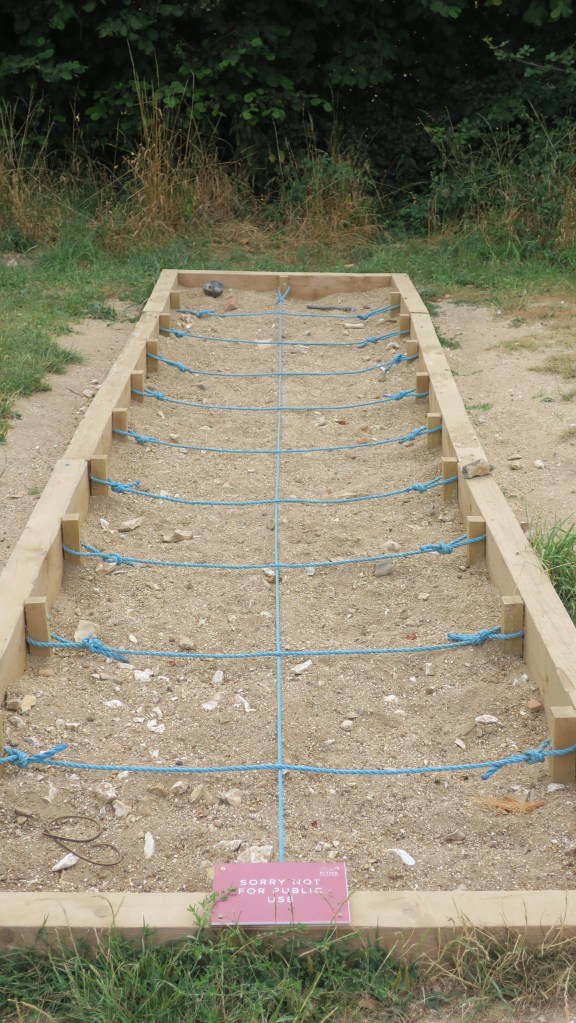
When performing such tasks it is also useful to observe what is left behind, these ephemeral remains are often the hardest to interpret.

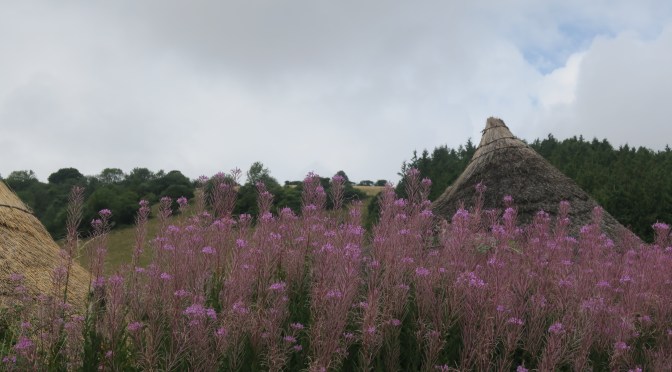
From the Neolithic we carefully saunter into the Bronze Age, the time of the roundhouse and metal working…


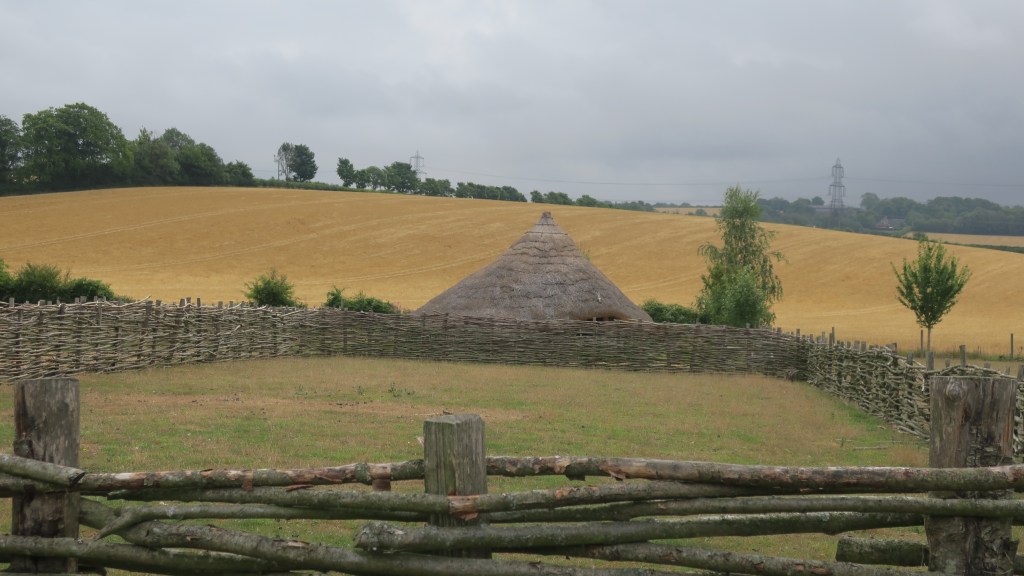
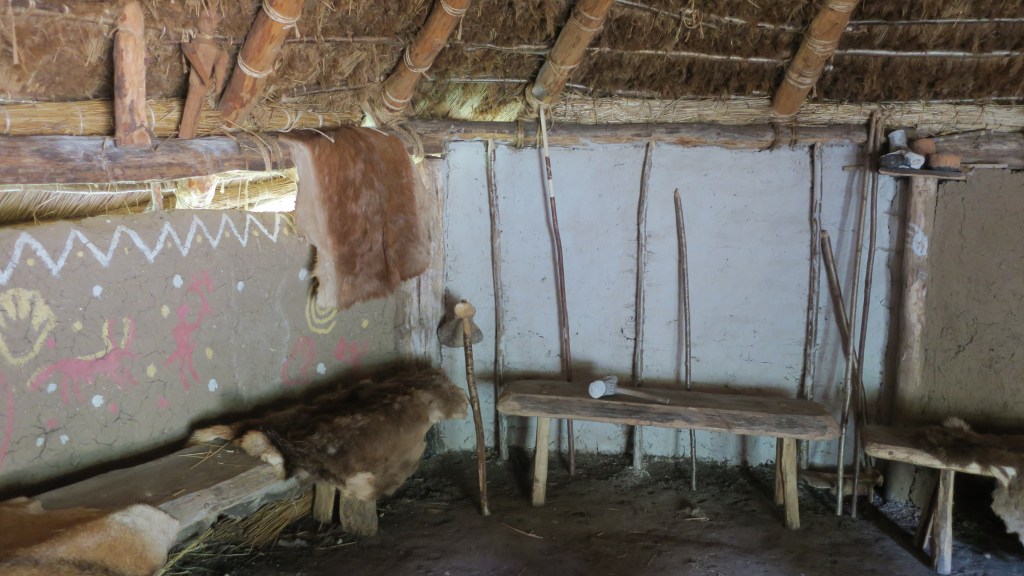
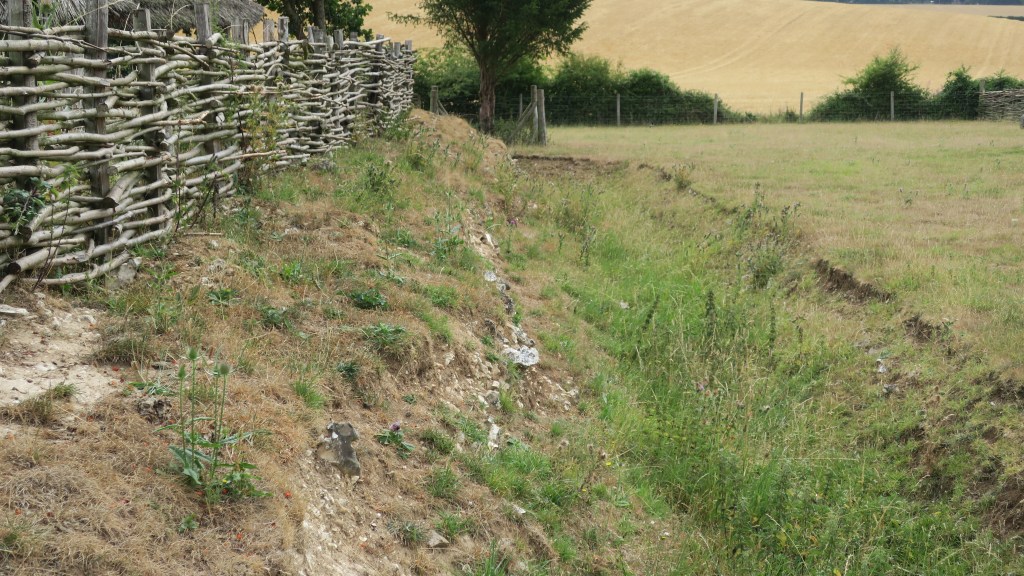
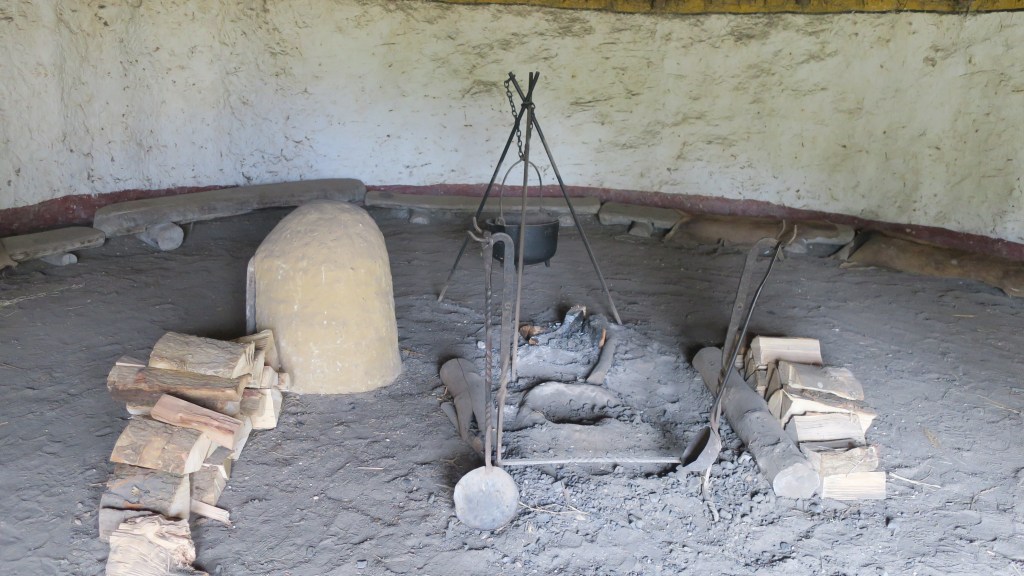
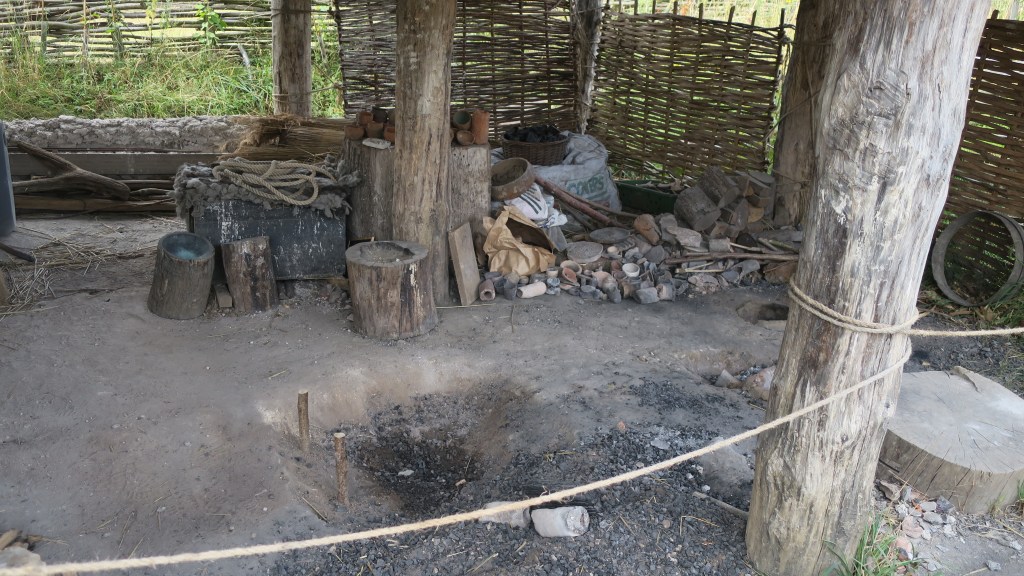
The Iron Age –
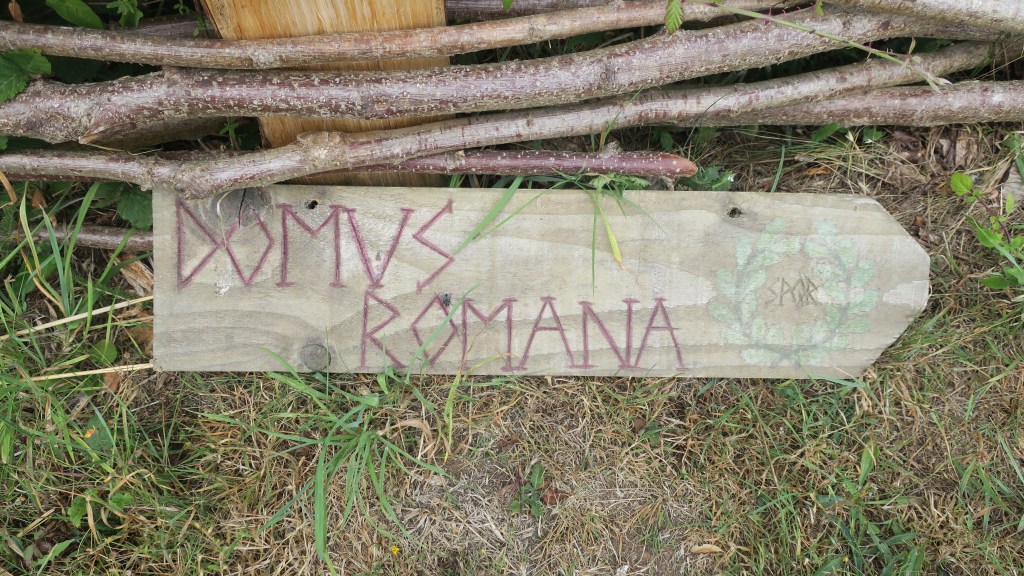
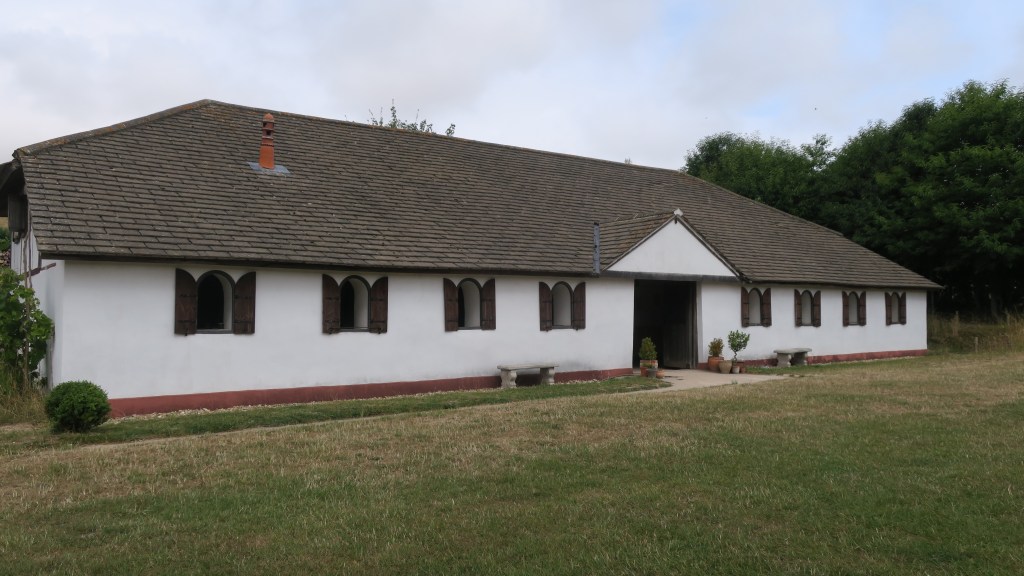
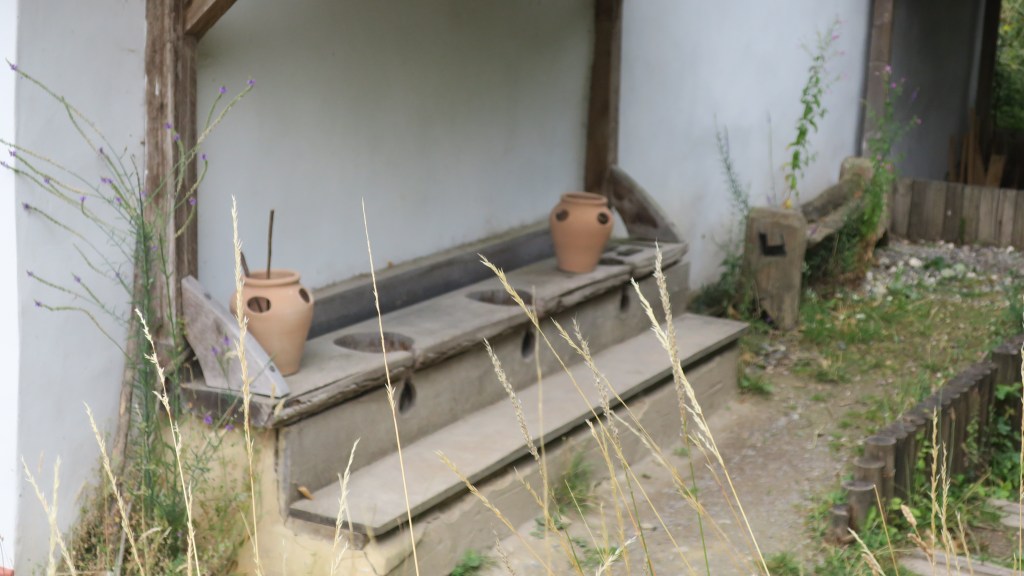
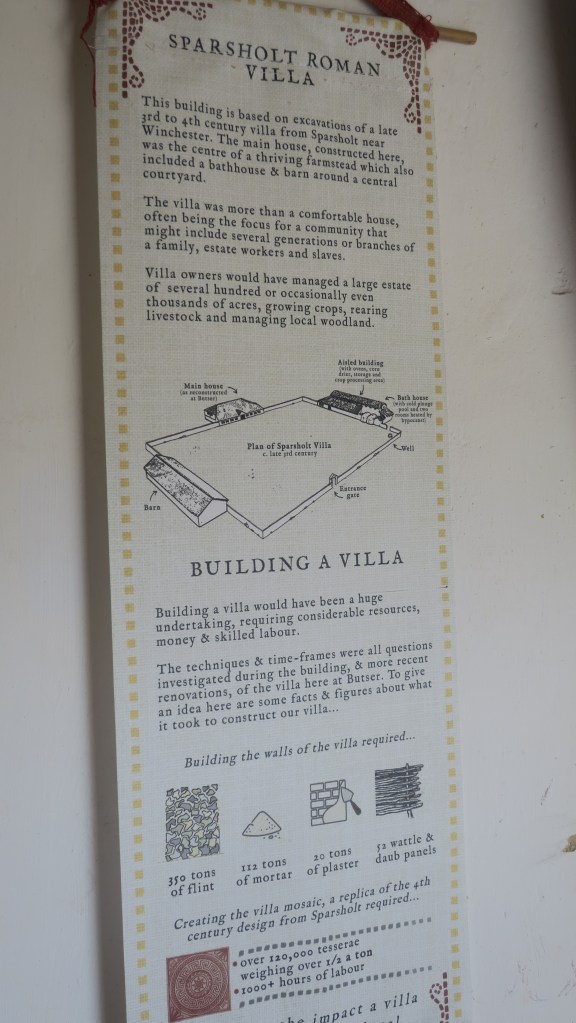
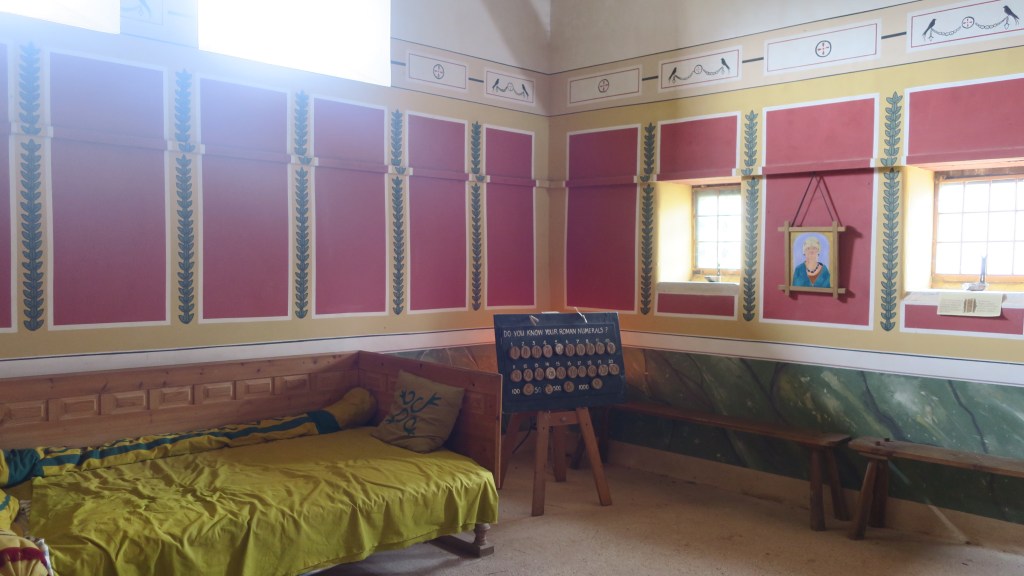
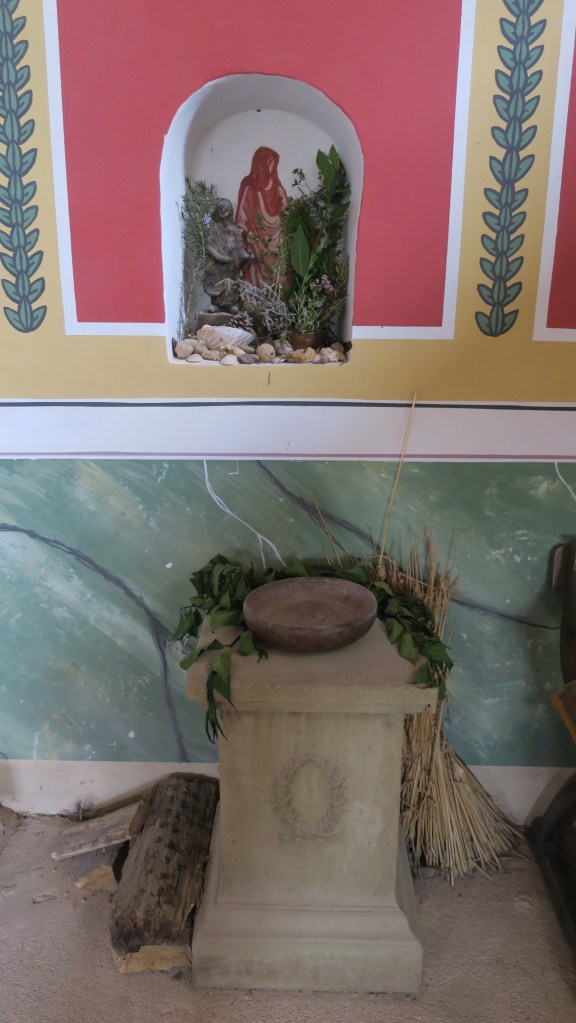
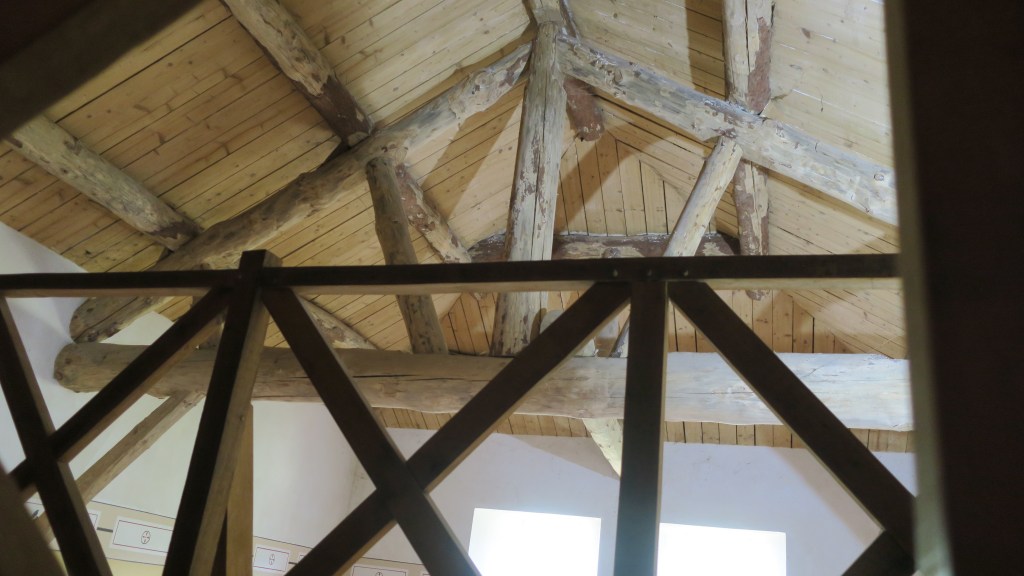
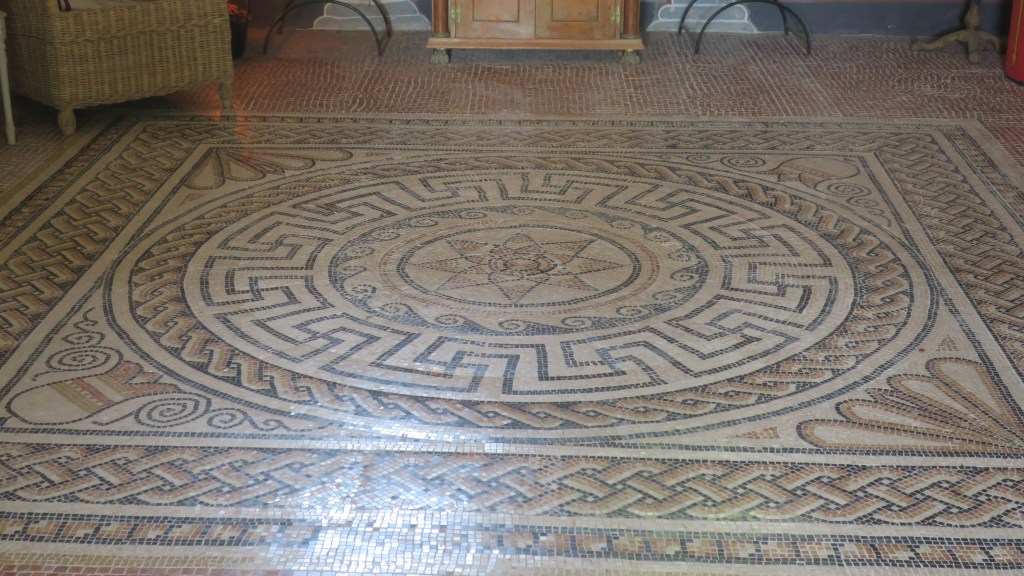
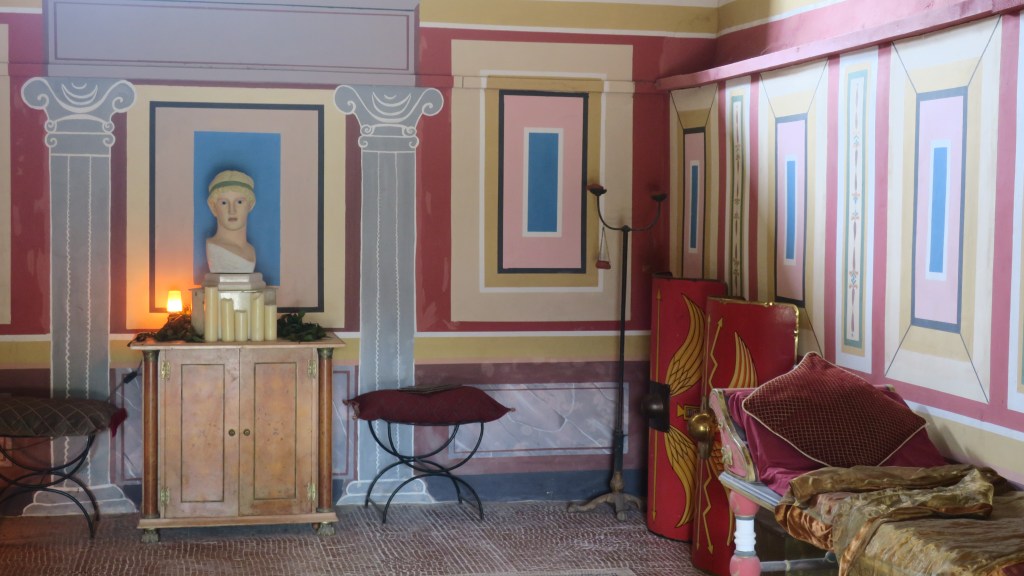
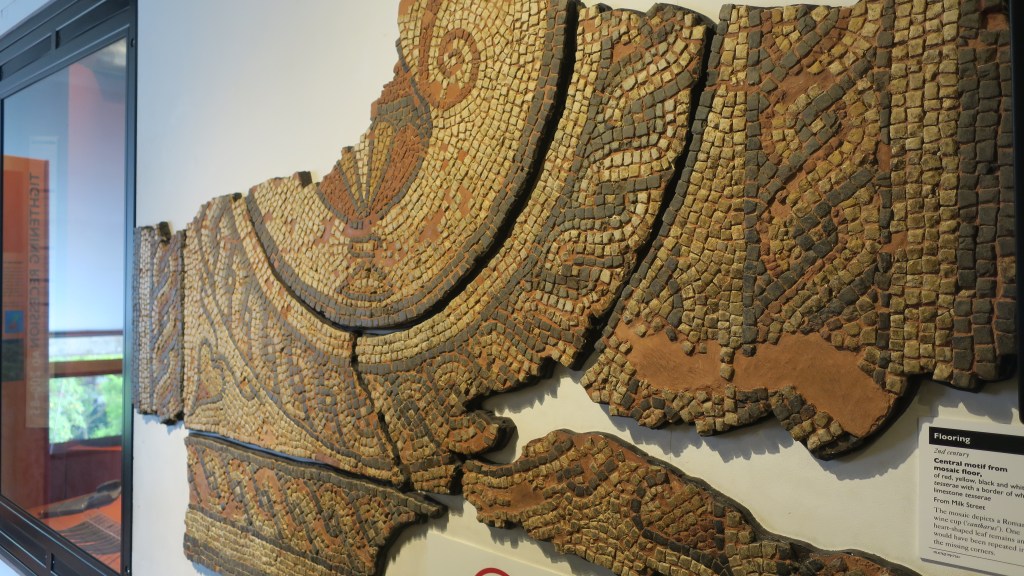
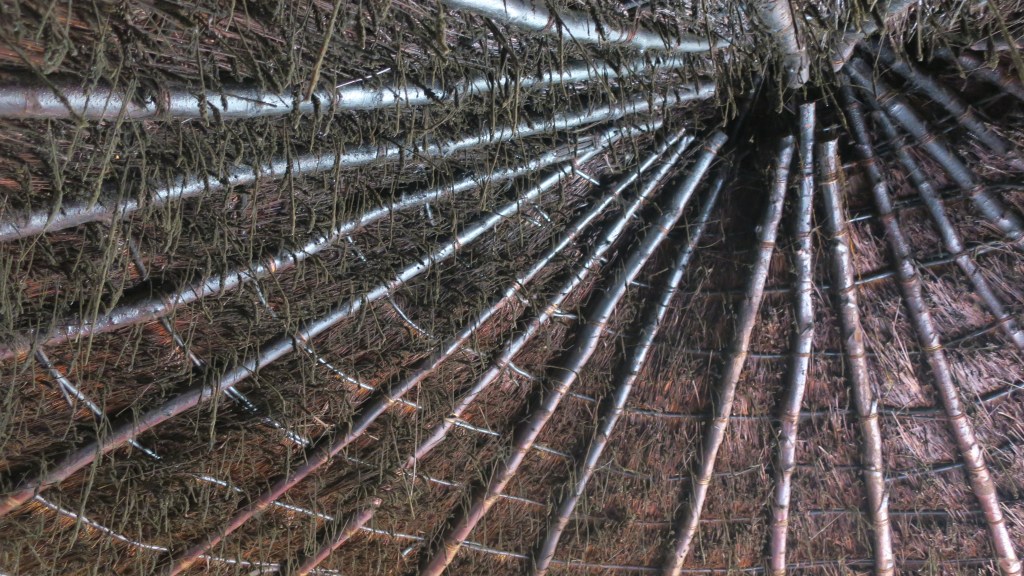
The Roman villa – as with all the structures at Butser the villa was built using only construction techniques known to be used in the Romano-British period. The mosaic is the only known reconstruction in the UK and the aim was to understand some of the finer points in mosaic construction but also to see what happens to it over time.
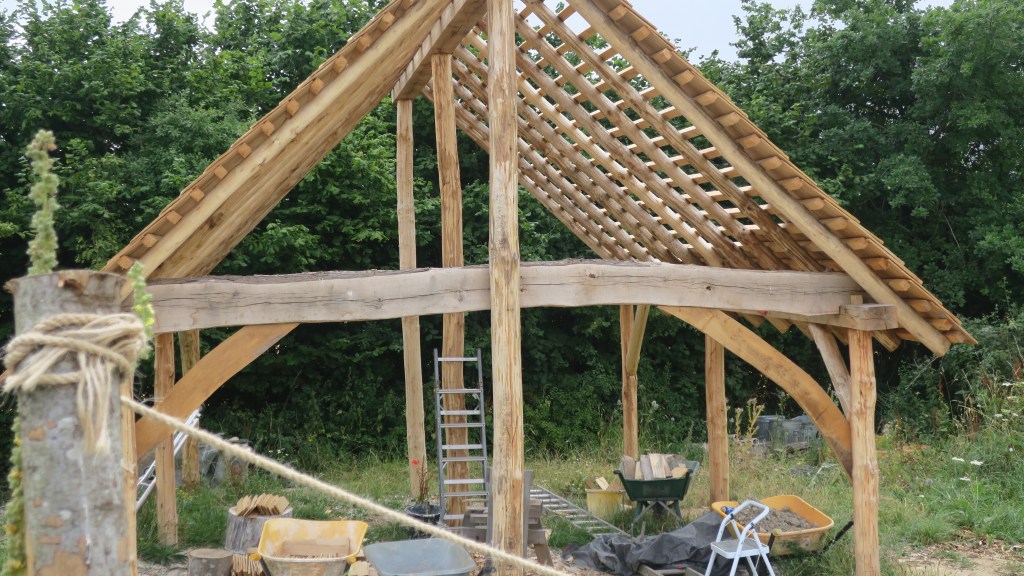
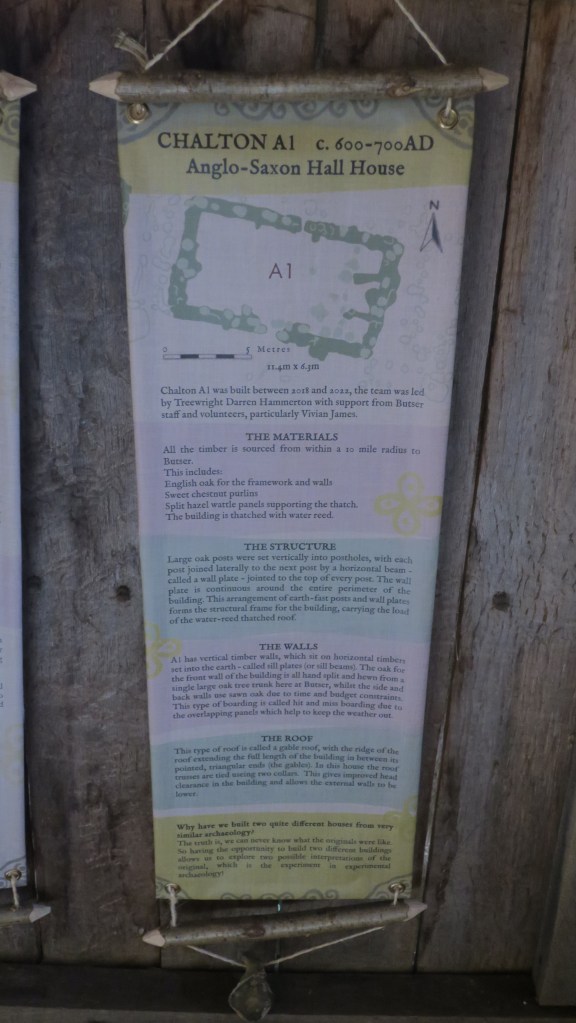
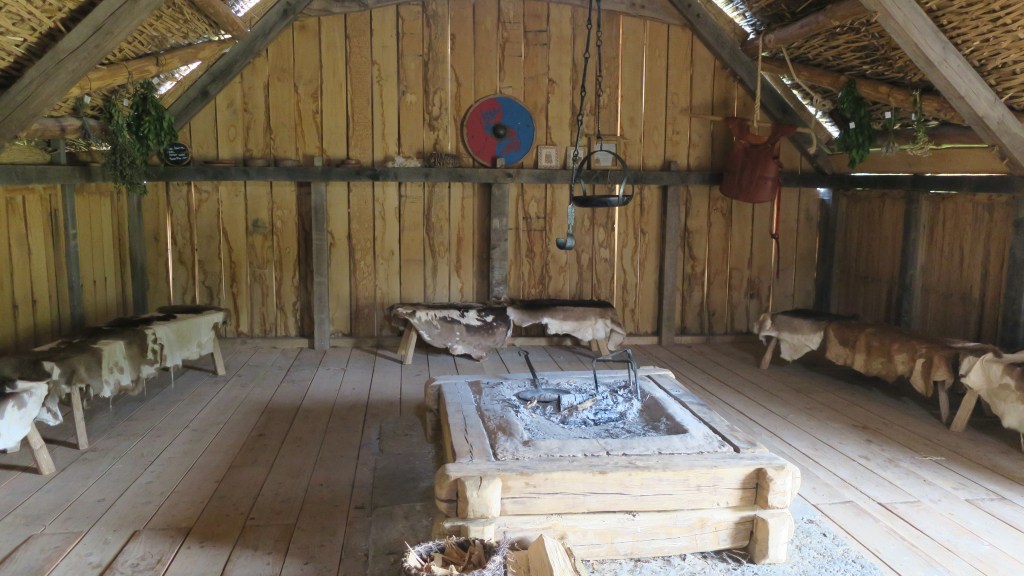
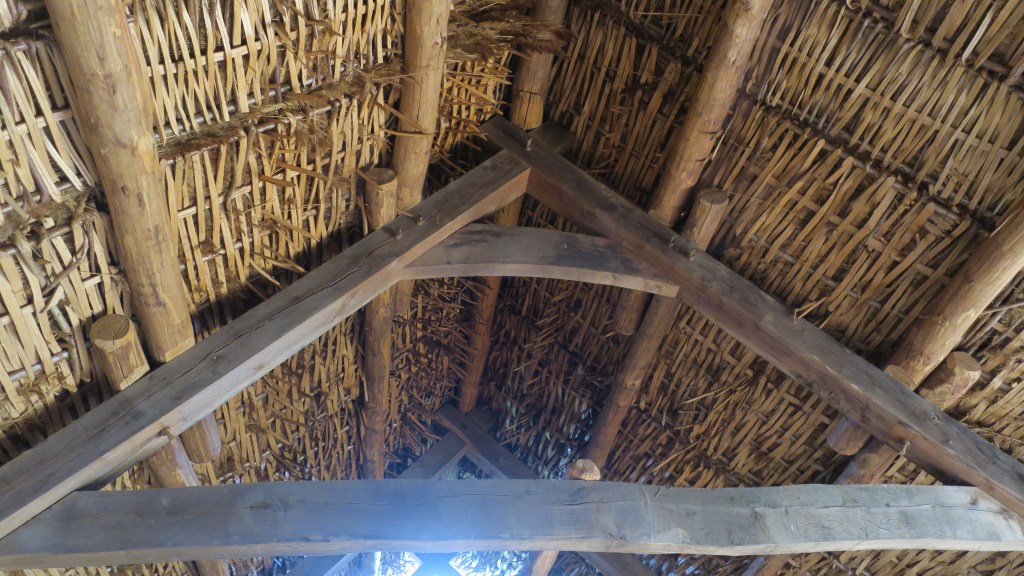
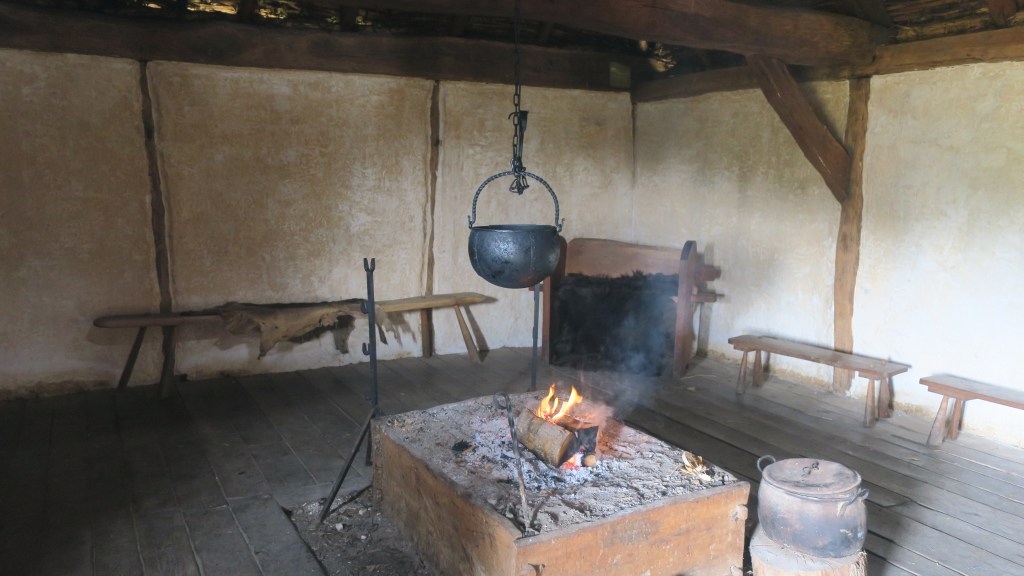
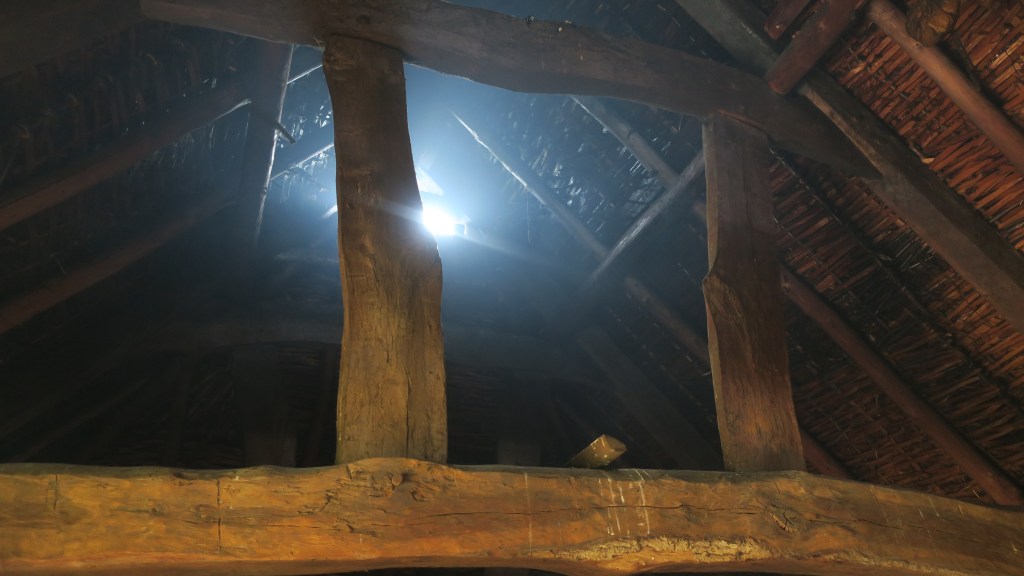
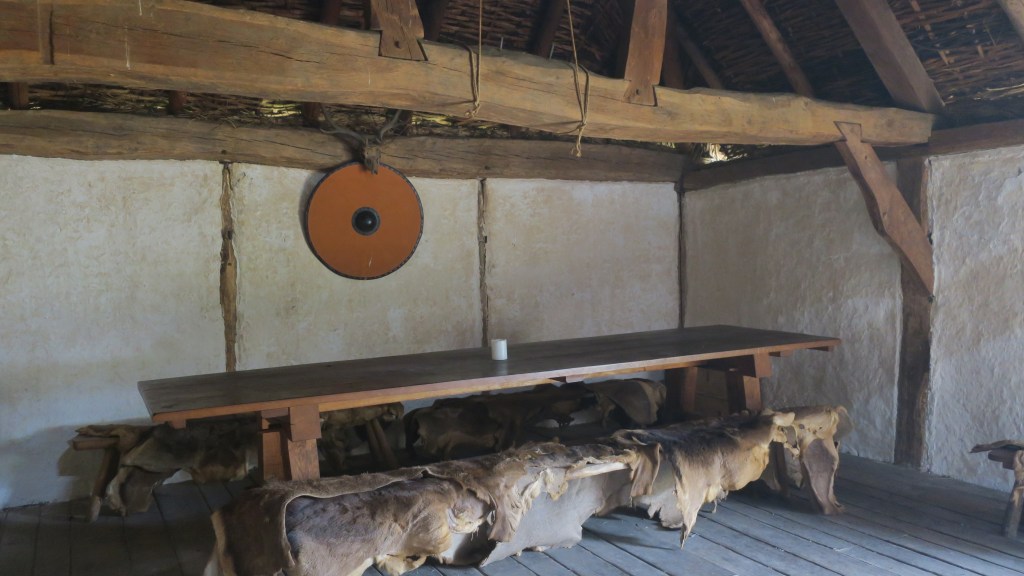
The Anglo-Saxon halls are the most recent addition to the farm and demonstrate two different types of building style.
As mentioned before Butser also engages in research and education, none of the buildings, gardens or spaces are static museum pieces, they are constantly evolving – adding to our knowledge. Most years the farm is well attended by schools wide and far who get a hands on perspective of life in the past, archaeology and history.
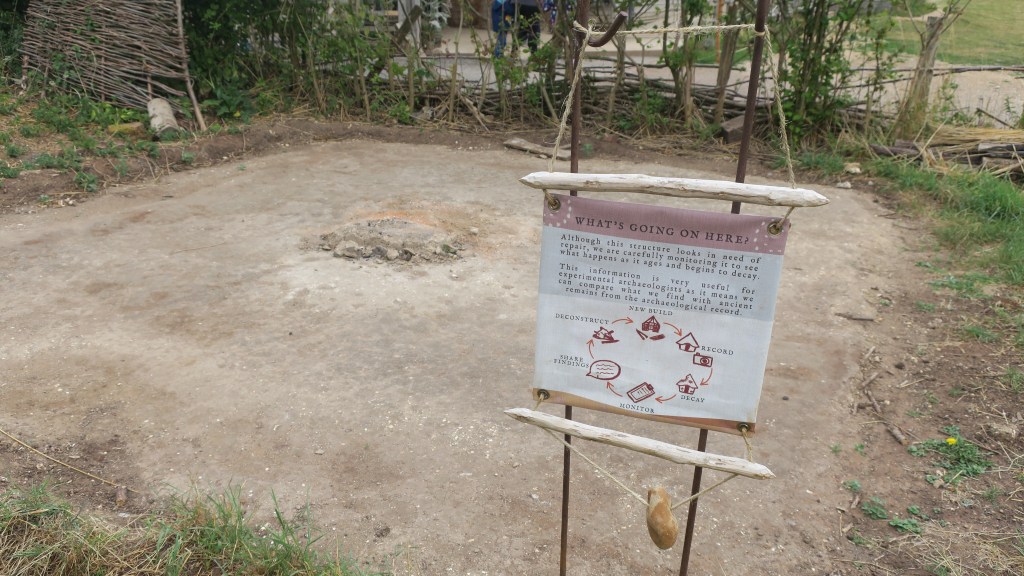
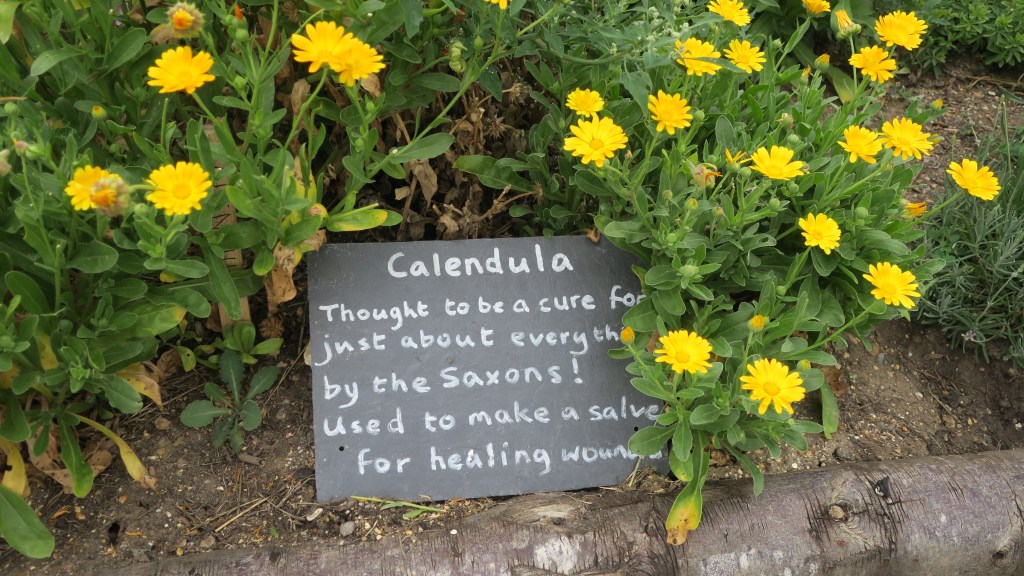
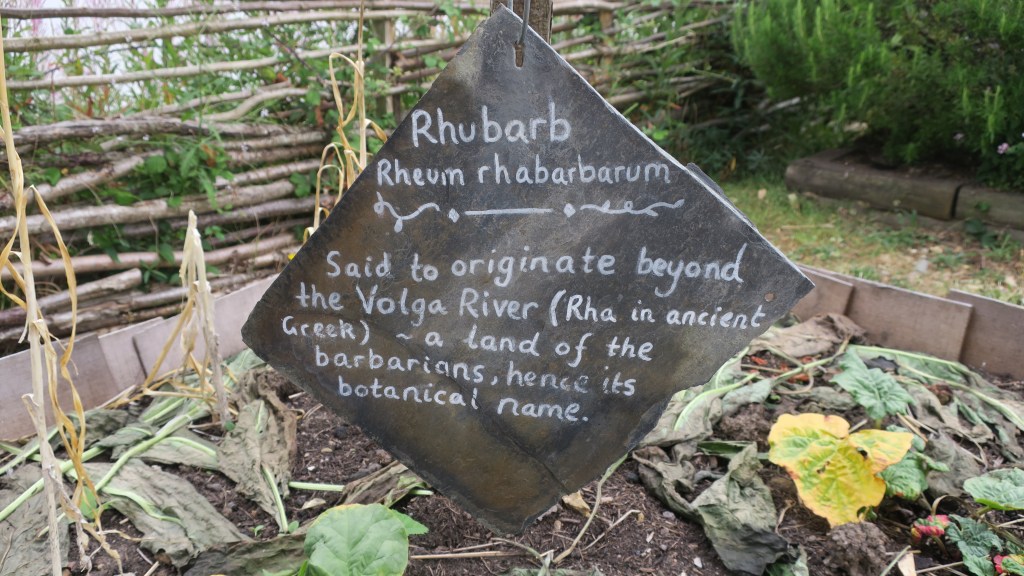

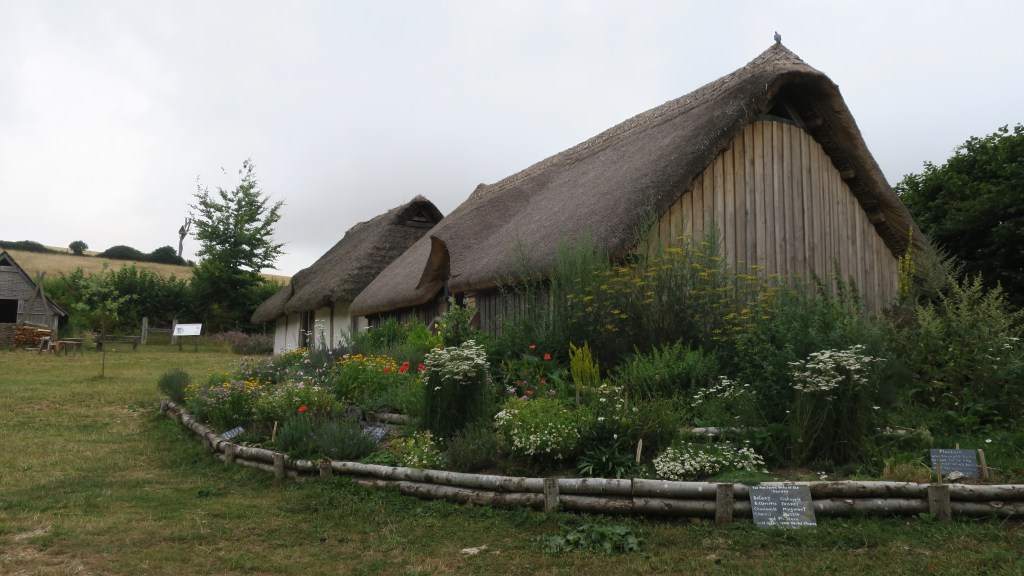
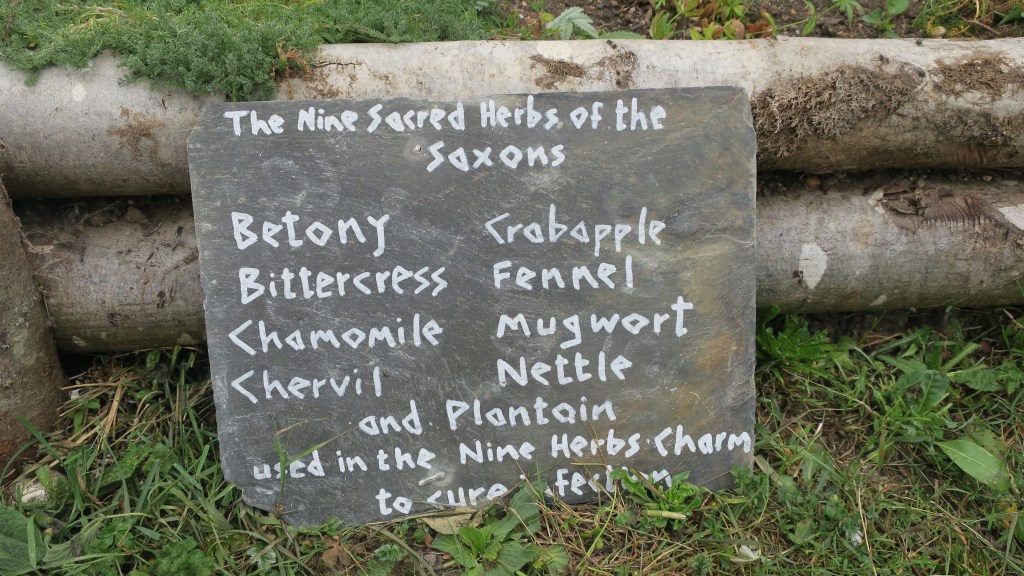
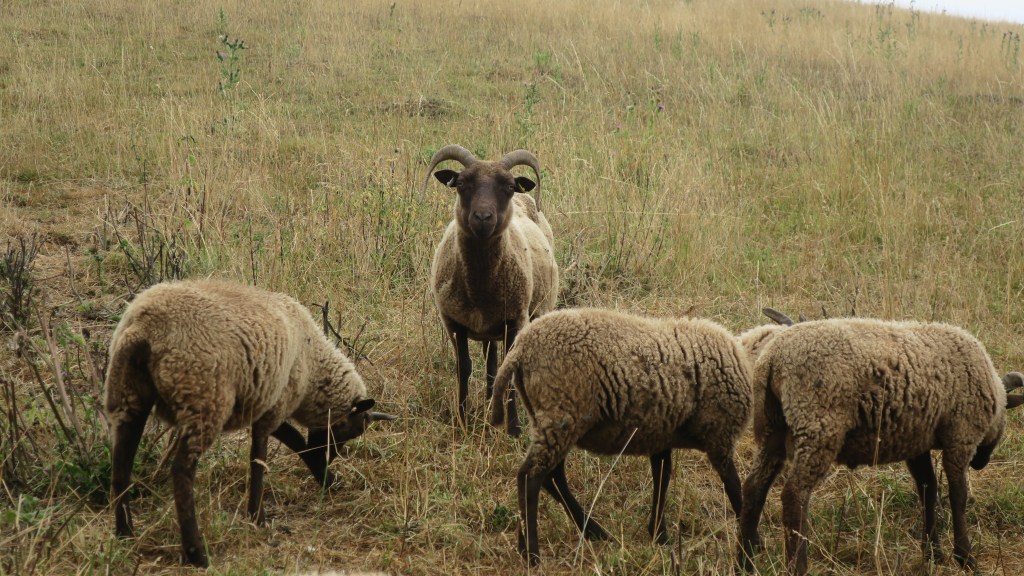
The gardens and the animals are an equally fascinating aspect to the farm, endeavoring to give a much more rounded picture of the past.
For more information I would highly recommend their website (and archive) – Butser Ancient Farm
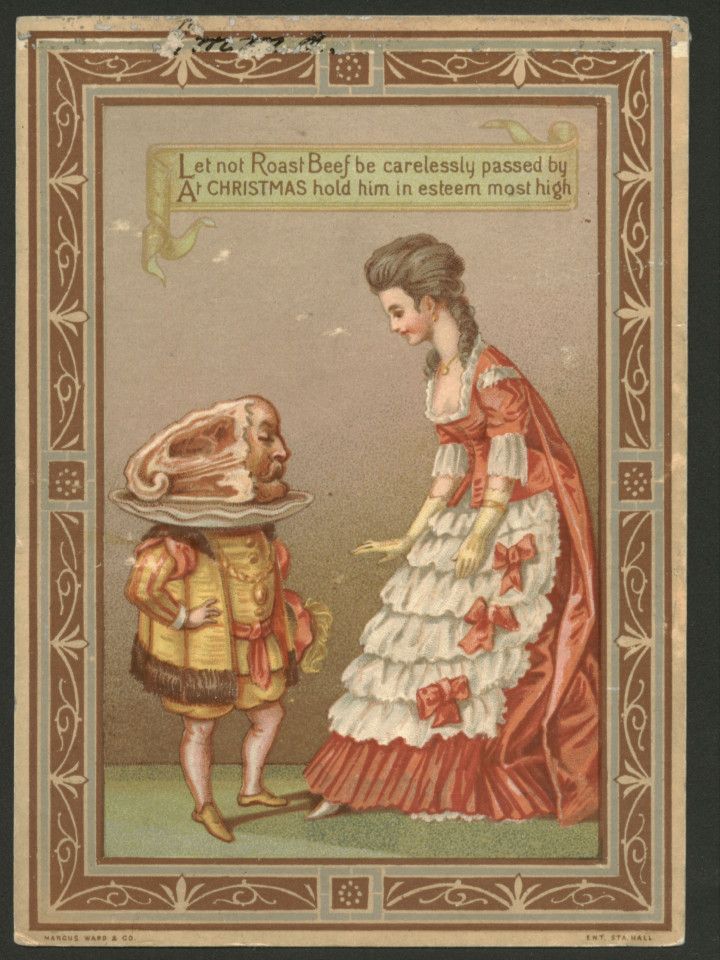
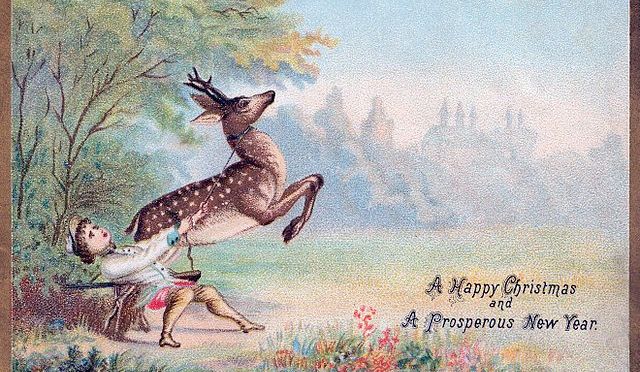
In today’s world where the internet rules, the desire to send and receive Christmas cards is fast losing favour. Instead people send memes, GIFs and quick texts to celebrate the event. However, a study of old Christmas cards can be informative of times past. The earliest cards rarely featured winter or religious themes, often preferring scenes of fairies, flowers and such as a reminder that Spring was on the way (like many midwinter traditions). War time cards had a strong patriotic theme, whilst later cards gave emphasis to the religious aspects and others encourage values that were felt to be important to a well functioning society – the first commercial card produced showed a scene of three generations of a family toasting the recipient with scenes of charity to one side. But perhaps for me personally it is the quirky cards from the Victorian era which often has me wondering what the card designers were thinking.
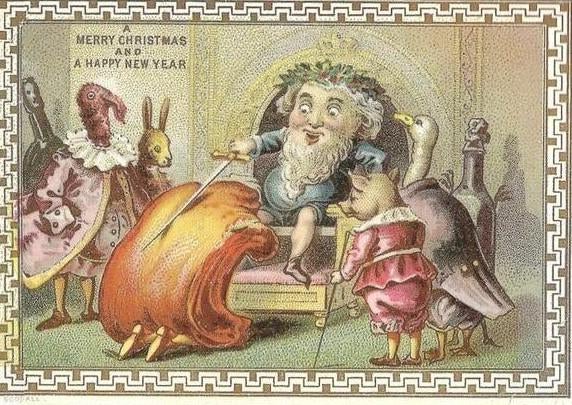
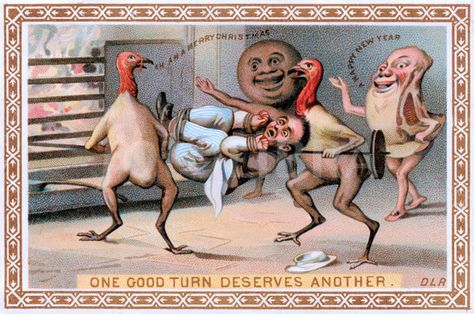
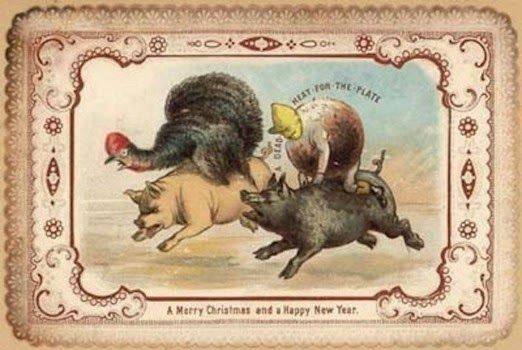
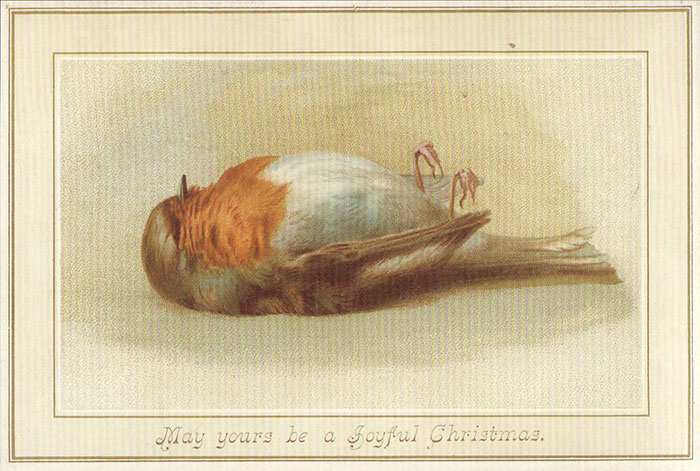
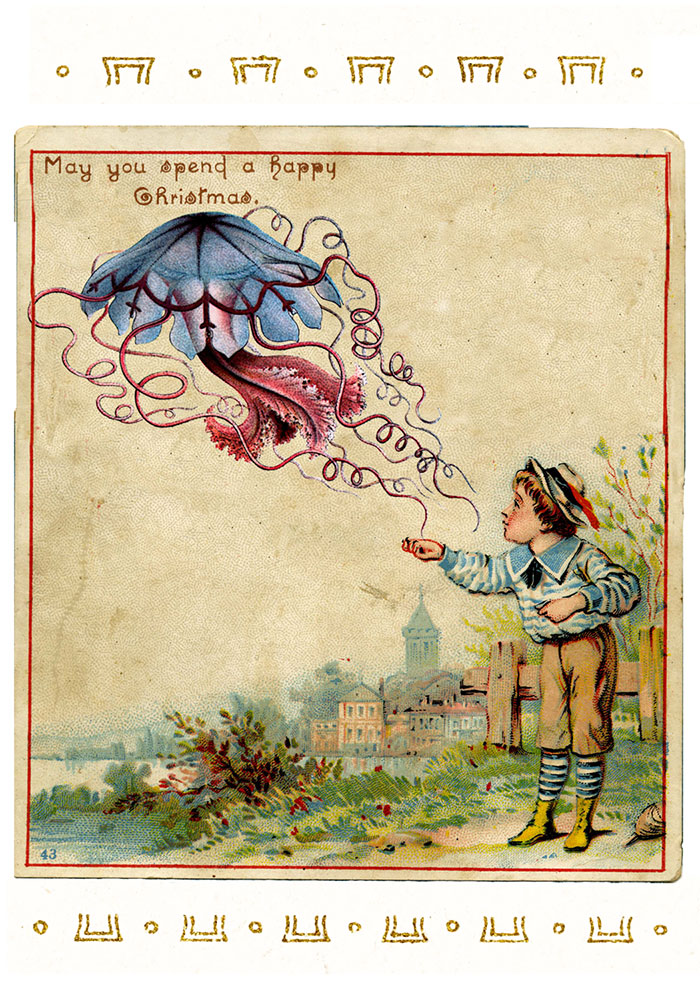
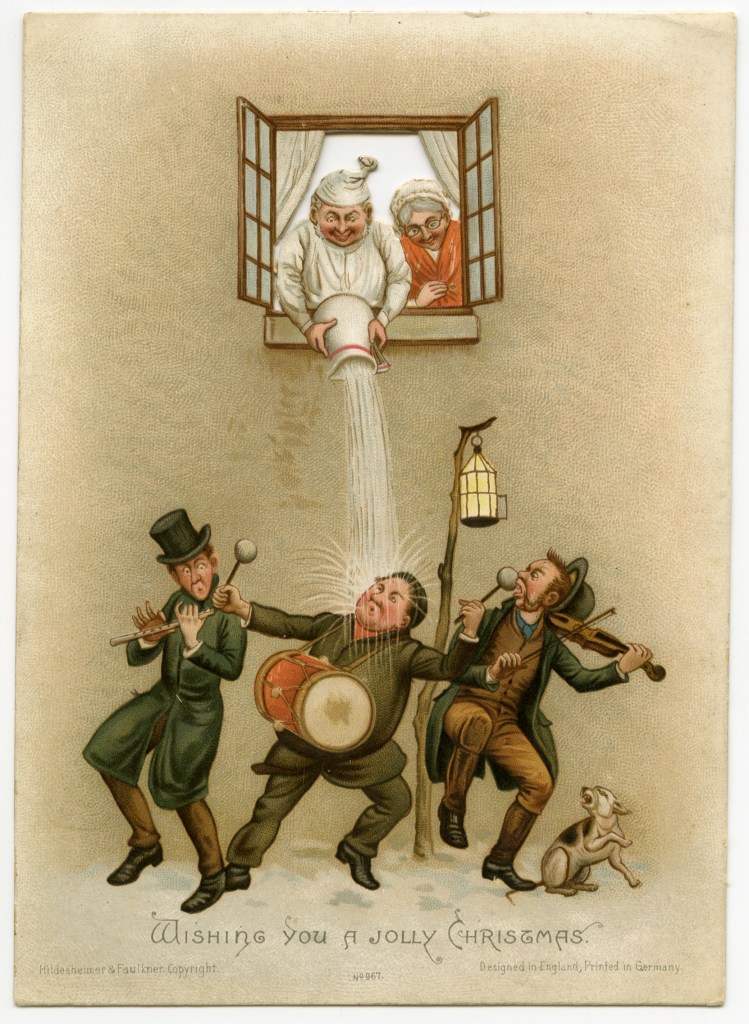
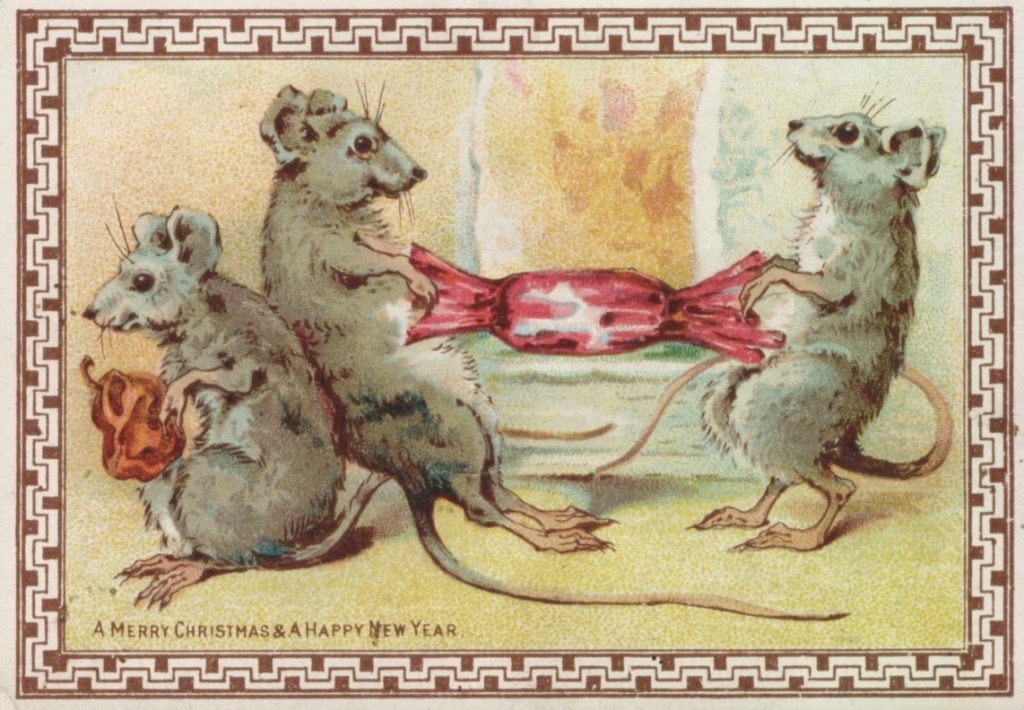
The following is less a history of the Christmas card then a gallery of some of the strange, bizarre and downright weird designs found on Christmas cards.
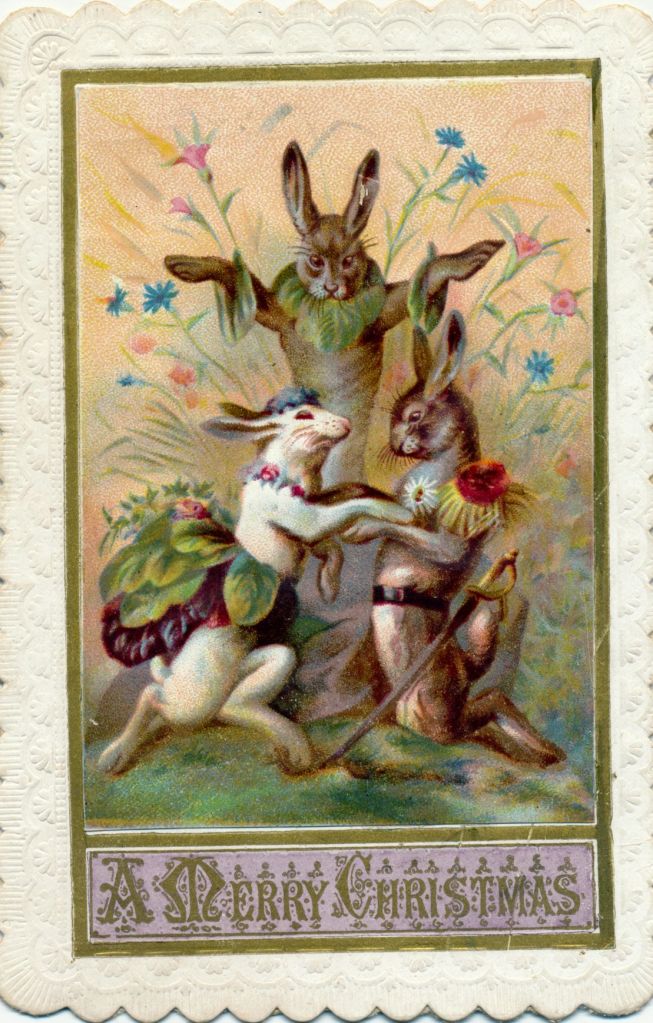
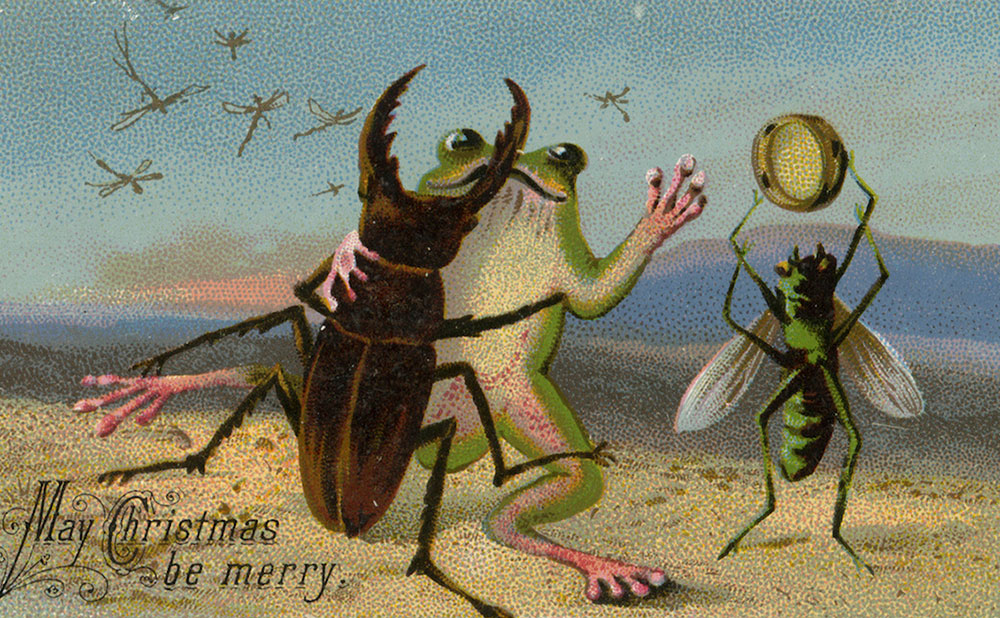
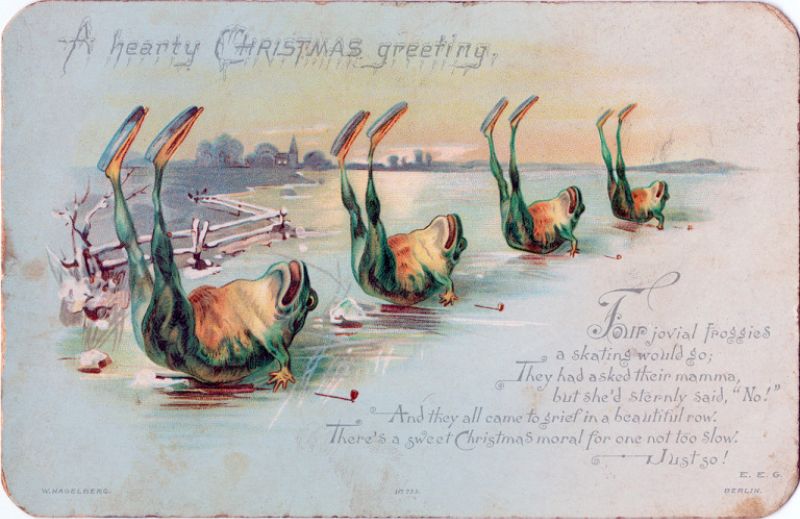
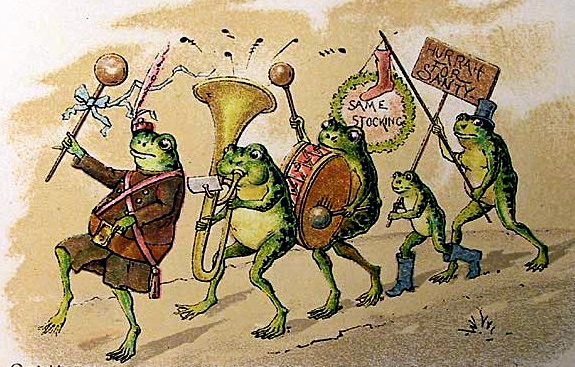
Frogs tend to feature quite often in Christmas card design – although it is hard to say what exactly is being said with the first card…
The following few card designs feature food but not in ways you would expect.
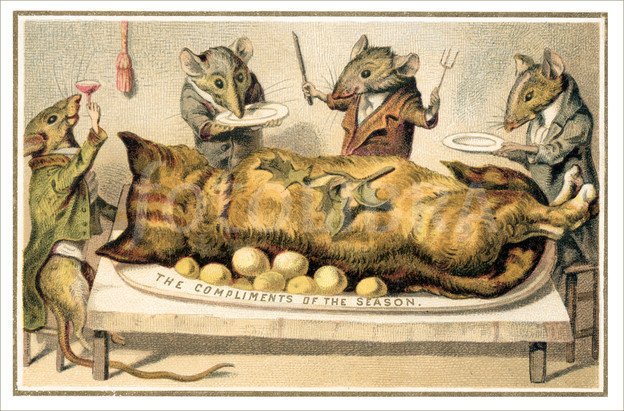
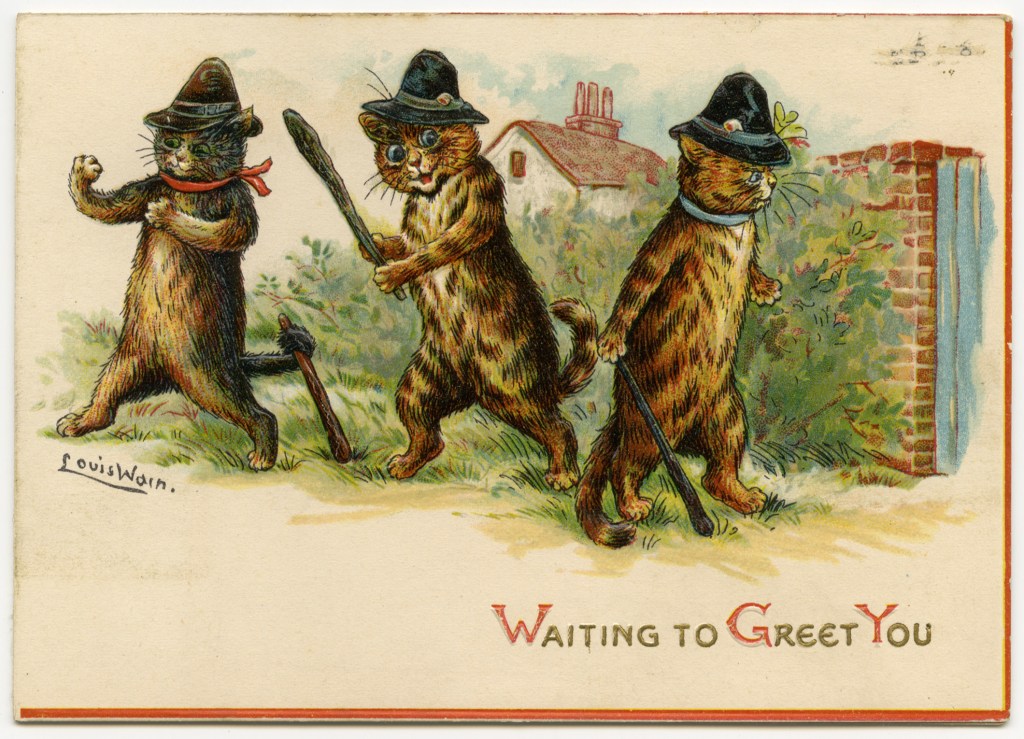
Kittens often feature on Christmas cards, sometimes cute, sometimes not and as the card above shows not always in ways we expect either.

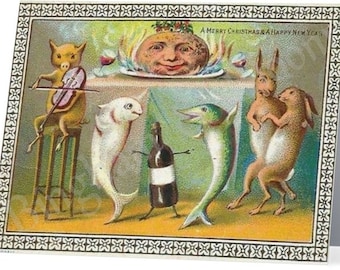
The following cards are simply those which are too weird for explanations.
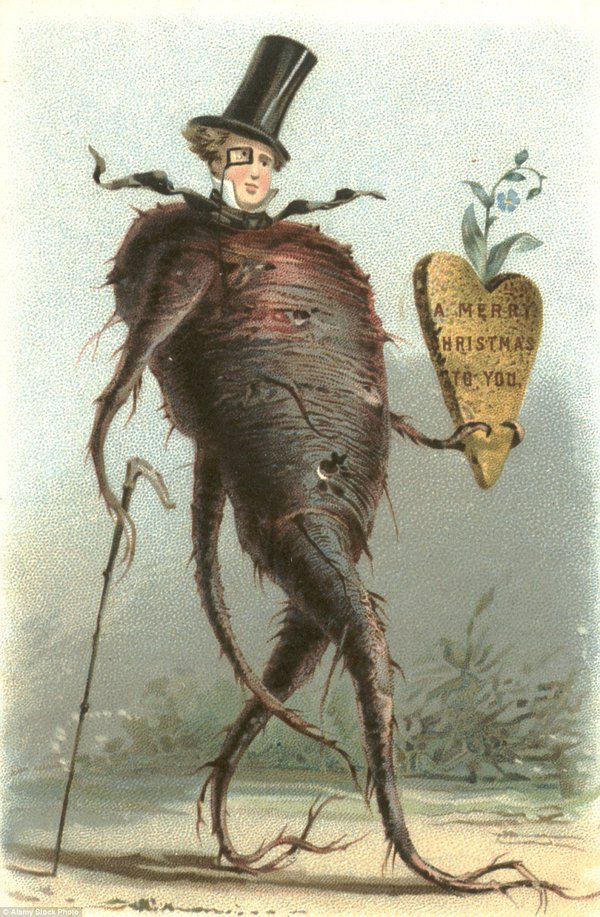
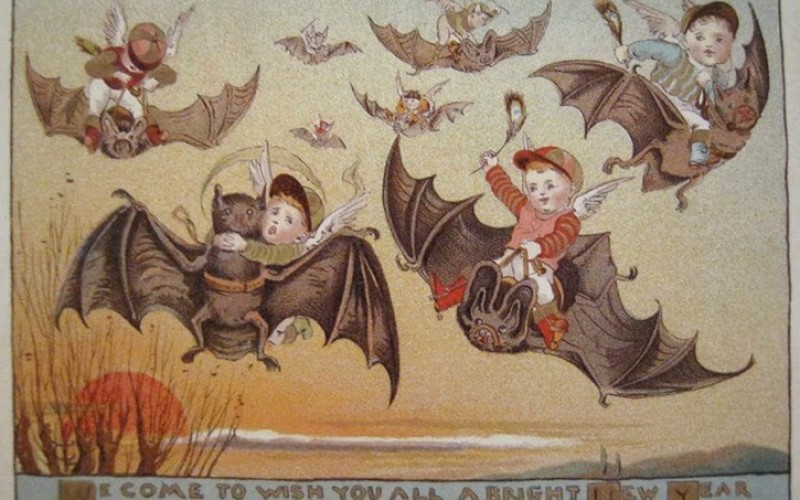
For more interesting and quirky facts about Christmas please check out the other blog on Christmas traditions here (there are also some more carzy cards…)


















 T M Rowe - Writer