Tag Archives: New Zealand

A Visit to the Shire

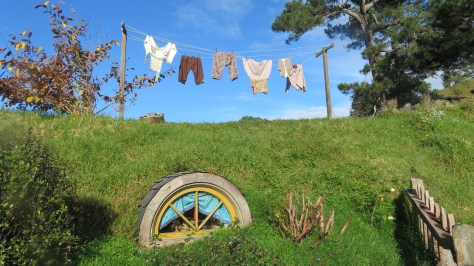
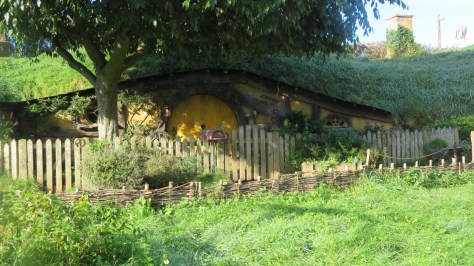
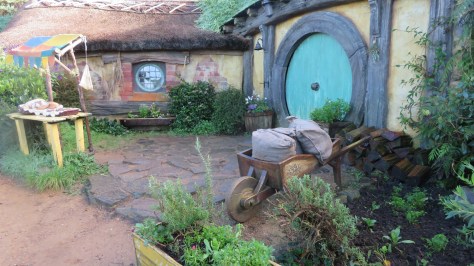
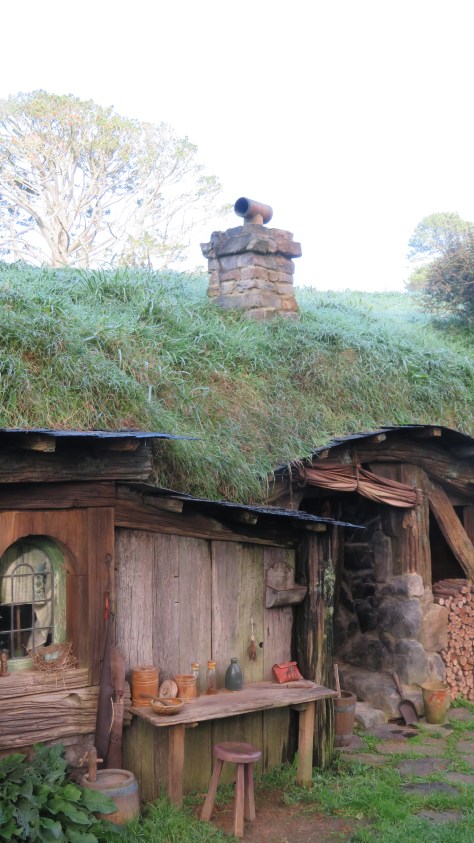
On a fine but crisp morning the family and I made the two hour journey to the set of Hobbiton where the scenes for the Shire were filmed for both the Lord of the Rings and The Hobbit movies.  I am big fan of the works of JRR Tolkien and whilst I was dubious about the movies they still have much going for them.  I was also dubious about visiting what is obviously a place with the overseas tourist in mind.  However, I must admit to being pleasantly surprised – Hobbiton was delightful!  The managment work hard to maintain the spirit of what Tolkien describes in loving detail.  My visit was a balm to my frazzled self and the following are a few photos of our time there, I only wish we could have spent more time there.

Hobbiton is situated on the Alexander farm near Matamata, Waikato and was first discovered during an aerial reconaissance for suitable filming locations for the Lord of the Rings trilogy.  The original set was constructed of untreated timber, ply and polystyrene – it was always the intention to return the site to its original condition.  However, with the filming of The Hobbit an agreement was struck between Peter Jackson and the Alexander family and Hobbiton was born, this time with more permanent materials.

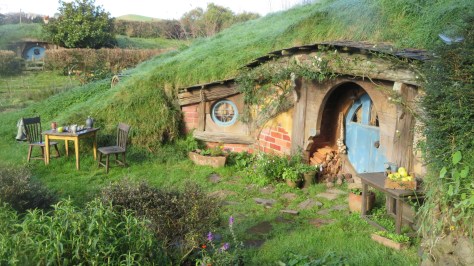
The following are just a few of the many Hobbit holes, each individual in their own way with gardens and furniture.  It seems as if the occupants have just stepped away and will be back in a tick…

“In a hole in the ground there lived a hobbit.  Not a nasty, dirty, wet hole, filled with the ends of worms and an oozy smell, nor yet a dry, bare, sandy hole with nothing in it to sit down on or to eat: it was a hobbit-hole, and that means comfort.”  (The Hobbit.  J.R.R. Tolkien).

IMG_9037IMG_9036IMG_9035IMG_9034IMG_9006IMG_9020IMG_9015IMG_9013IMG_9010IMG_9009

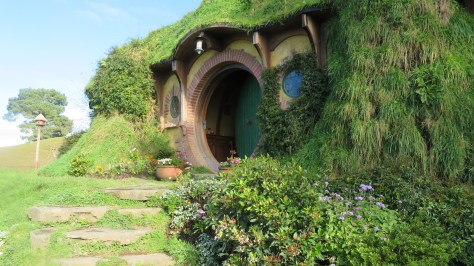
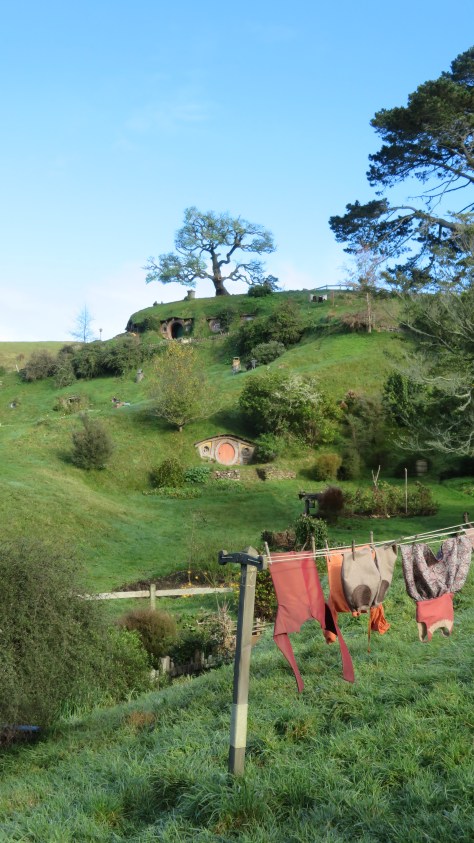
Of course we were all looking forward to getting to the most important Hobbit hole of them all – Bagend…

“It had a perfectly round door like a porthole, painted gree, with a shiny, yellow brass knob in the exact middle. The door opened on to a tube-shaped hall like a tunnel: a very comfortable tunnel without smoke, with panelled walls, and floors tiled and carpeted…” (The Hobitt. J.R.R. Tolkien)
IMG_9018IMG_9025IMG_9027IMG_9026

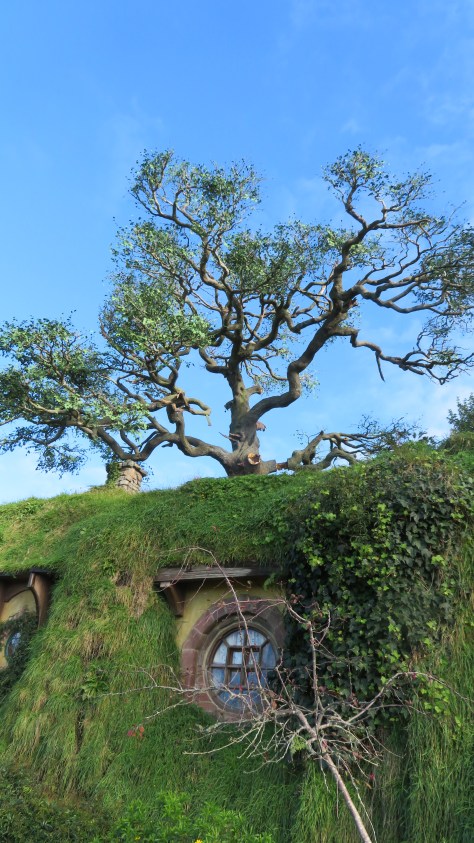
The oak tree in the picture above is an artificial tree made from steel and silicon with over 250,000 fake leaves…


IMG_9028
My daughter was very happy to be standing outside of Bagend.


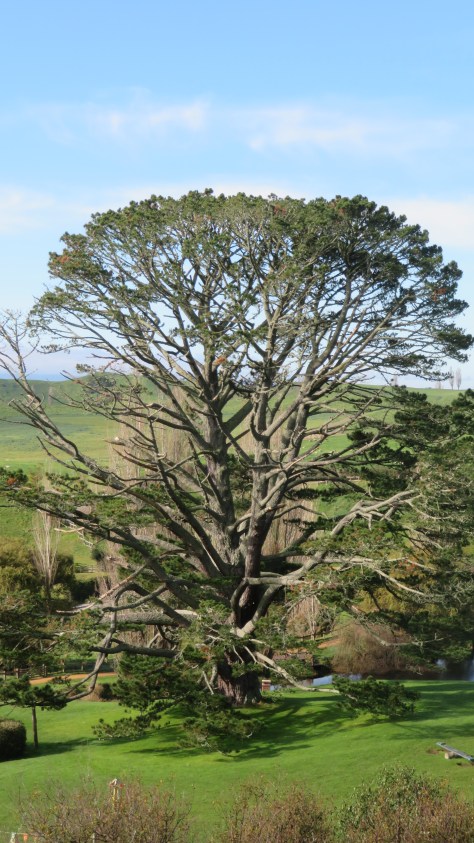
From here our guide led us down to the Party field with its huge tree (this one is real and the reason for choosing this small part of the Waikato for a film set).
IMG_9024

And then it was on over the bridge to the Green Dragon for mug of ale and food…


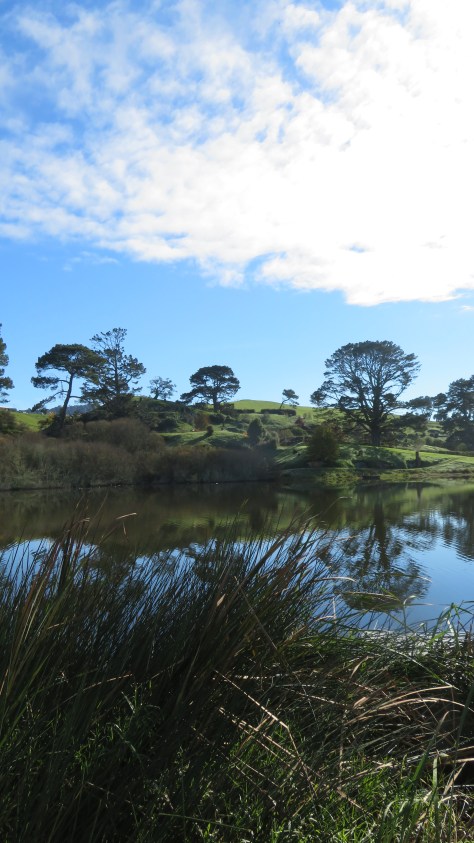
Two very happy hours later we turn and say goodbye to what can only be described as a magical place…

IMG_9047IMG_9048

“By some curious chance one morning long ago in the quiet of the world, when there was less noise and more green, and the hobbits were still numerous and properous, and Bilbo Baggins was standing at the door after breakfast smoking an enormous long wooden pipe that reached nearly down to his wooly toes (neatly brushed) – Gandalf came by.” (The Hobbit. J.R.R. Tolkien)

www.hobbitontours.com

Ahuahu – Archaeology on Great Mercury Island.

Yesterday was the first day of New Zealand Archaeology Week, it is the first time in New Zealand that archaeology has been celebrated with its own ‘week’.  As part of this celebration of the past I attended a lecture at the Auckland Museum about the long term archaeological project being undertaken on Great Mercury Island entitled The Changing Face of Archaeology – The application of technology to the Ahuahu Great Mercury Island Archaeological Project.  The lecture was delivered by Louise Furey, Rebecca Phillipps and Joshua Emmitt.

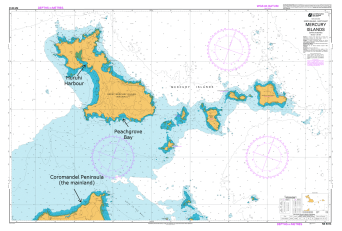
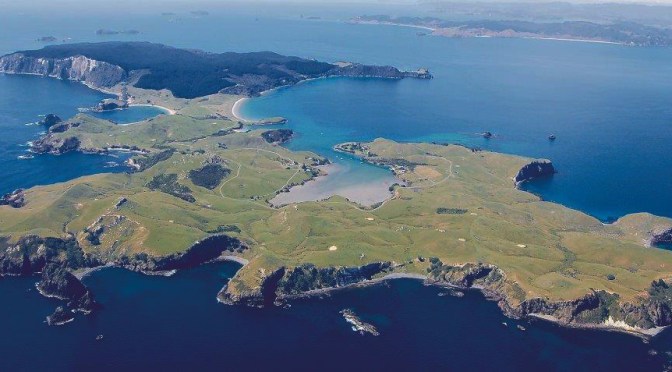
Great Mercury Island is situated off the east coast of the Coromandel Penninsula and as the name would suggest is the largest island in the Mercury Group.  The purpose of the project is to examine the history of the Maori occupation on the island.  As an island it provides the ideal opportunity to study a landscape as a whole and how people utilised and interacted with that landscape over time.  This post is not a comprehensive study of the archaeology of the island, it is only a brief foray into what is a complex landscape.  I have included links for those who wish to read more about the work that is being carried out by the archaeologists.

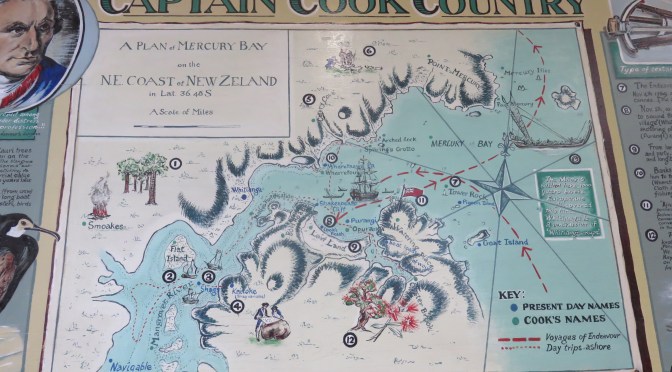
Mercury Island Chart Picture

There is certainly plenty of archaeology on the island to keep the archaeologists busy for quite some time.  Of that which is visible above ground there are twenty-three Pa (defended sites with ditches and banks), large areas of gardens (recognisable by the lines of cleared stones), kumara storage pits, stone working sites and shell middens.  As recent excavations have indicated there is even more evidence lying beneath the surface.

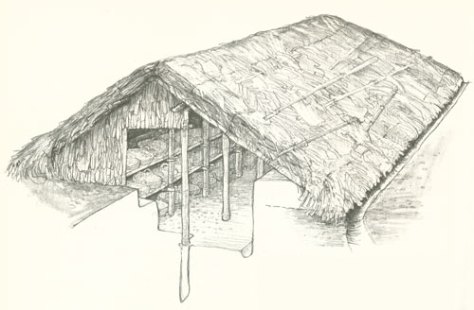
Prior to the current project the island was subject to two other single event excavations.  The first being undertaken in 1954 in the early days of New Zealand Archaeology by then then newly appointed lecturer in archaeology at the University of Auckland Jack Golson.  With a party of archaeology students he excavated a terrace on the Stingray Point Pa (Matakawau) identifying two kumara pits, each pit had more than 80 post holes suggesting a long period of rebuilding/maintenance of the roof structures.  Golson’s work was never published although this is soon to be rectified.
a17369enz
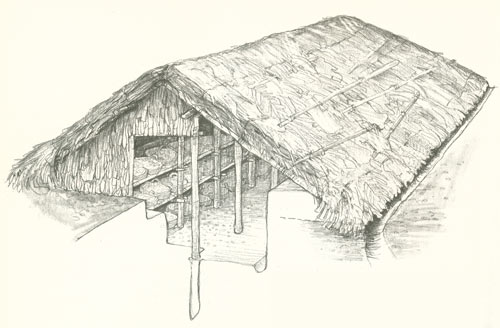
A reconstruction drawing of how such storage structures may have looked like.

In 1984 Professor Geoffrey Irwin of the University of Auckland excavated a Pa in Huruhi Harbour and in 2009 a sever storm eroded about ten metres of sand from White’s Beach to reveal a shell midden with a rich charcoal layer.  Bones from dogs and fish were found within the midden which was dated by radiocarbon to c.1400AD.

In 2012 the University of Auckland and the Auckland Museum began working in conjunction with Ngati Hei on the previously mentioned long term project.  The island is visited on regular basis with the main excavation season being held in Febuary, which is also a training dig for archaeology students from the university.  The lecture held yesterday focused on some of the finds from the excavations such as the large quantities of obsidian flakes, some of which come from as far afield as Taupo, Mayor Island and closer to home on the Coromandel Peninsula.  Although the work/research is still ongoing it is becoming clearer how important Ahuahu is in our understanding of the early prehistory of New Zealand.

IMG_12931

Field School Dig Diaries

Because ultimately excavation is destruction it has long been universally acknowledged how important it is to record as much detail as possible.  In the past this was often a labour intensive activity, if done at all.  Today’s archaeologists now have a raft of technological tools at there disposal and at Great Mercury they are taking full advantage of what is available.  The technology being used on site to record every find, feature and layer includes total stations, laser scanners and drones are in everyday tools for these excavations.

One area that was investigated was a blackened sand layer about 20cm deep (part of a sand dune) which had been exposed by erosion in Coralie Bay. A 5mx5m square was excavated, with all finds being collected and their position recorded. An interesting feature was a series of stones seemingly sitting on the surface, once excavated it revealed itself to be a windbreak protecting a cooking area. On its eastern side a several circular, shallow fire scoops were found, along with postholes for shelters and a number of obsidian flakes.

Further excavation revealed a new layer of information some 30cm below – here the bones of seal, white pointer shark teeth and lots of obsidian flakes were found. This part of the site was interpreted as a butchery area.

This is only a brief rundown of some of the work being done on Ahuahu and for more information please follow some of the links below. You Tube has several video’s of work being done on the island – the following are links to a couple to get you started if you are interested.

Daily video diary

Archaeology is Amazing

On the Auckland Museum website there is also information on the project  – Great Mercury Island Expedition.

The Making of Maori Society

Variable horticulture within a small garden on Ahuahu

The Mercury Bay Museum

Whenever I go somewhere new my first stop (after a leg stretch and a coffee) is usually to the local museum.  I have a deep fondness for museums and the people who put their heart and soul into their creation and upkeep.  The Mercury Bay Museum was one of those musuems where the peoples love of their town and surroundings was evident.

Our first visit to Whitianga on the Coromandel Peninsula was in the winter and unfortunately the musuem was closed however we had much better luck on our second visit.  Situated on The Esplanade just opposite the wharf, this small but well thought out musuem tells the history of the area beginning with Kupe who gave the local area the name Te Whitianga nui a Kupe or The Big Crossing Place of Kupe.

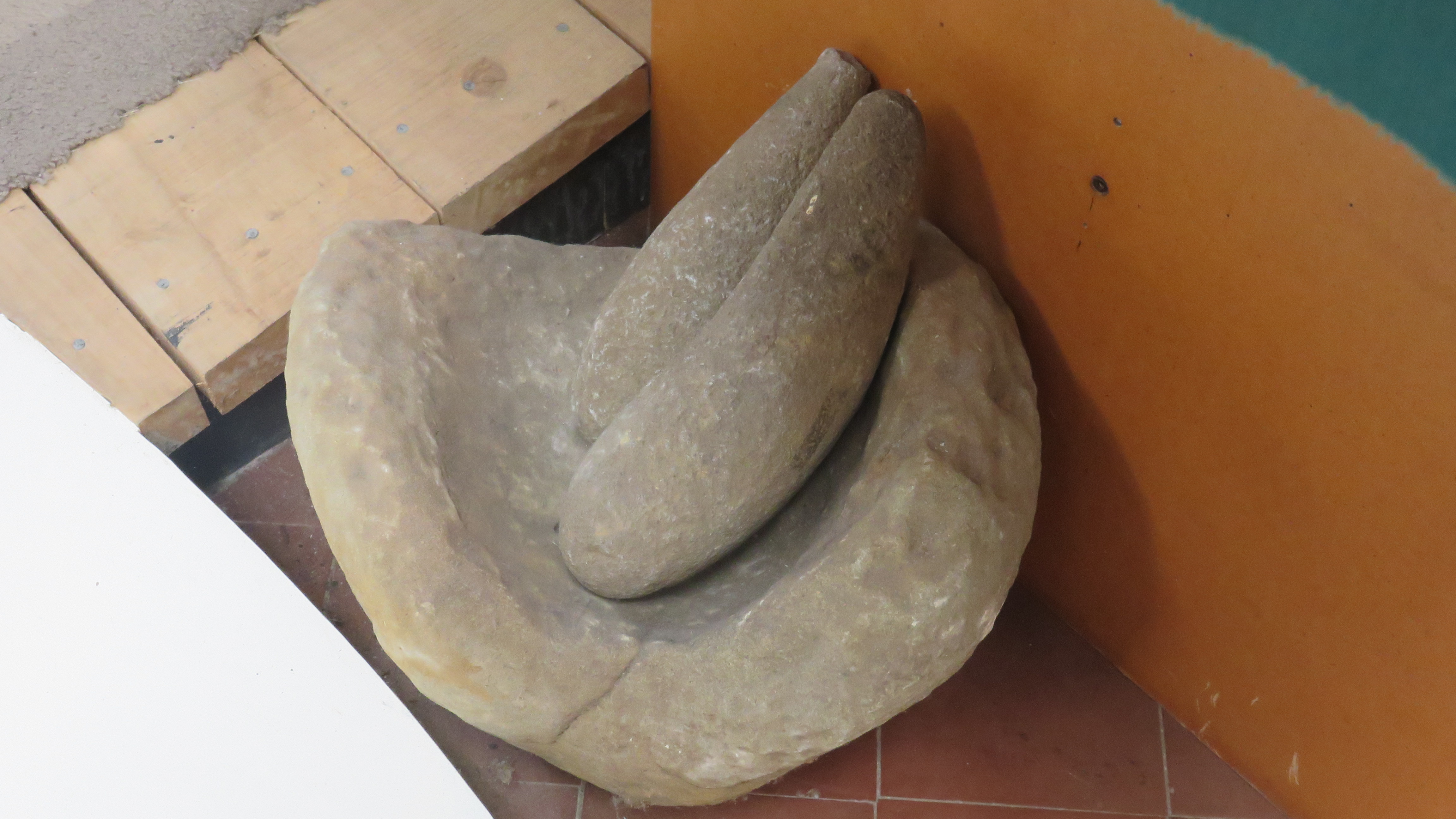
Originally the site of the museum was an urupa or cemetary for  the local Maori iwi called Ngati Hei up until the 1870s.  But when European curio hunters violated the tapu of the site members of the Ngati Hei removed the remains of their people and reinterred them safely elsewhere.  The Maori history of the area represents only a small part of the musuem and was my one criticism of this otherwise outstanding museum.  The displays of Maori artefacts were not clearly labelled and the display was largely restricted to the walls of the walkway as you entered and could be easily overlooked – personally I think the museum designers may have missed a beat in down playing the 800 years or so of Maori history.

IMG_1657
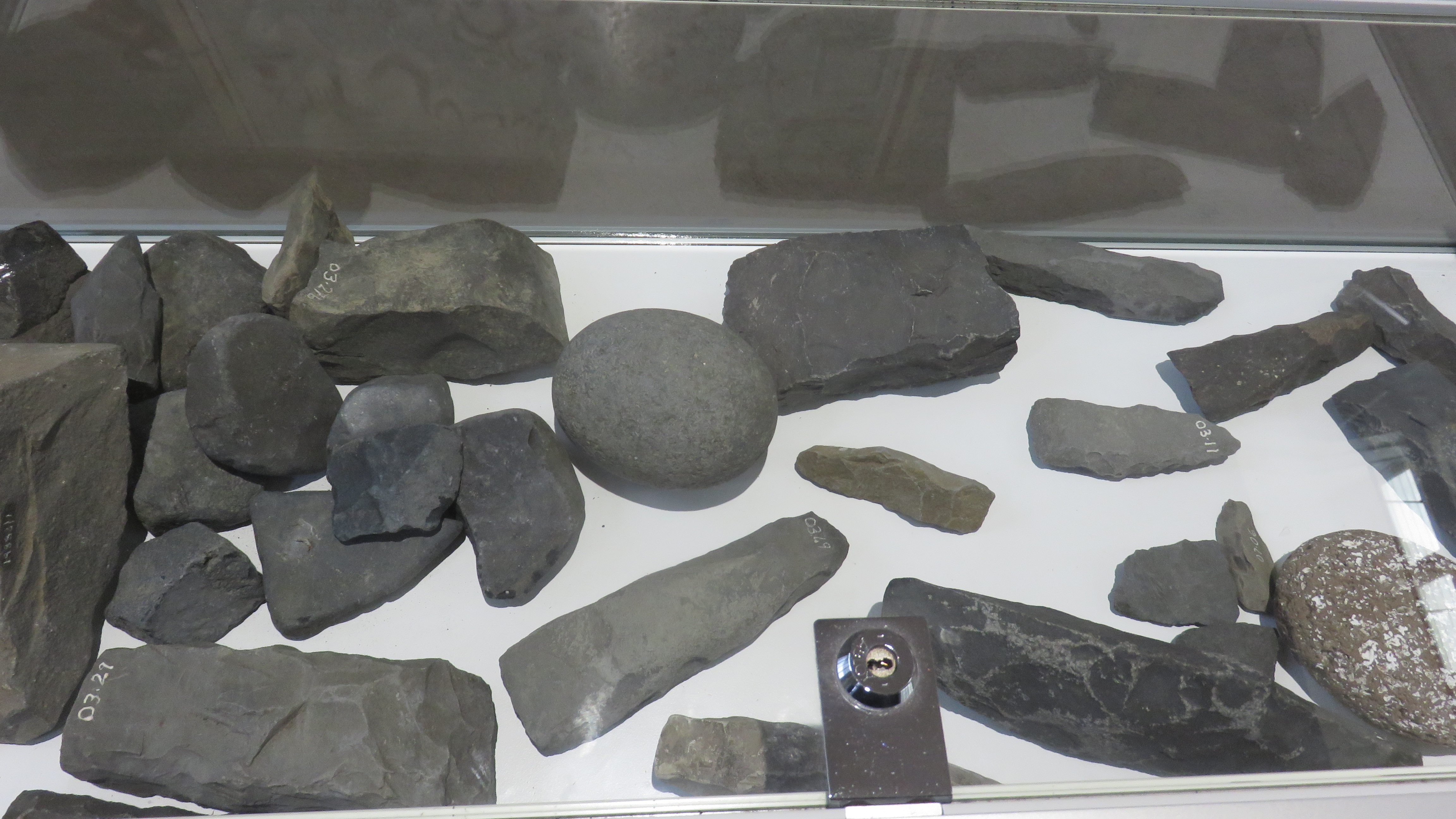
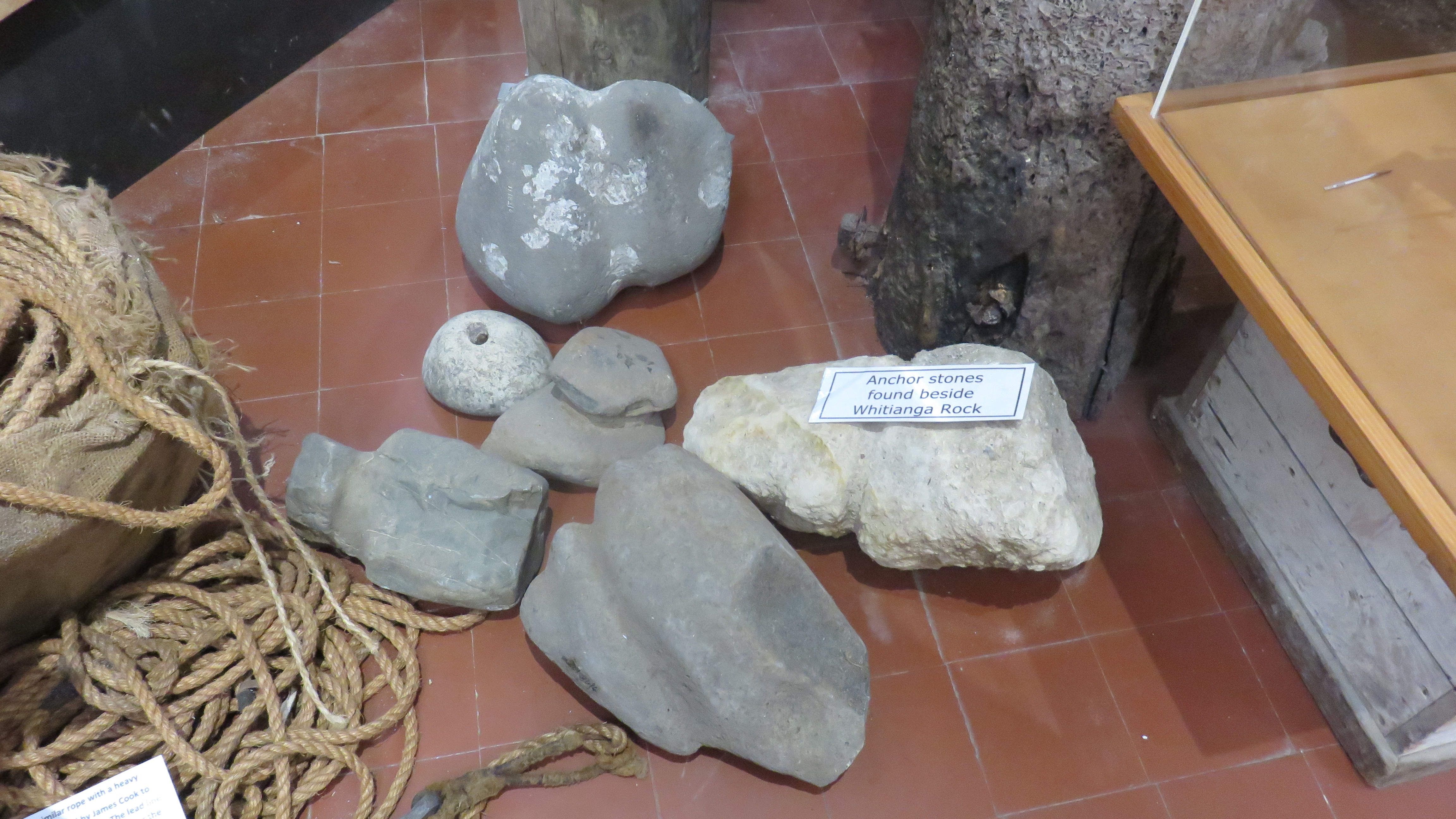
Examples of Tahanga basalt stone tools (and other random stone tools) – this material was traded far and wide – the lack of information on this dispay was disappointing, only personal knowledge helped be identify what the objects were.
IMG_1658
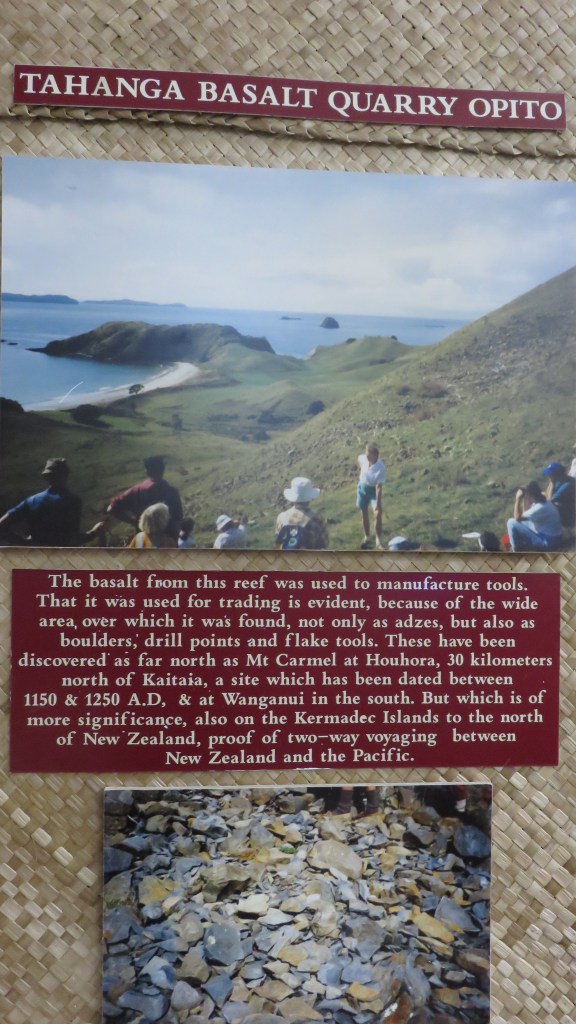
Poster on the wall about the Tahanga basalt quarry at Opito
IMG_1659
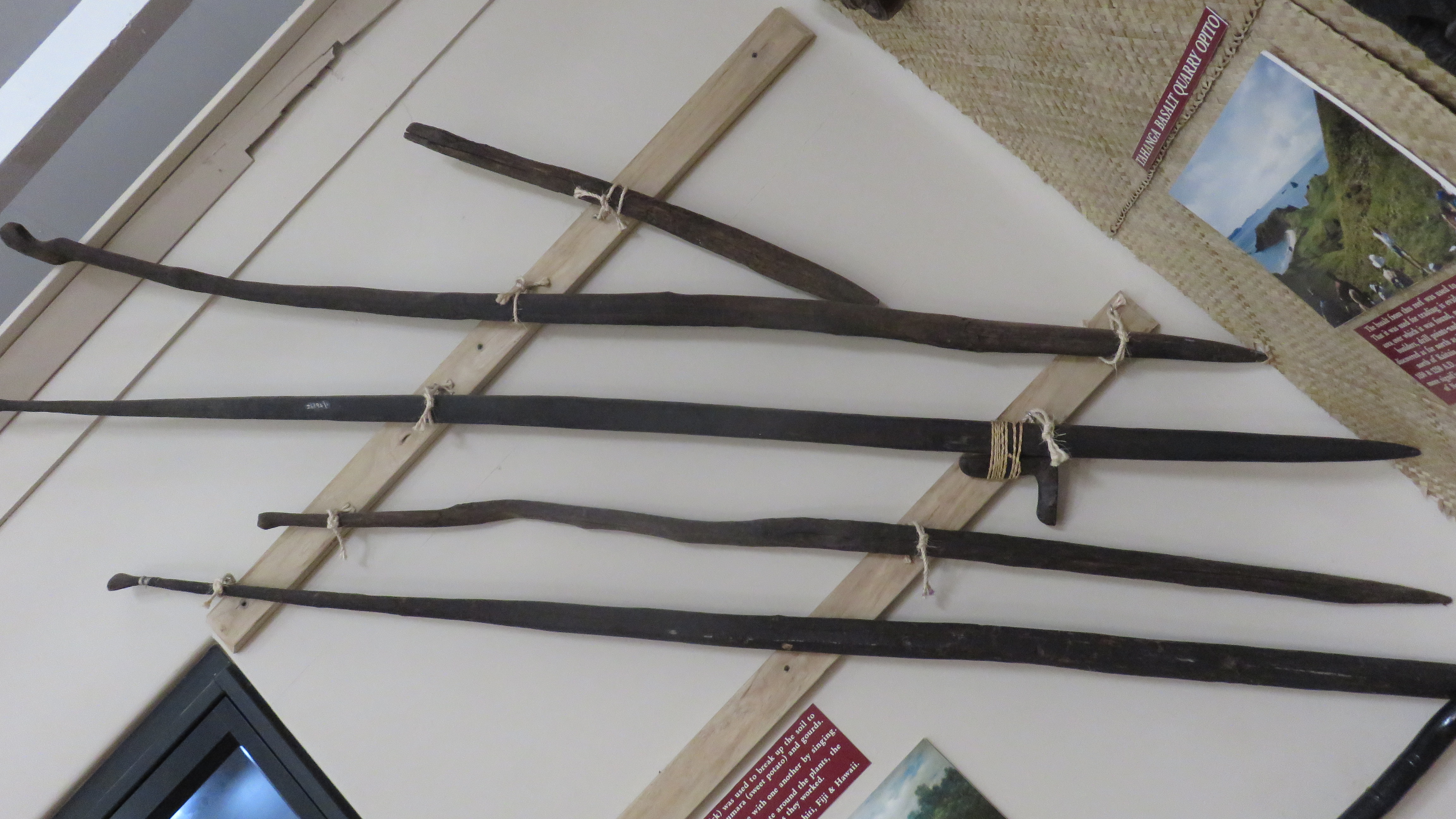
A display of Maori digging sticks.

The Museum is very child friendly – my daughter in particular enjoyed dressing up as Captain Cook who visited the area in 1769 on the HMS Endeavour.  It was he who gave the area its European name of Mercury Bay after taking his longitude and latitude from the viewing of the transit of the sun across the planet Mercury.

IMG_1663
Time to dress up…

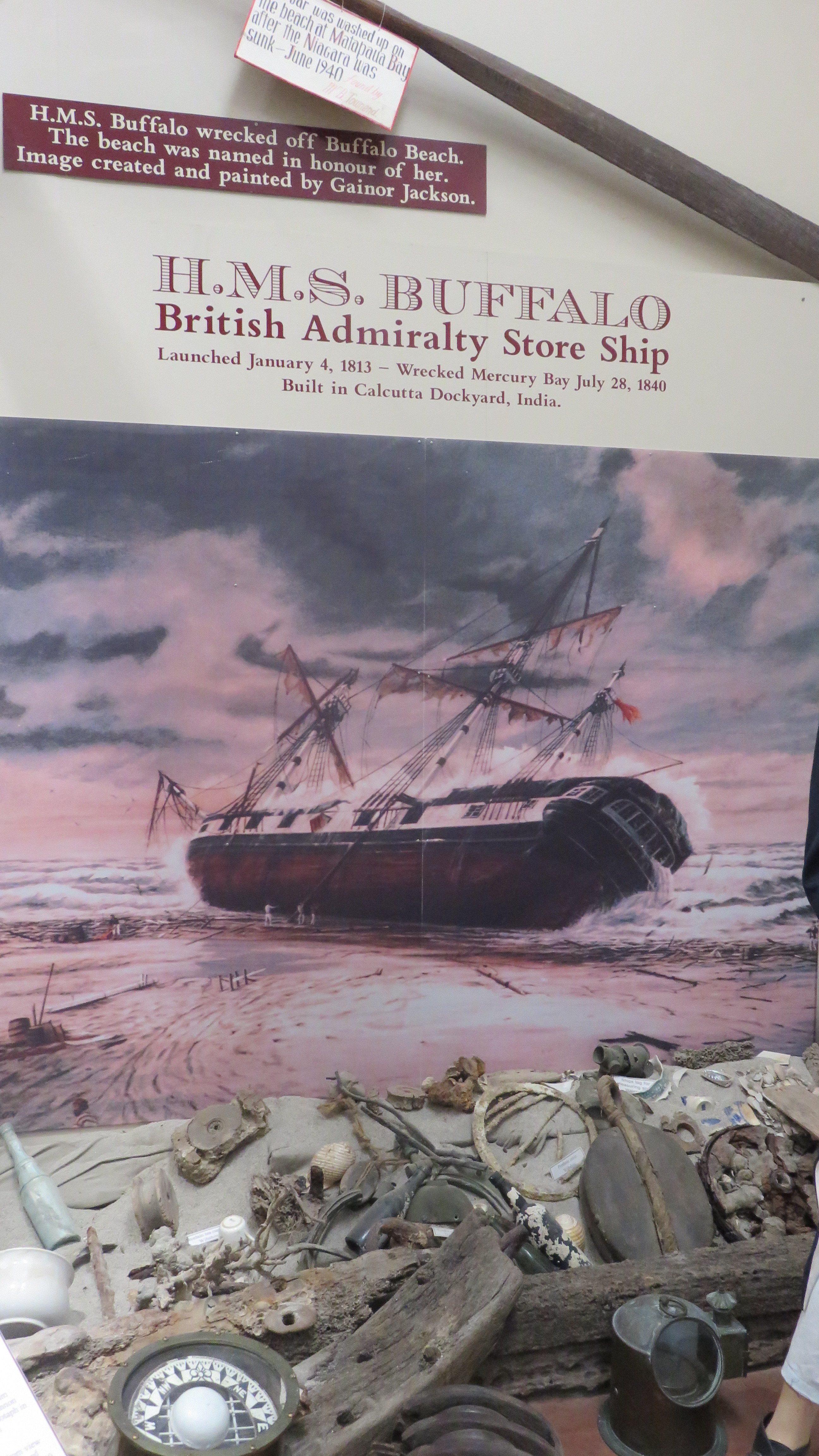
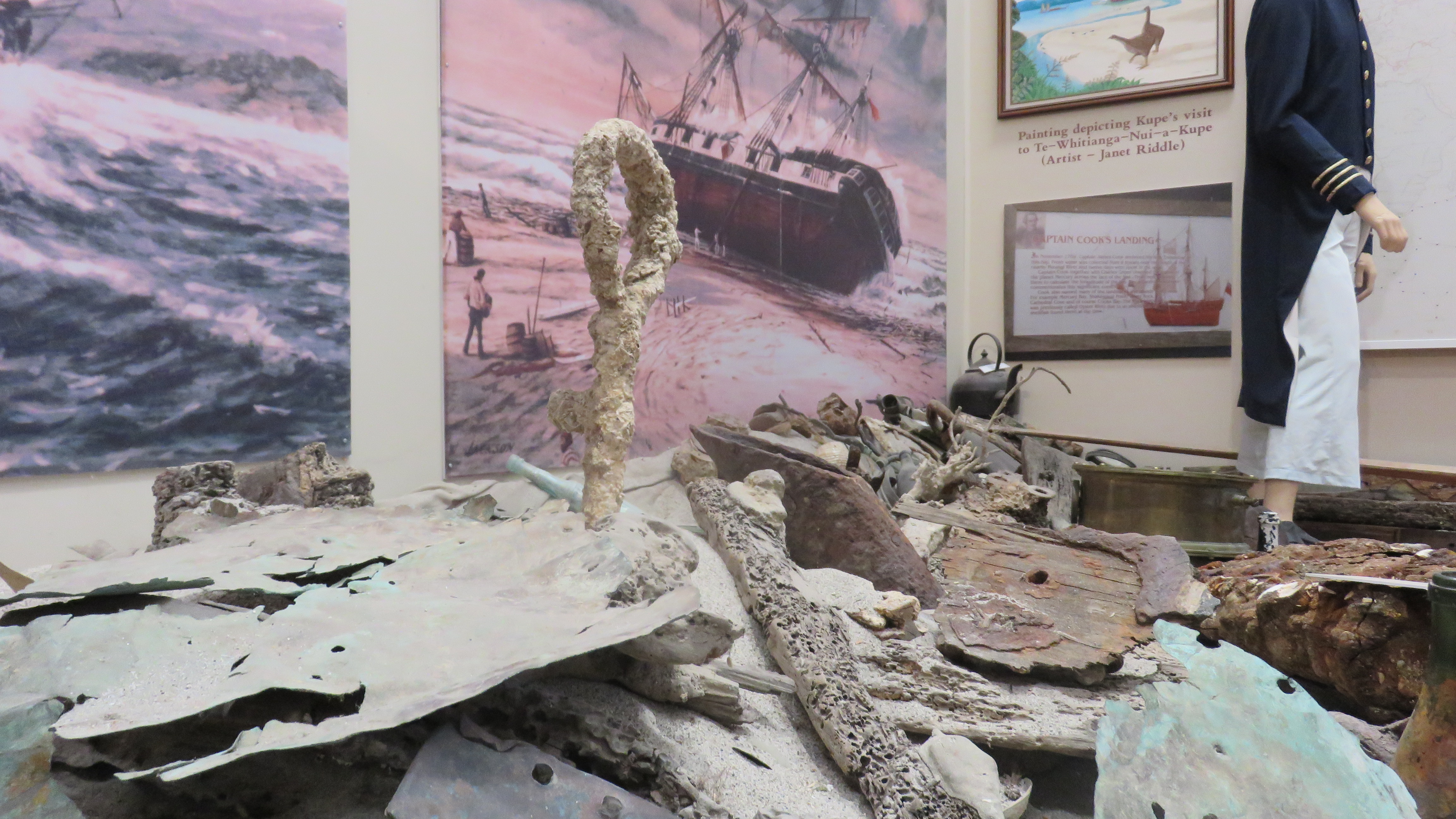
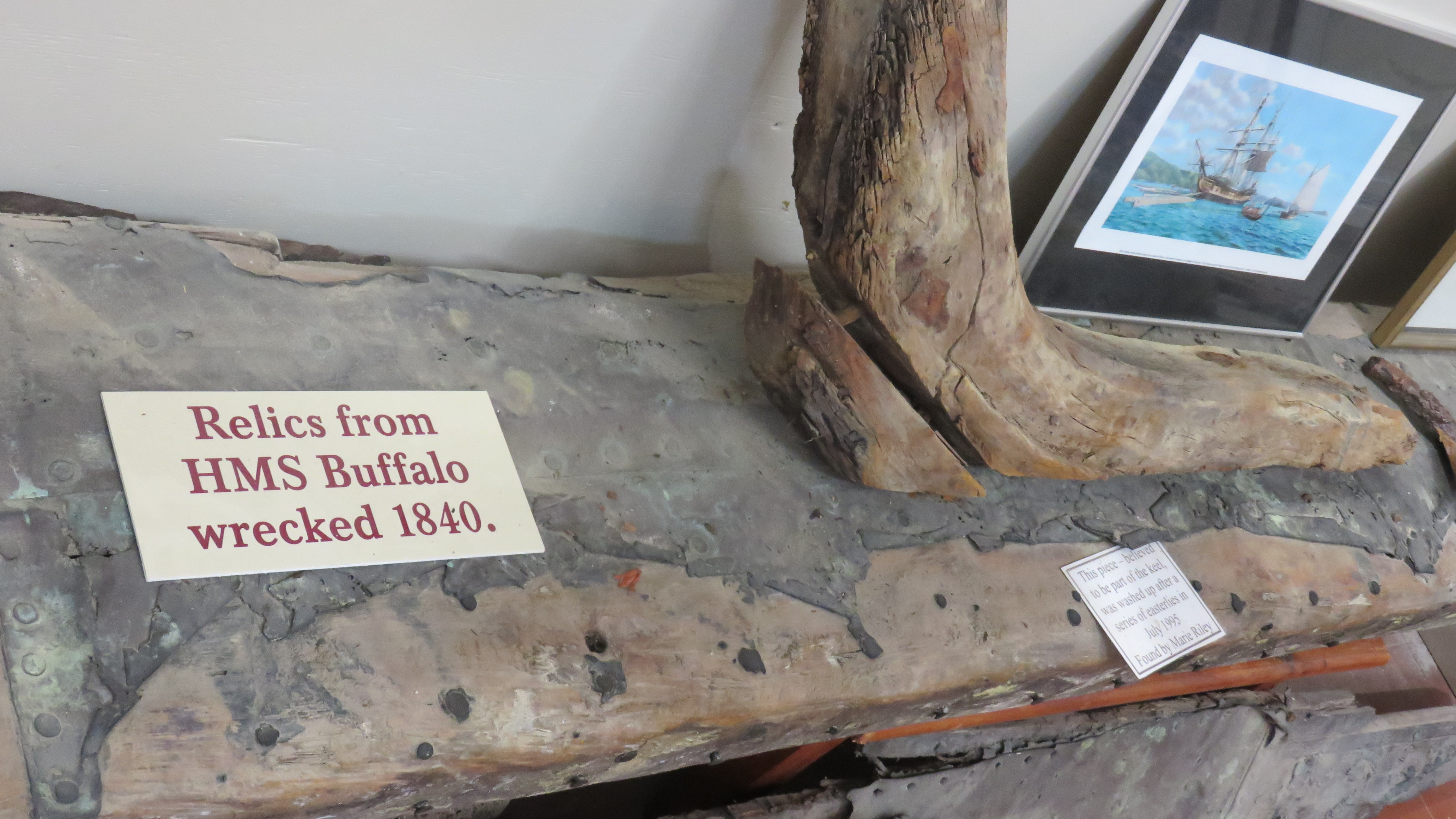
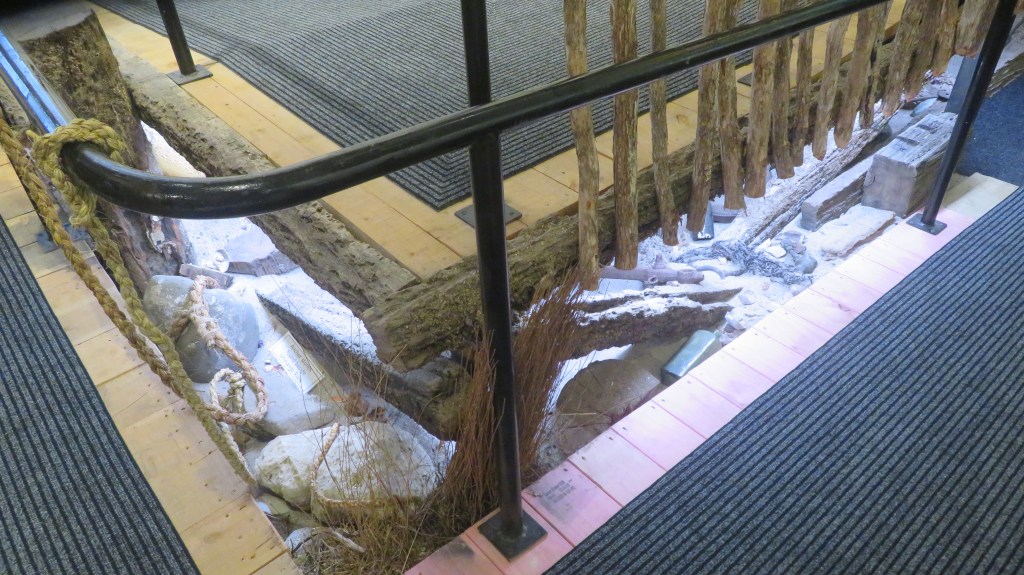
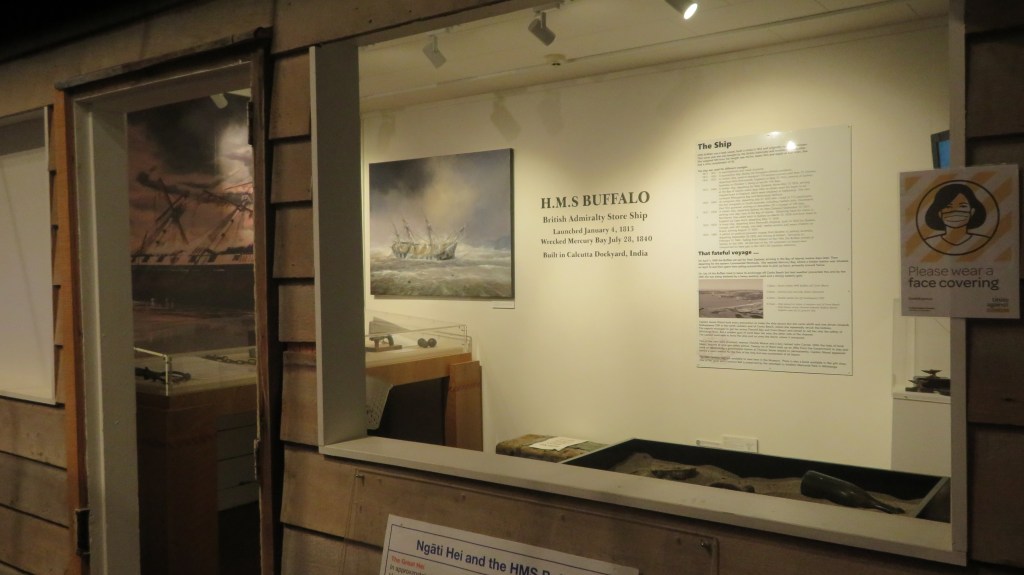
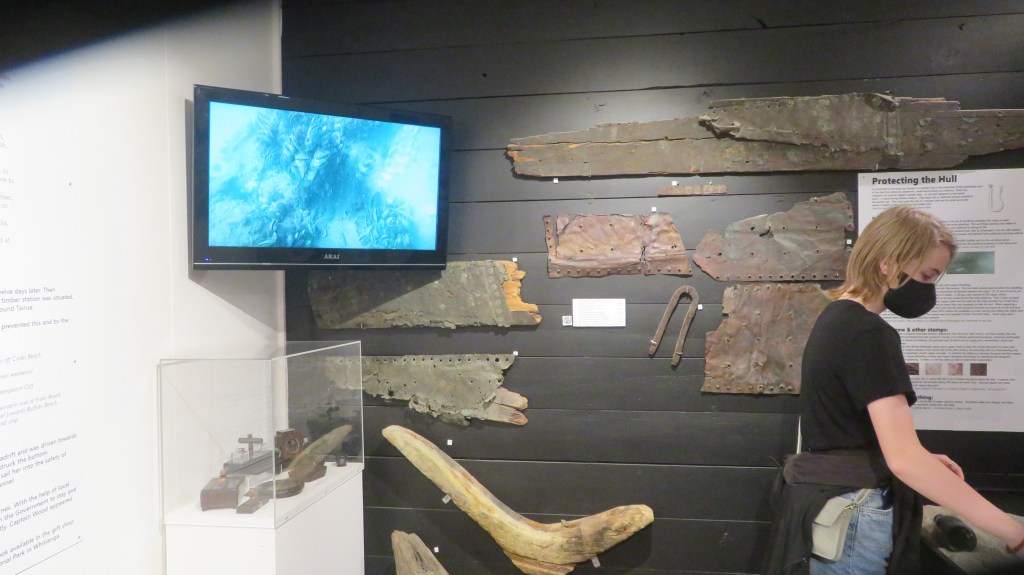
As you head further into the museum there is a significant display on the wreck of The Buffalo which gave the local beach its name (Buffalo Beach), the Kauri room and shanty shack – Kauri were an important part of the economy in the 1800s, either as logs or from the fossilied resin/gum – a 1950s school room, a 1960s bach, a smithy, two rooms displaying birds of the area and displays regarding the importance of the fishing industry (commercially and recreationally) and agriculture to the area.  A butter churn display harks back to the days when the museum was once a dairy factory producing butter from cream from all over the Mercury Bay area.  The musuem also holds an extensive collection of photos covering the life and times of Mercury Bay and its residents.

A Second Visit to the Mercury Bay Museum – February 2022

It had been a while since we had visited the Coromandel and even longer since we had been to Whitianga, so after many months of not venturing far from home we decided to have a short weekend break away.

I had heard that the Museum was in the throes of upgrading and improving many of its exhibits. A visit was needed to see for myself the work that was being done. Although the main bones of the museum are still intact and there is still work to be done, it was obvious the direction the museum was taking. Early Maori and their subsequent interaction with James Cook and his crew when he arrived in the bay was the focus for the front section of the museum.

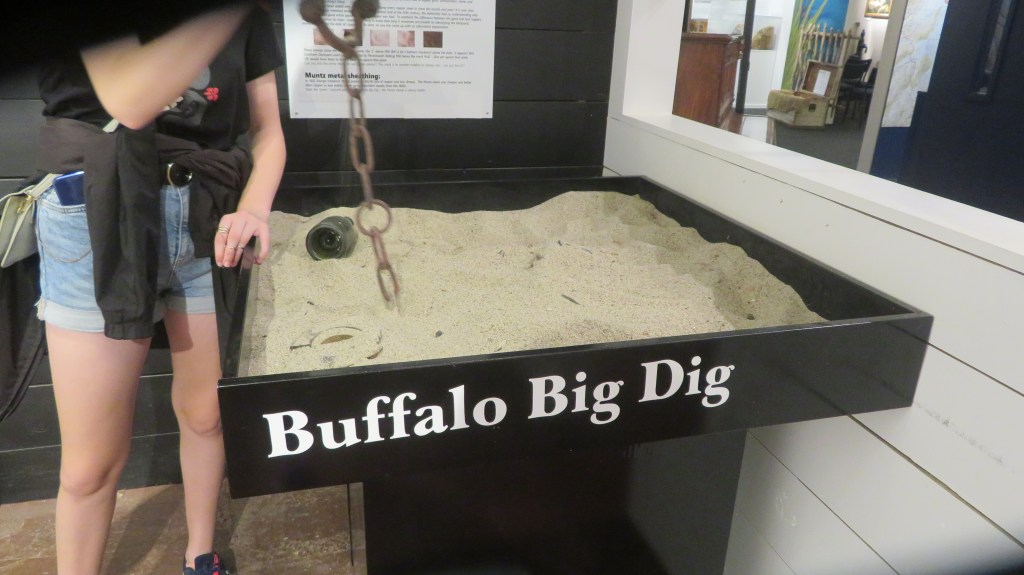
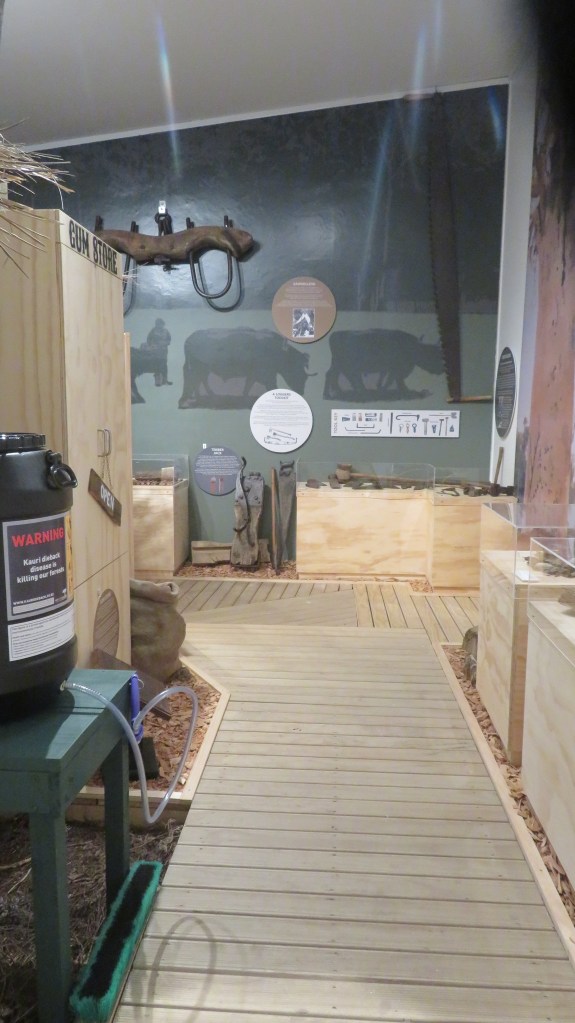
The rest of the museum was divided into distinct sections, the story of the Buffalo now had it’s own dedicated space, along with the story of the Kauri forests and the wildlife (past and present) of the area. Farming and fishing – the two main industries of the Coromandel – also had obvious and dedicated areas. Within each space there were opportunities for visitors to engage with the exhibits such as the ‘excavation’ of remains from the Buffalo or the watching the process of a milking pump.

All in all it was another enjoyable visit to the Mercury Bay Museum – I look forward to visiting again when all the work has been completed. The following are a few photos of this most recent visit.

A good use of space under the ramp leading down into the museum connecting the panels on early Maori to the time of Cook’s visit to the bay.
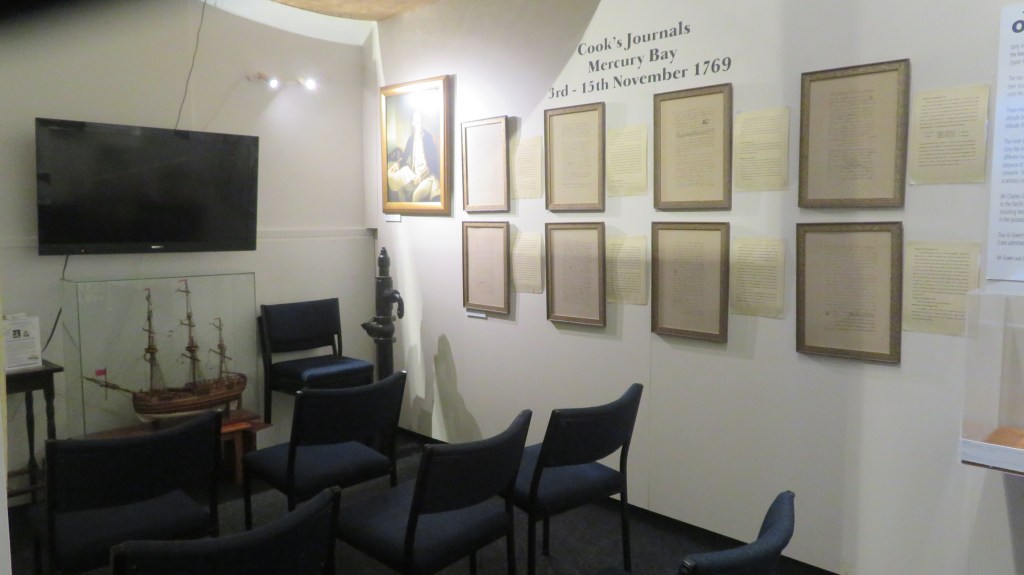
An audio visual presentation of Captain Cooks visit to the area alongside sections of his journals.
The brand new section on the past milling/logging and long term protection of the kauri forest.
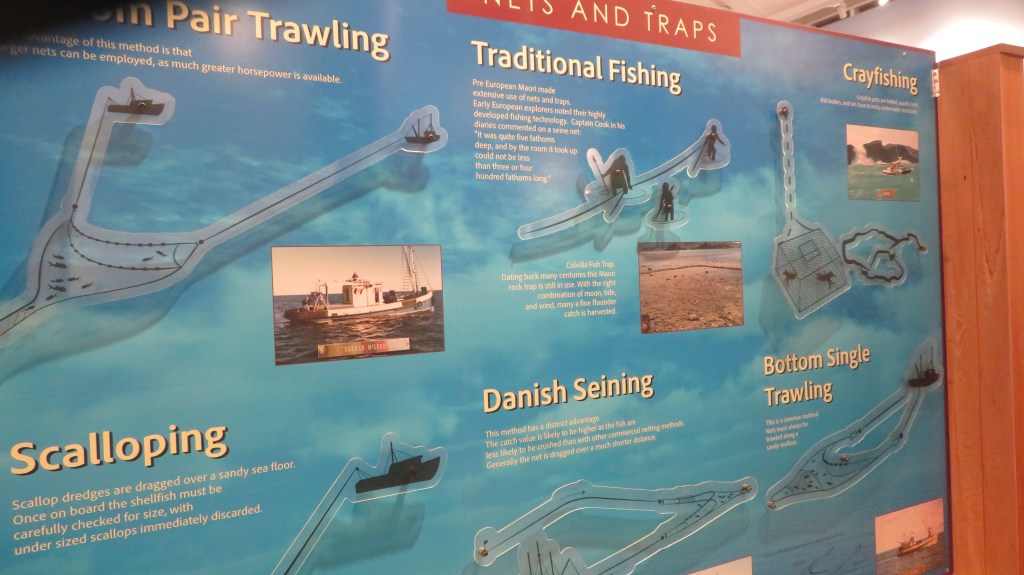
An information board on the different types of fishing methods – good to see that traditional methods have been integrated as part of the story.
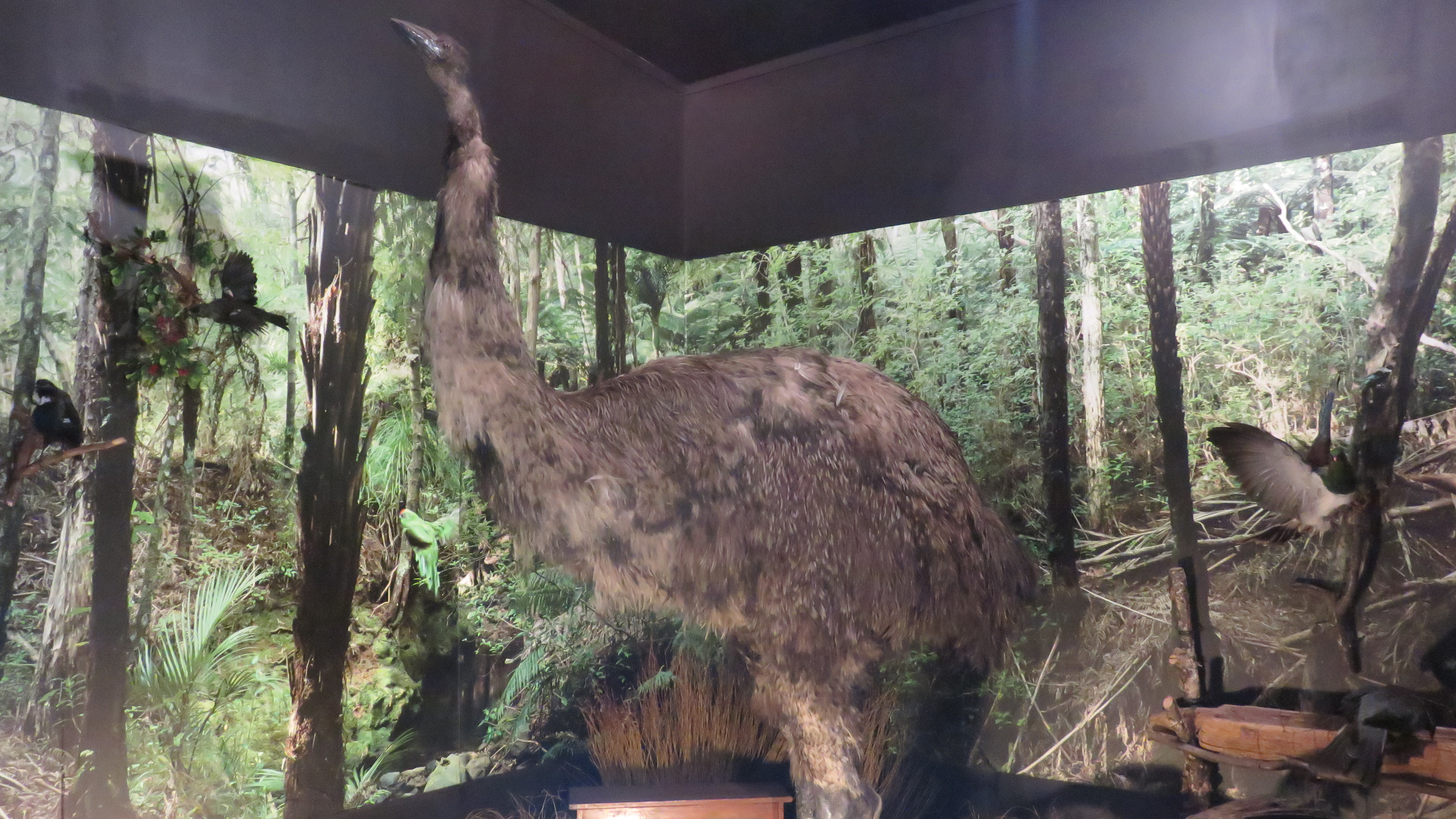
Everyone’s favourite – the moa…
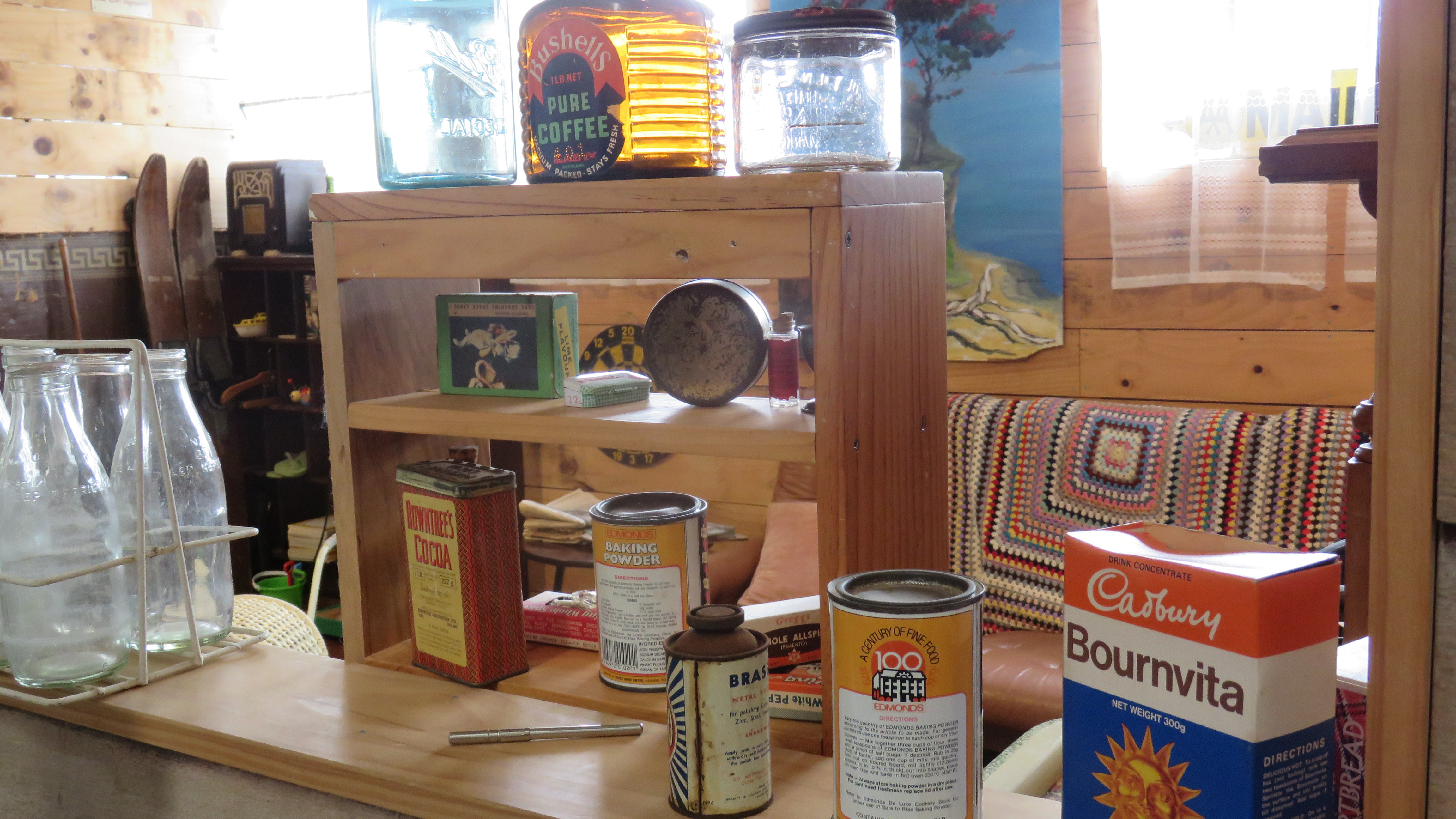
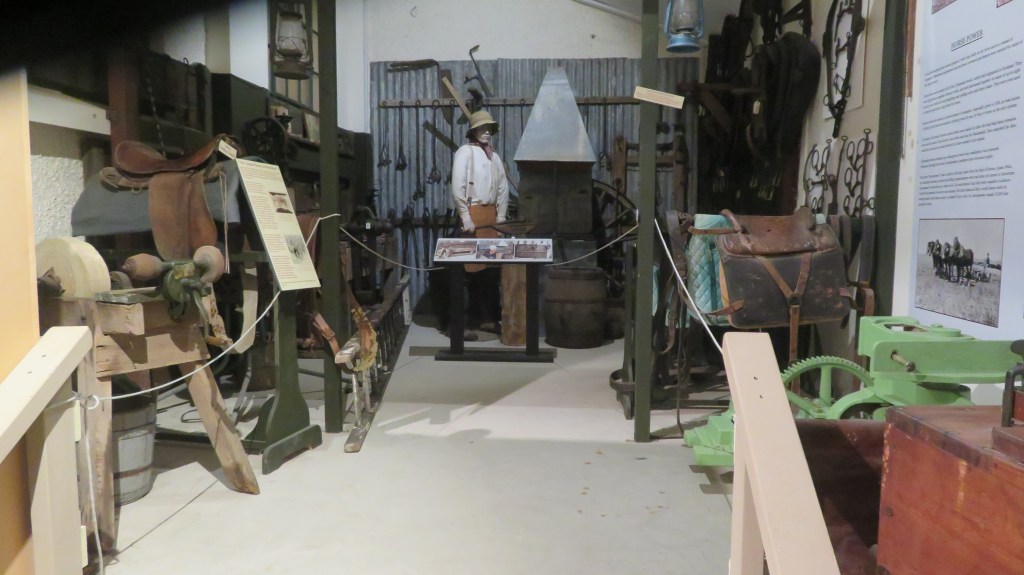
There is a tendency for museums to over stuff the displays when it comes to rural life in the past – it is often hard to absorb information when there is so much clamoring for your attention. The above display was easily digestible with just the right amount of information to hold a visitors attention.
A small but perfect display on the Women’s Institute.
www.mercurybaymuseum.co.nz

The Karangahake Gorge and its Industrial Archaeology.

Summertime in New Zealand means roadtrips and exploring all that our lovely country has to offer.  Me and mine decided to spend some time in the goldmining town of Waihi and of course as always this meant a lesson in history, in particular the area around the Karangahake Gorge.

The Karangahake Gorge is situated between the Coromandel and Kaimai ranges and was formed by the flow of the Ohinemuri River.  It’s steep sides are covered in native bush, a haven for those wanting to experience the great outdoors.  There are plenty of walks and cycle trails to enjoy or you can simply sit by the river and enjoy a picnic.  However not so long ago the visitor would have been greeted by an entirely different scene.

On this visit we did the Windows Walk which takes you past and through several of the stamping batterys and the many associated building ruins then into the old tramway tunnels along the Waitawheta Gorge (an offshoot of the Karangahake Gorge).  Unlike other goldmining areas, alluvial gold is rare in the gorge and almost all of the gold and silver recovered from here was done by deep quartz mining.  This meant only the large well funded companies could afford to operate in the gorge.  The three main players were the Talisman Mining Company, The Woodstock Mining Company and the Crown Mining Company.  (The latter will ring some bells with those of you interested in Cornish mining history as they were a major player in the mining industry of Cornwall.  In fact many of the miners came from Cornwall which was at the time undergoing a decline in mining.  Their skills in hard rock mining was in great demand in colonial lands).  Today so much of the ruins are covered in dense bush, their edges softened by vegetation and with the sound of either the Ohinemuri or Waitawheta rivers filling your ears it is hard to imagine this as a place of heavy industry.

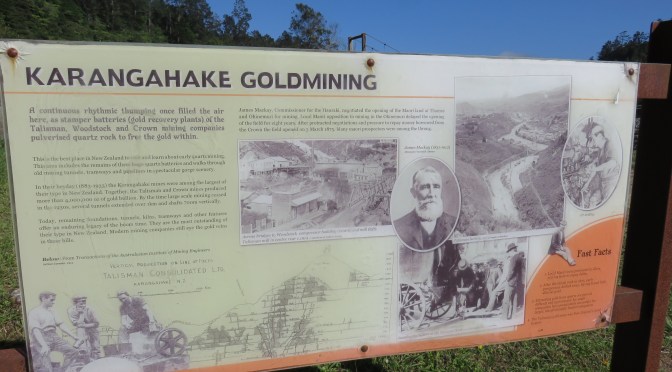
A continous rythmic thumping once filled the air here, as stamper batteries (gold recovery plants) of the Talisman, Woodstock and Crown Mining Companies pulverised quartz rock to free the gold within.” (taken from an information board at the beginning of the walk)

Much of the ore came from the steep sided Waitwheta Gorge and was then transported via aerial tramway across the gorge to the tramway and delivered to the stamping battery where it would undergo a series of crushings to extract the gold and silver which was then smelted into bullion bars.  The Talisman and Crown Mines were two of the largest of their type in New Zealand and together produced in the region of four million ounces of gold bullion.

The following are some of the photographs taken during our time exploring the industrial archaeology of the Karangahake Gorge.

img_1702
All that remains of the Talisman powerhouse on the banks of the Ohinemuri River.

img_1703
Several phases of building are present at the Talisman powerhouse – here you would have found the boilers and air compressors that powered the machinery for the battery and mines.

img_1707

img_1708
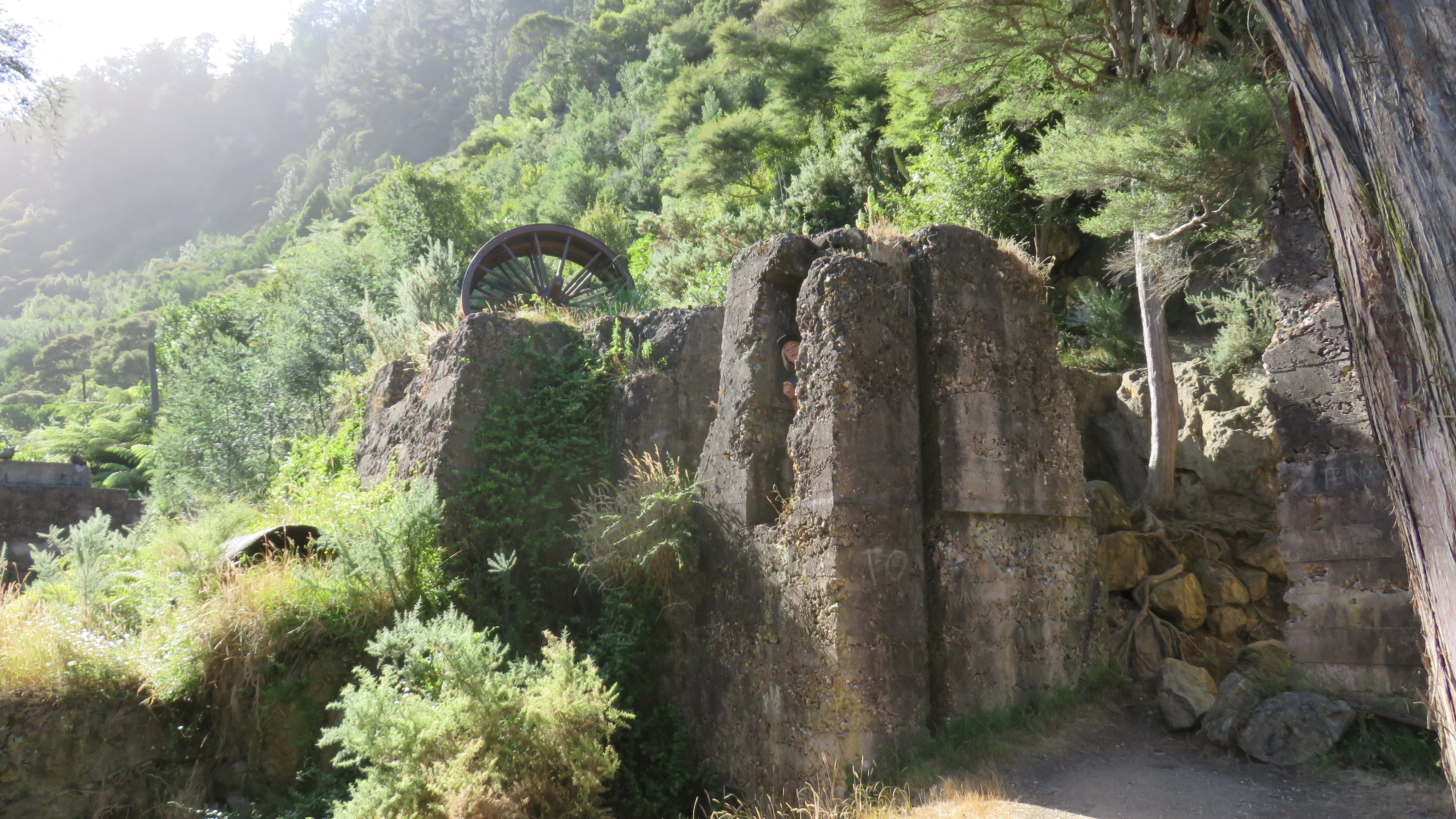
Remains of the Woodstock Battery, note the water wheel for powering the stamping machine.

img_1711
Woodstock battery.

img_1712
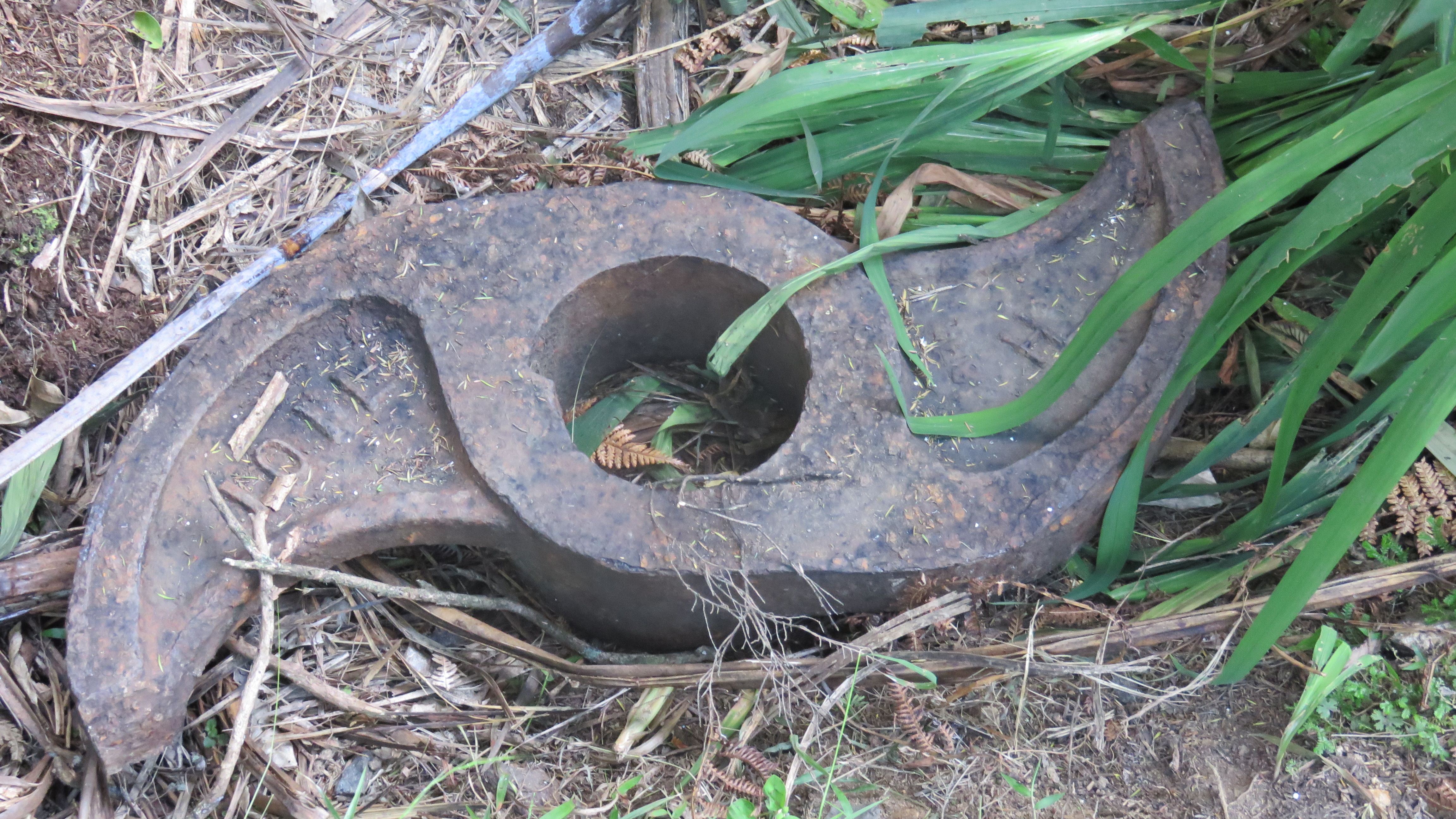
These can be found lying all along the route, heavy cast iron crushers for pulverising the quartz.

img_1713
Woodstock battery.

img_1718
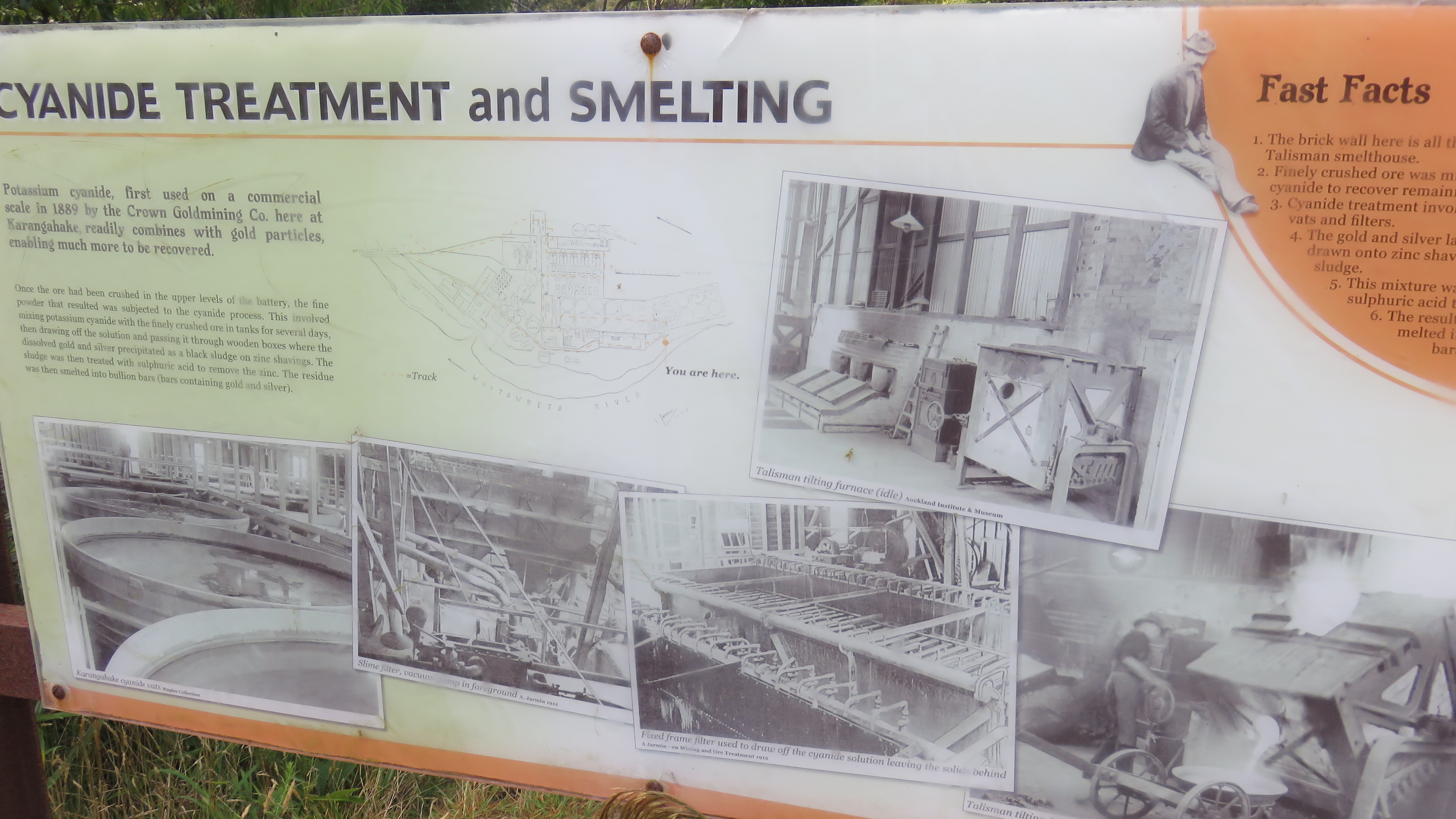
To increase yields potassium cyanide was used to remove even the smallest particles of gold and silver from the ore.

Once the ore had been crushed in the upper levels of the battery the fine powder that resulted was subjected to the cyanide process.  This involved mixing potassium cyanide with the finely crushed ore in tanks for several days then drawing off the solution and passing it through wooden boxes where the dissolved gold and silver precipitated as a black sludge on zinc shavings.  The sludge was then treated with sulphuric acid to remove the zinc.  The residue was then smelted into bullion bars (of gold and silver)” – From the above information board.

img_1719
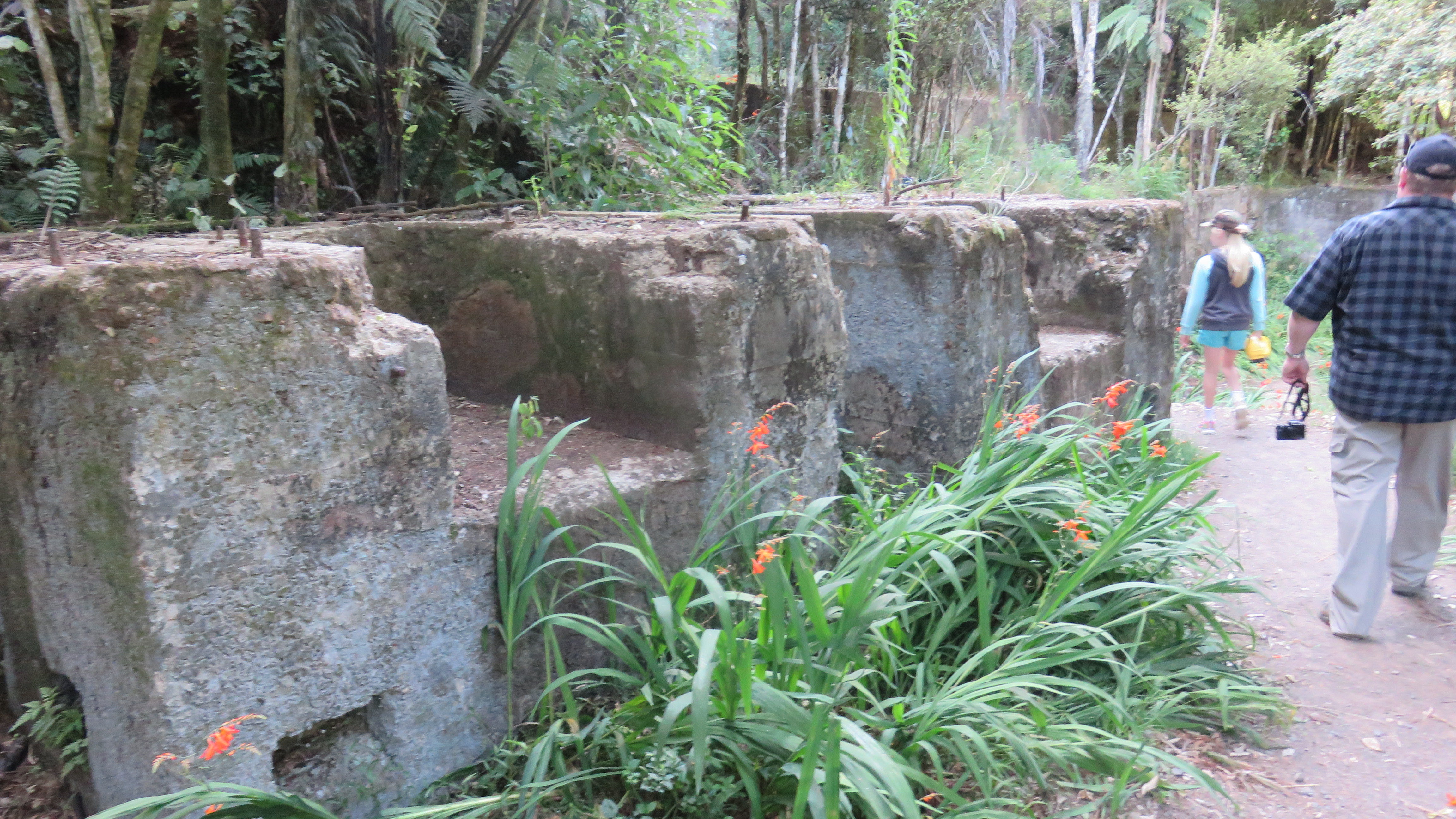
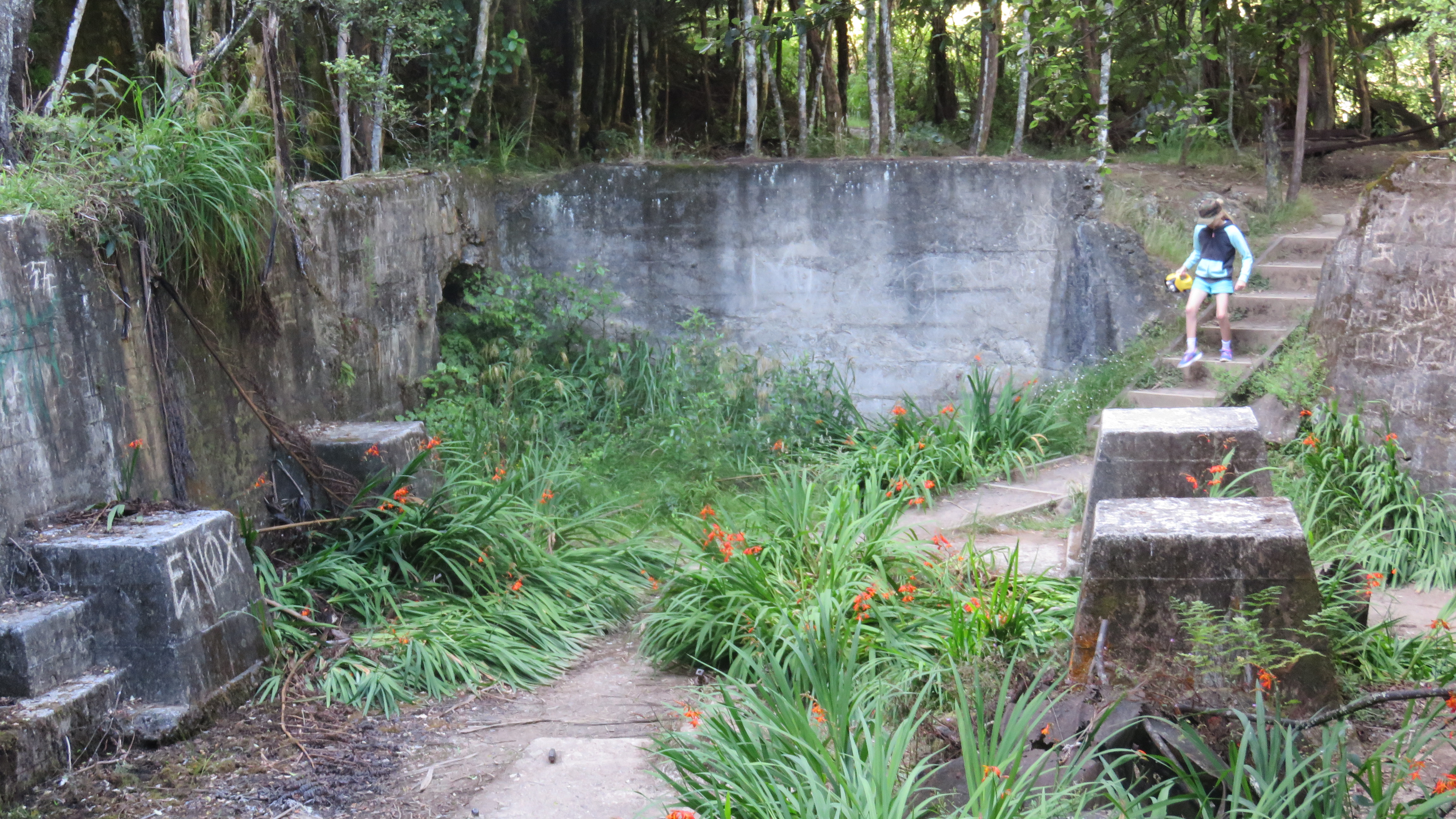
Remains of the tanks where the powdered ore would be treated with cyanide.


One of the main features of the Windows Walk is the tramway, part of which goes through the side of the gorge (a torch is a must if you do this walk).  In its heyday, the ore was transported via tram but because of the steep sides of the gorge a trail had to be cut out of  and through the rockface.

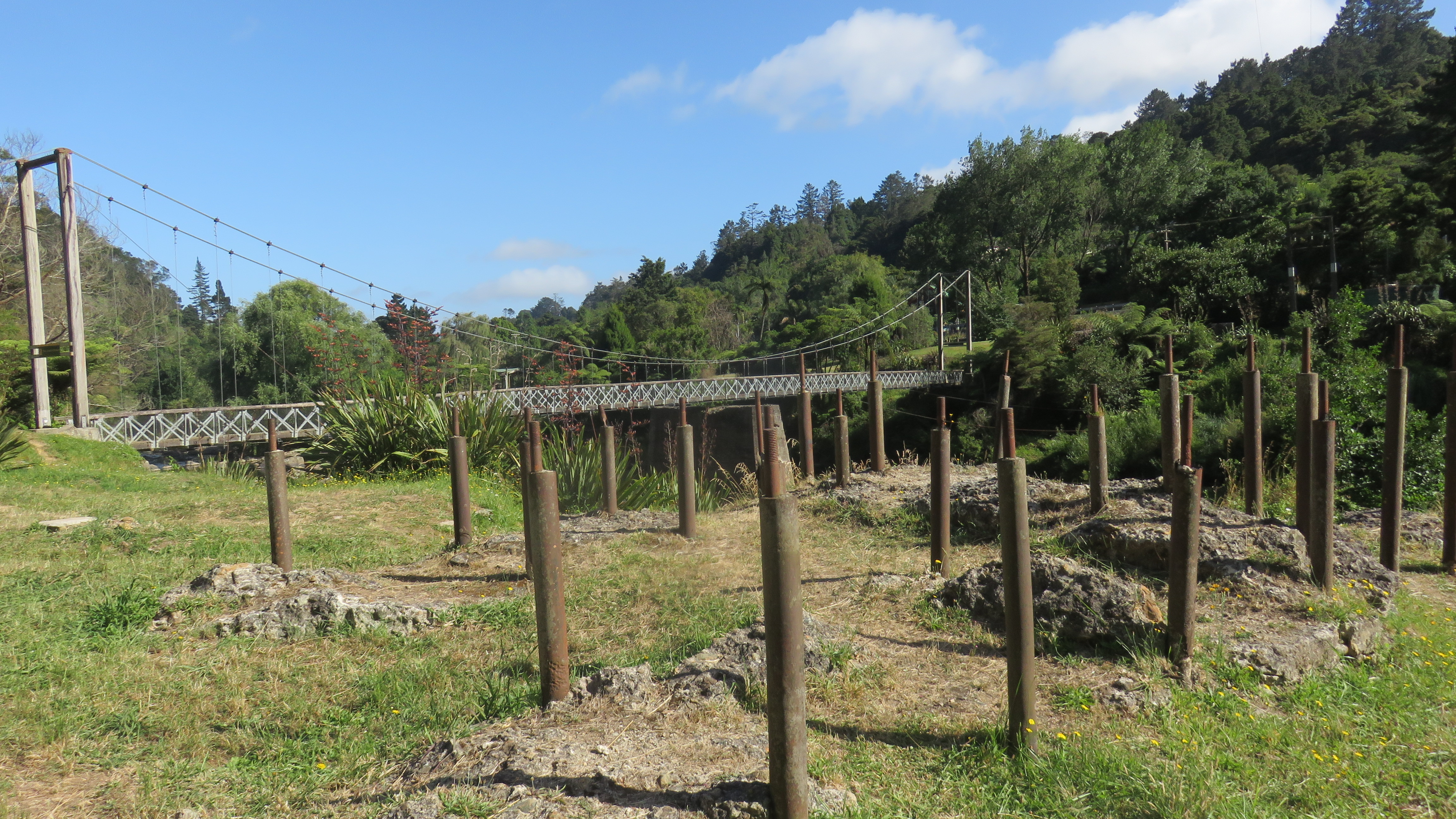
A bit further on from the modern suspension bridge is the remains of the Crown  Mine.

img_1746
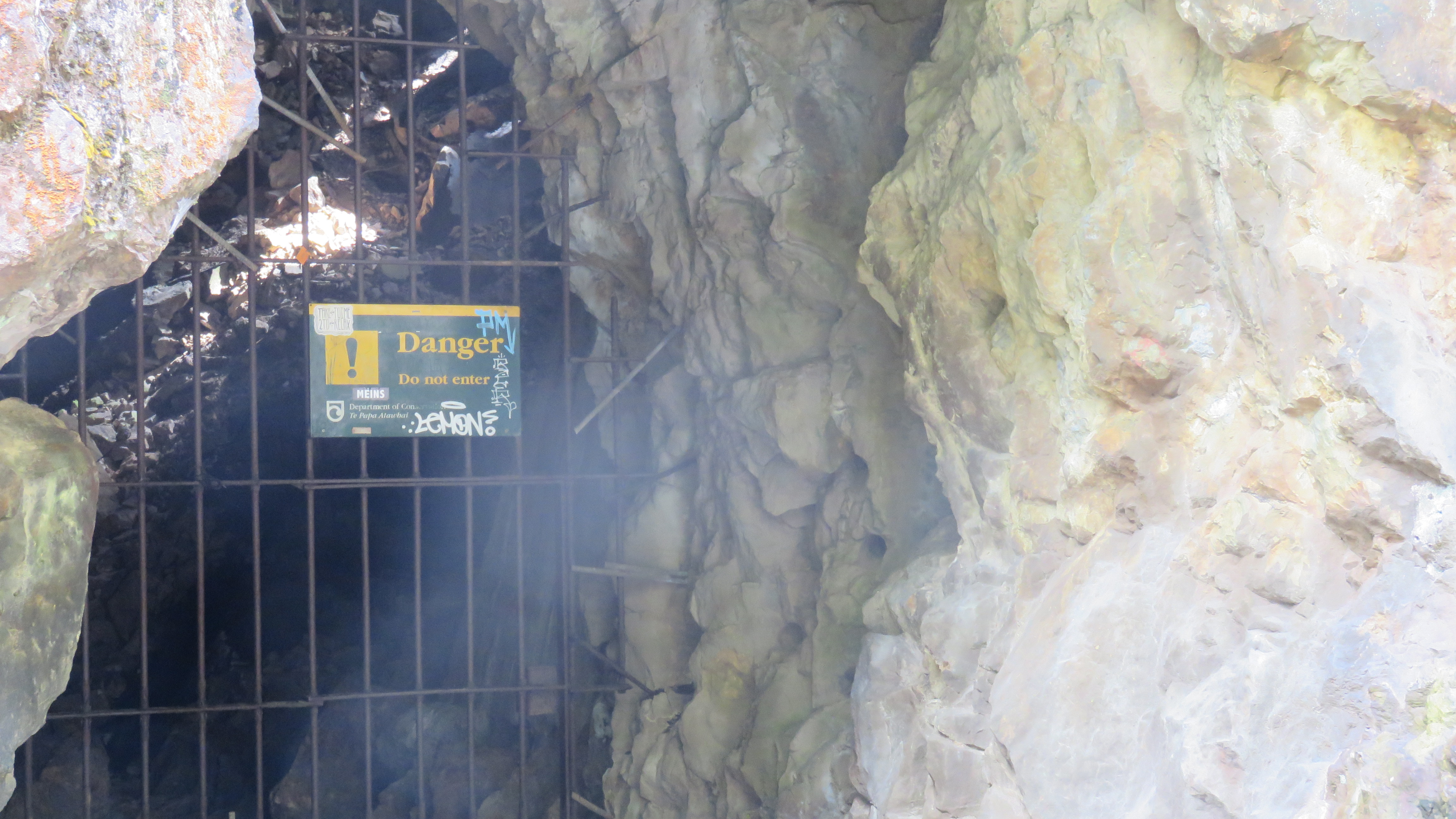
The entrance to the Crown Mine

img_1748
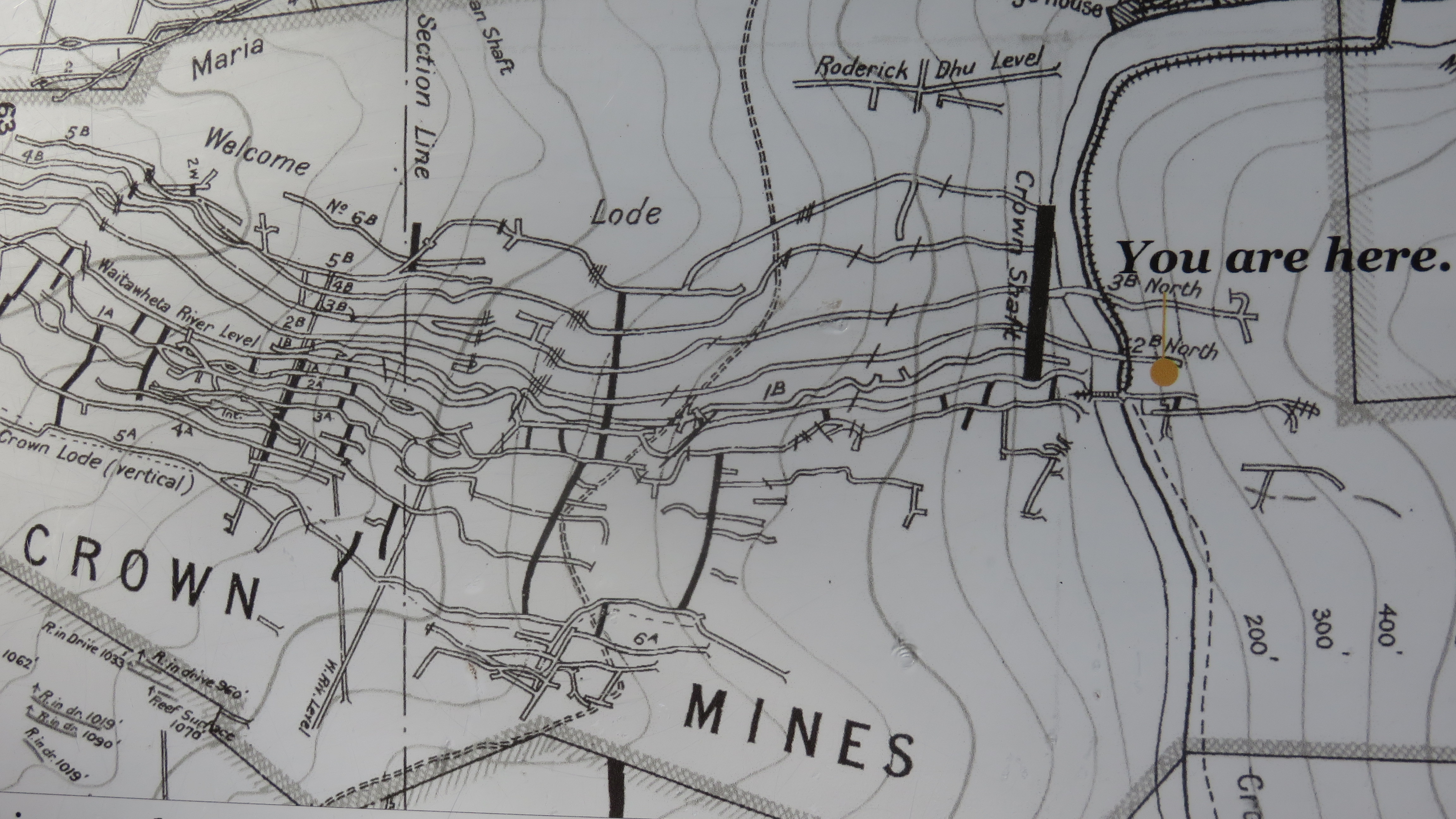
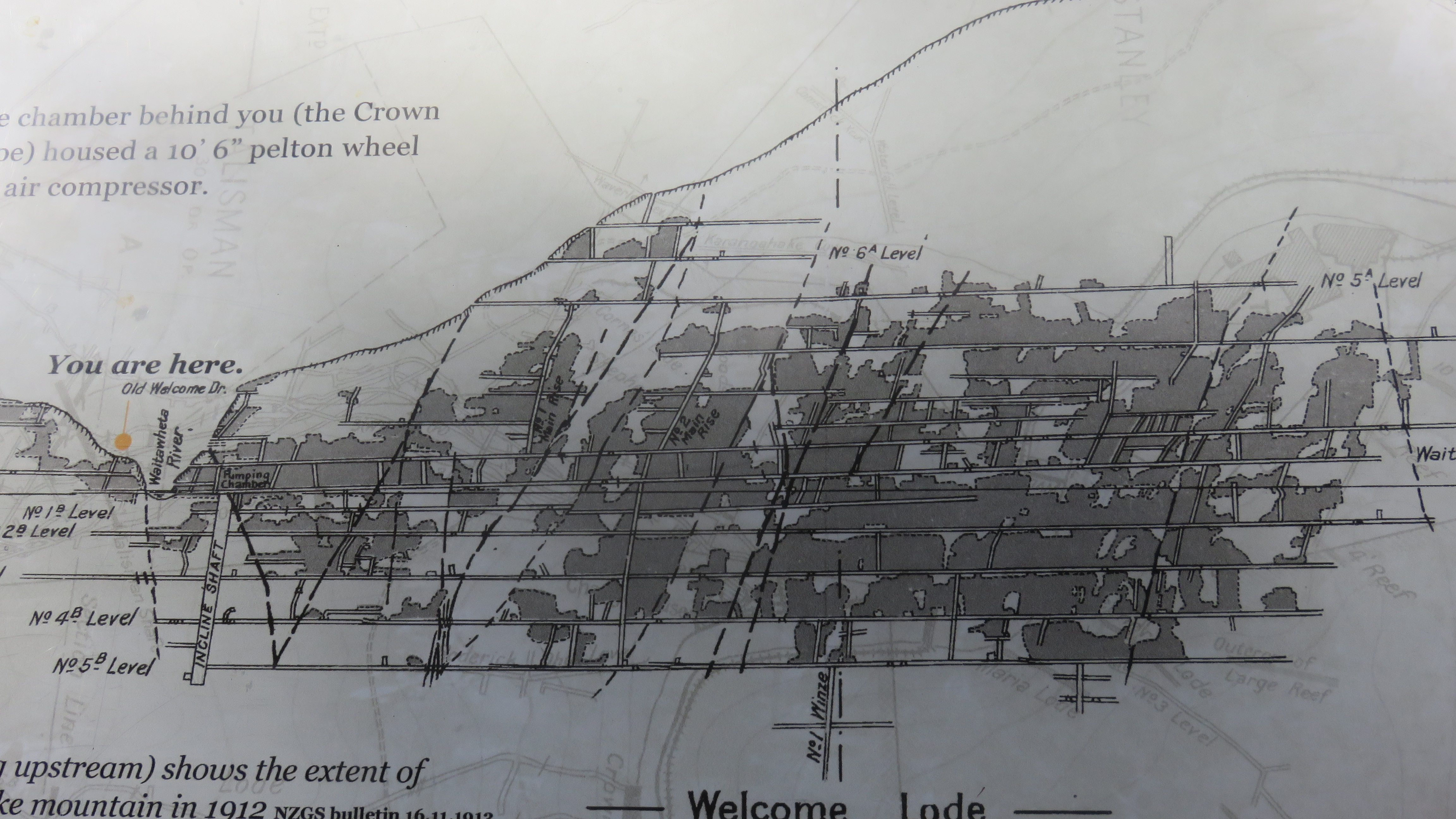
Drawing showing the extent of the Crown Mine in the Waitawheta Gorge.

img_1749
Side view of the mine workings through the gorge.

img_1743
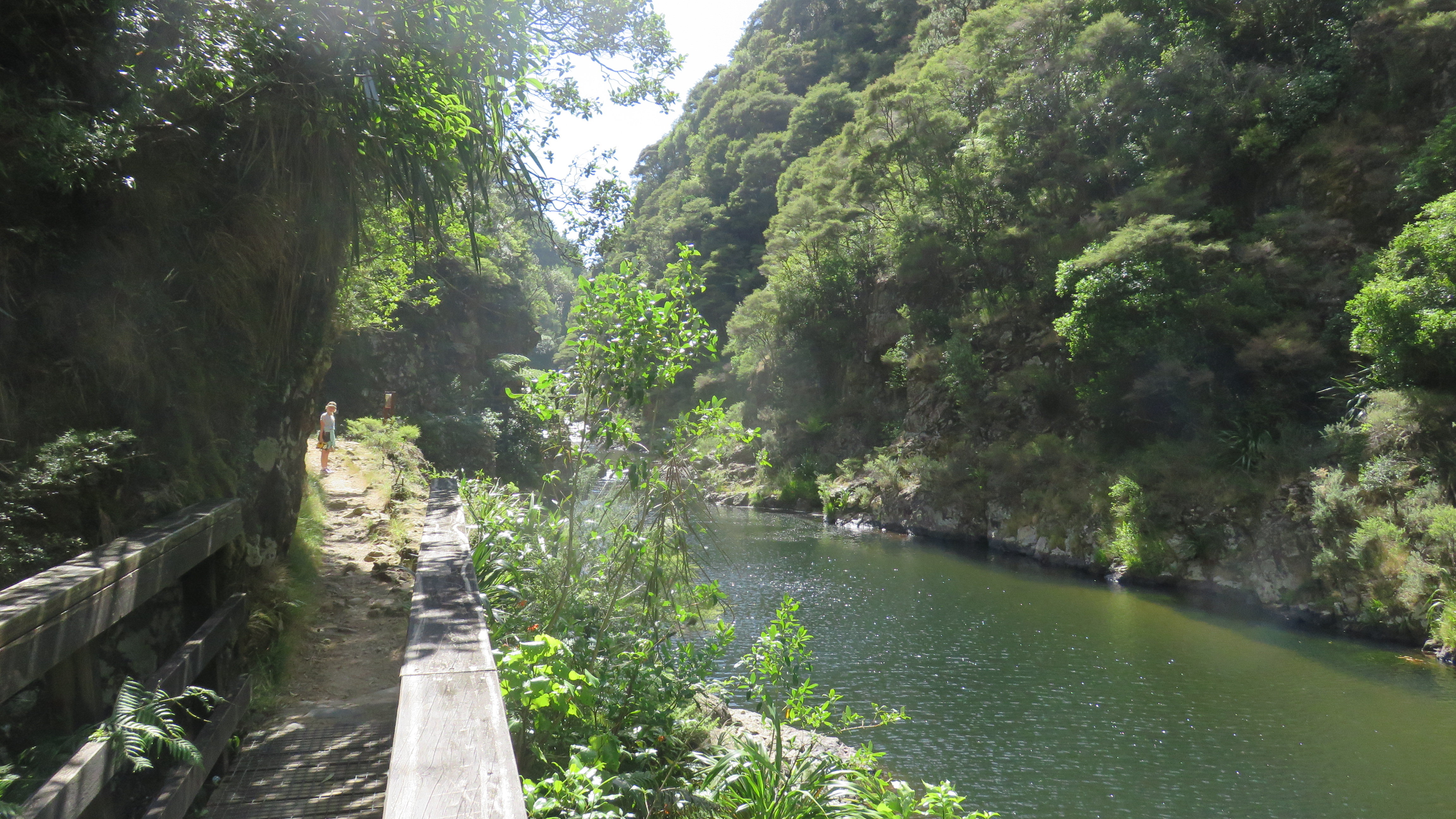
The now peaceful view which was once dominated by the Crown Mine operations.

Today goldmining in the area is representated by the large open cast mine in nearby Waihi with the now defunct Cornish Pumphouse from the earlier 19th Century Martha Mine standing ever watchful over.


For more information –

Department of Conservation – Karangahake Gorge

Ohinemure Regional History Journal – Historic Karangahake Gorge

Waihi – Gold Discovery Centre

Waihi –  History and Heritage

Early Archaeology in Auckland – Ōtuataua Stonefields.

There are not many places within the city of Auckland where a person is able to get up close and personal with the early archaeology of the region, but the Ōtuataua Stonefields is one such place.  Although this small pocket is classed as a protected site, it is part of a much wider area called Ihuamāto which sadly is under threat by developers.  The stonefields did not exist in isolation and whilst the archaeology is not obvious  to the untrained eye, it is undoubtedly there.  It would be shameful if the council allowed work to proceed with out a full archaeological investigation.  In general attitudes in New Zealand towards archaeology is a case of “there’s not a lot of archaeology here” with the implication because we do not have the lengthy timeframes as elsewhere in the world it is not as important.  But this is erroneous and a result of a lack of knowledge –  there are over 70,000 archaeological sites listed in New Zealand…The stonefields and Ihuamāto are an important part of New Zealand’s very early history and to say otherwise would deny a people their past and demonstrate a dismal lack of understanding.

otuataua
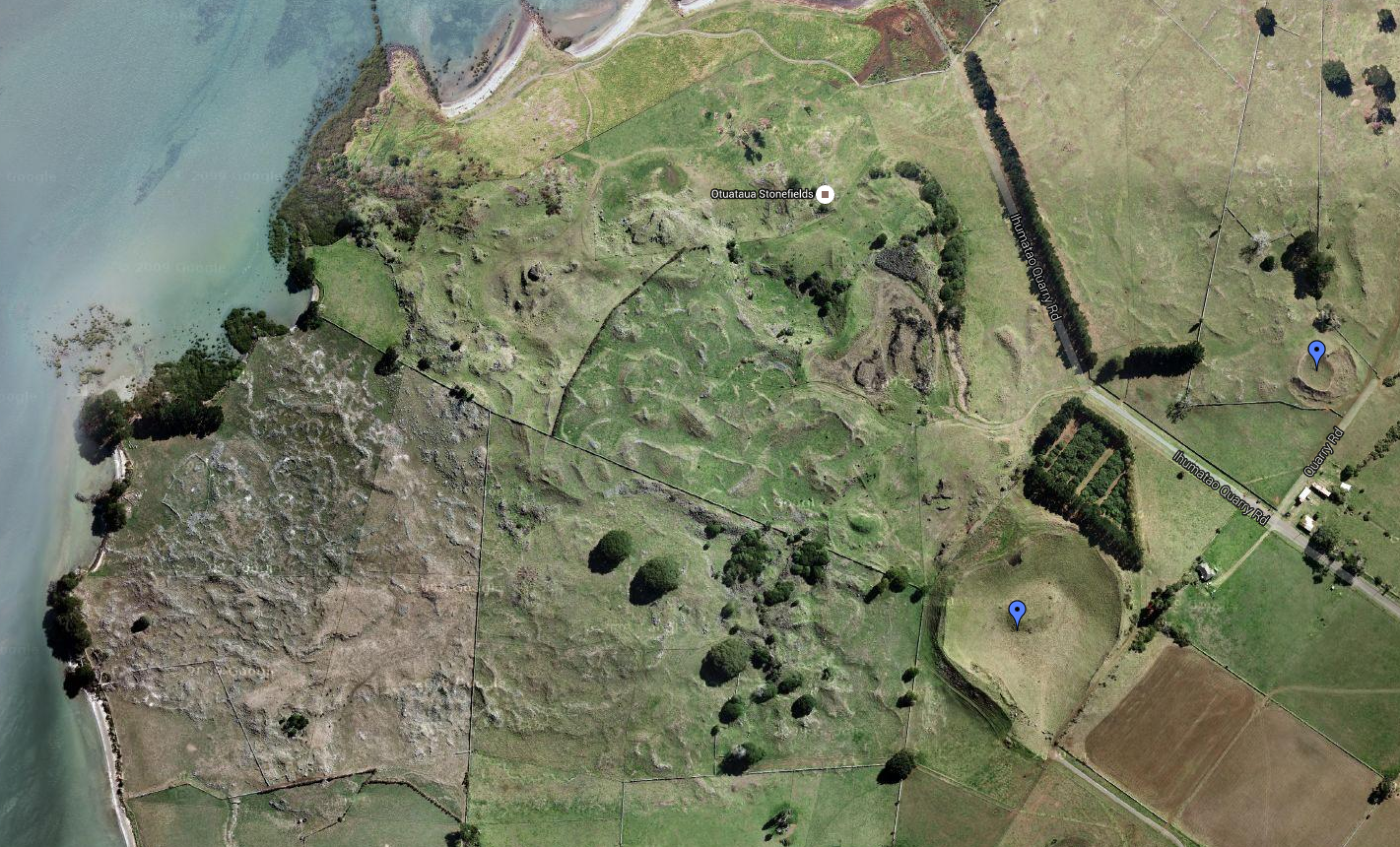
Aerial view of the stonefields – the pale lines are stones piled along the natural ridges.

The story of this landscape begins much further back in time with three significant eruptions and subsequent lava flows that began some ninety thousand years ago and ended around fifteen thousand years ago. As with much of the isthmus of Tamaki Makaurau Auckland the volcanic activity served to create rich, well drained soils ideal for gardening.

Two hundred years ago there were some 8000 hectares of volcanic stonefields in the Auckland area, today the 100 hectare reserve of Ōtuataua is all which remains.  Dated to around 1300AD and situated near the international airport the reserve was established in 2001 to protect this important part of the archaeological record and is one of the last places where we can see large scale remains of how people once lived and worked in the volcanic areas of Auckland.

When the first Polynesians arrived in Aotearoa they bought with them the full range of tropical plants however the shorter growing season and colder temperatures meant that many of these tropical plants could not be grown.  Only plants such as the kumara (sweet potato), taro, yams and gourds had any success, particularly in the volcanic stonefields of Auckland.

There are two opposing theories as to how the settlement and gardens evolved at Ōtuataua –

  1. The initial focus was around the freshwater springs at the edge of the lava fields which then expanded to the volcanic cones later in the mid fourteenth to fifteenth centuries.
  2. Horticulture began on the volcanic cones and expanded outwards onto the lava fields; with the fortification of the cones occurring at a later date.

At Ōtuataua it is possible to see low mounds of the volcanic scoria stone scattered throughout an area referred to as the mound garden used mainly to grow kumara they extended the growing season by about a month.

“The mounds were built as special garden plots, which used the stone’s heat absorbing properties to help warm the earth and retain moisture.  Archaeologists have found that these types of mounds often contain specially modified soil, with added organic matter and ground shell.”

(from ‘The Ōtuataua Stonefields – Official Opening Commemorative Brochure’ Manukau City Council)

img_0060
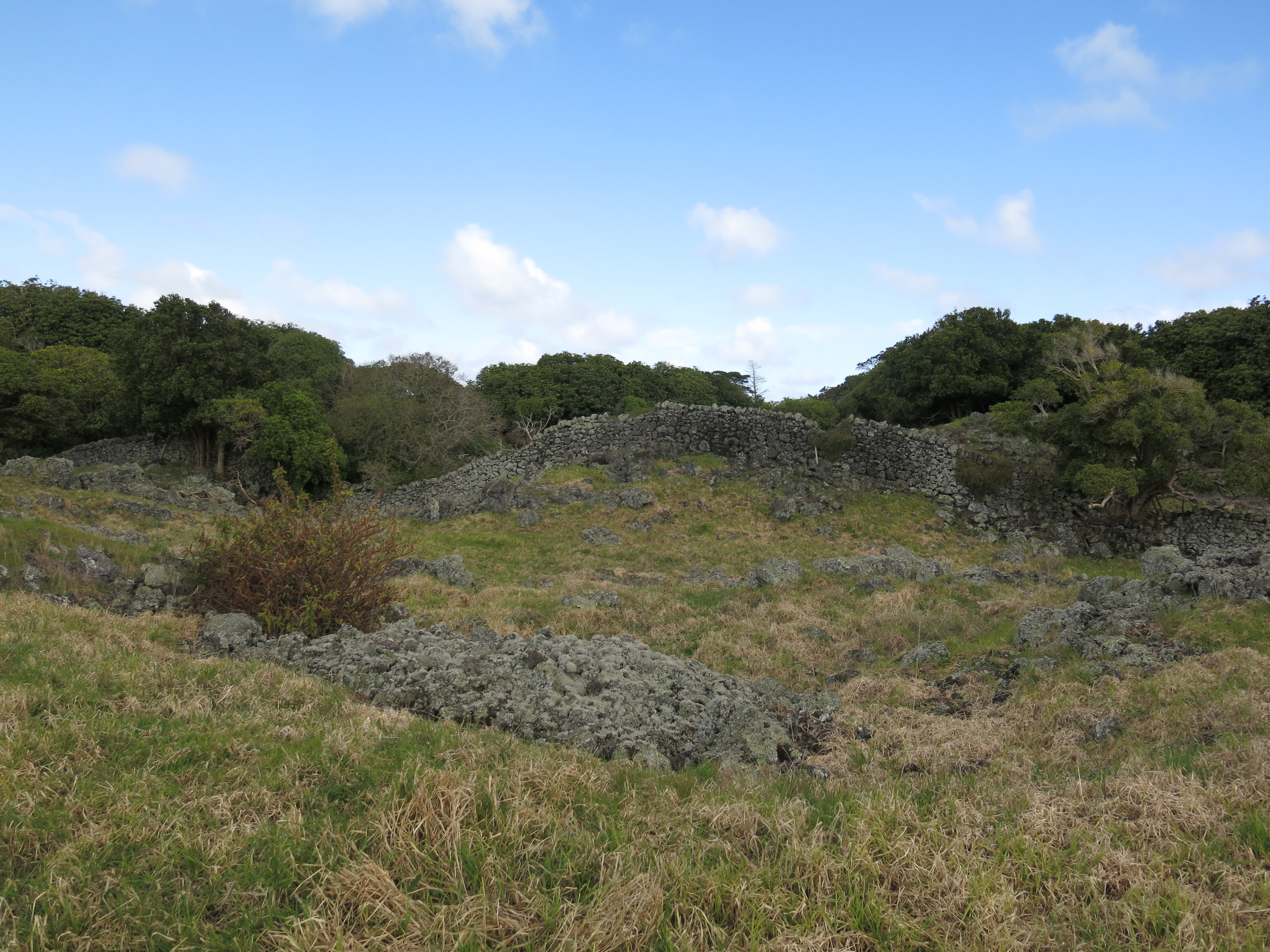
The mound garden looking towards the later European dry stone wall.

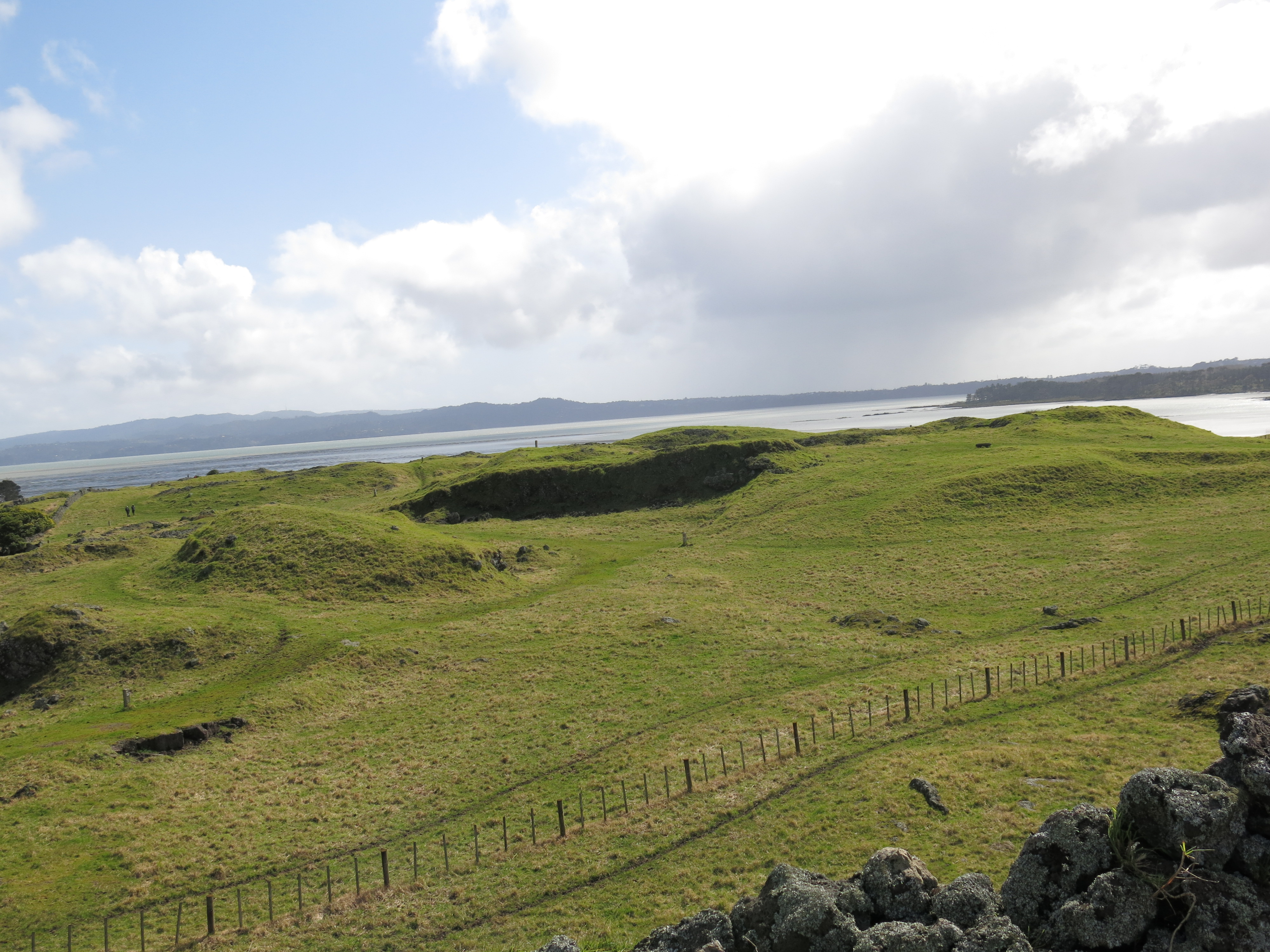
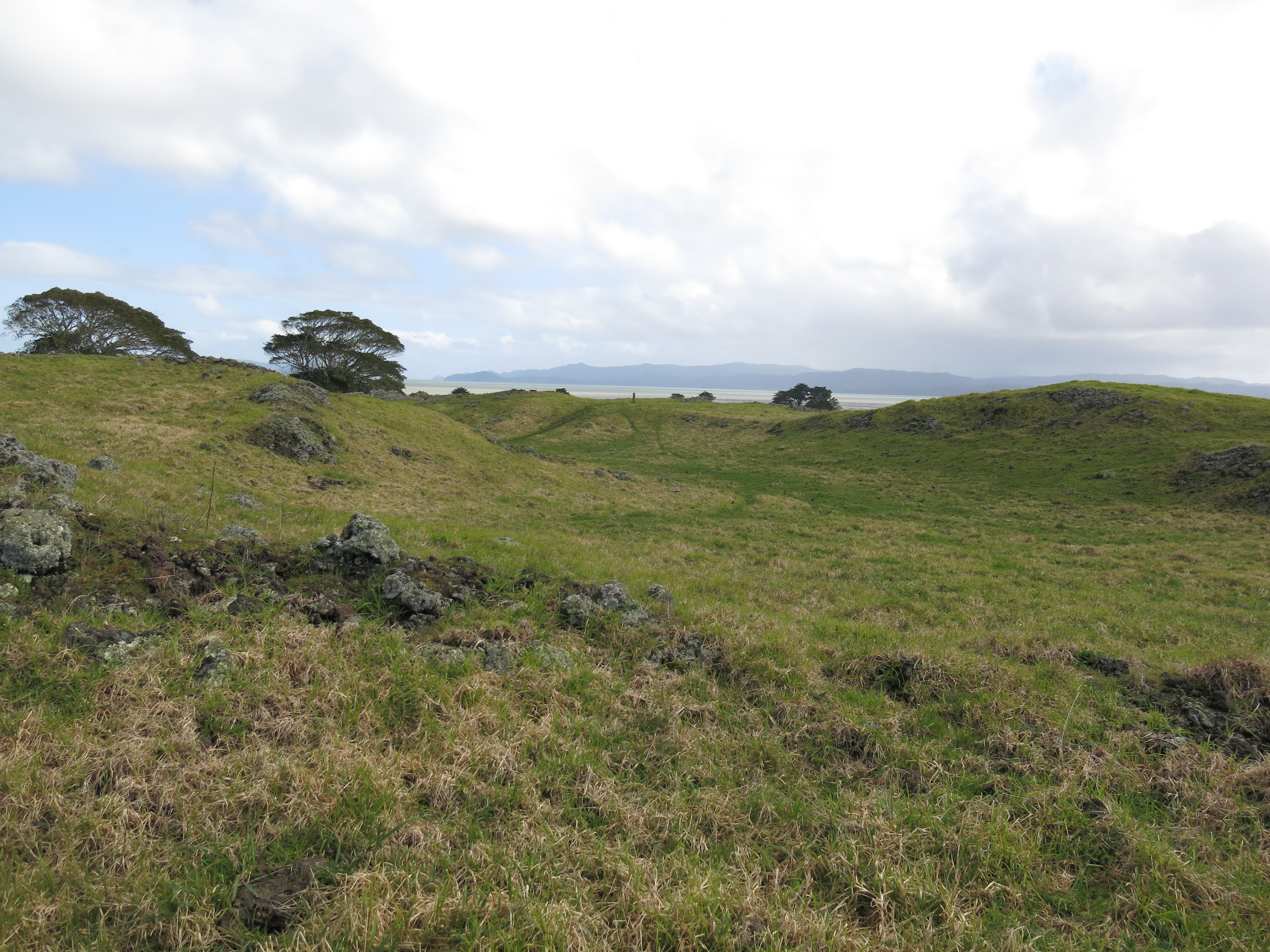
It is safe to say that there is probably not a single stone which has not been moved by human hands. Walking towards the sea, you come across an area of low hills and gullies. The gully floors seem unnaturally free of stone, here the stone has been stacked on top of the hillocks to leave the gully floors free for cultivation.

On nearby Puketūtū Island, similar gardens were once present (very little if nothing remains of them today). In 1938 G. Fairfield recorded being told by a kaumātua from Māngere that “…each cultivation and sheltering wall was named after a particular ancestor or historical event…giving family groups their rights to occupy certain parts of the garden. In the corners of each of these walls there were upright stones that were never moved and considered tapu as they marked the limits of each family unit.” (from Shfiting Grounds: Deep Histories of Tamaki Makaurau Auckland L. Mackintosh pp29)

It would be fair to say that the same was occurring at Ōtuataua and beyond, thus creating a landscape that was deeply intertwined with the identity of those who lived and worked upon it.

img_0061
The cleared gullies of the gardens as seen from the pā – the Manakau harbour in the background.
img_0058

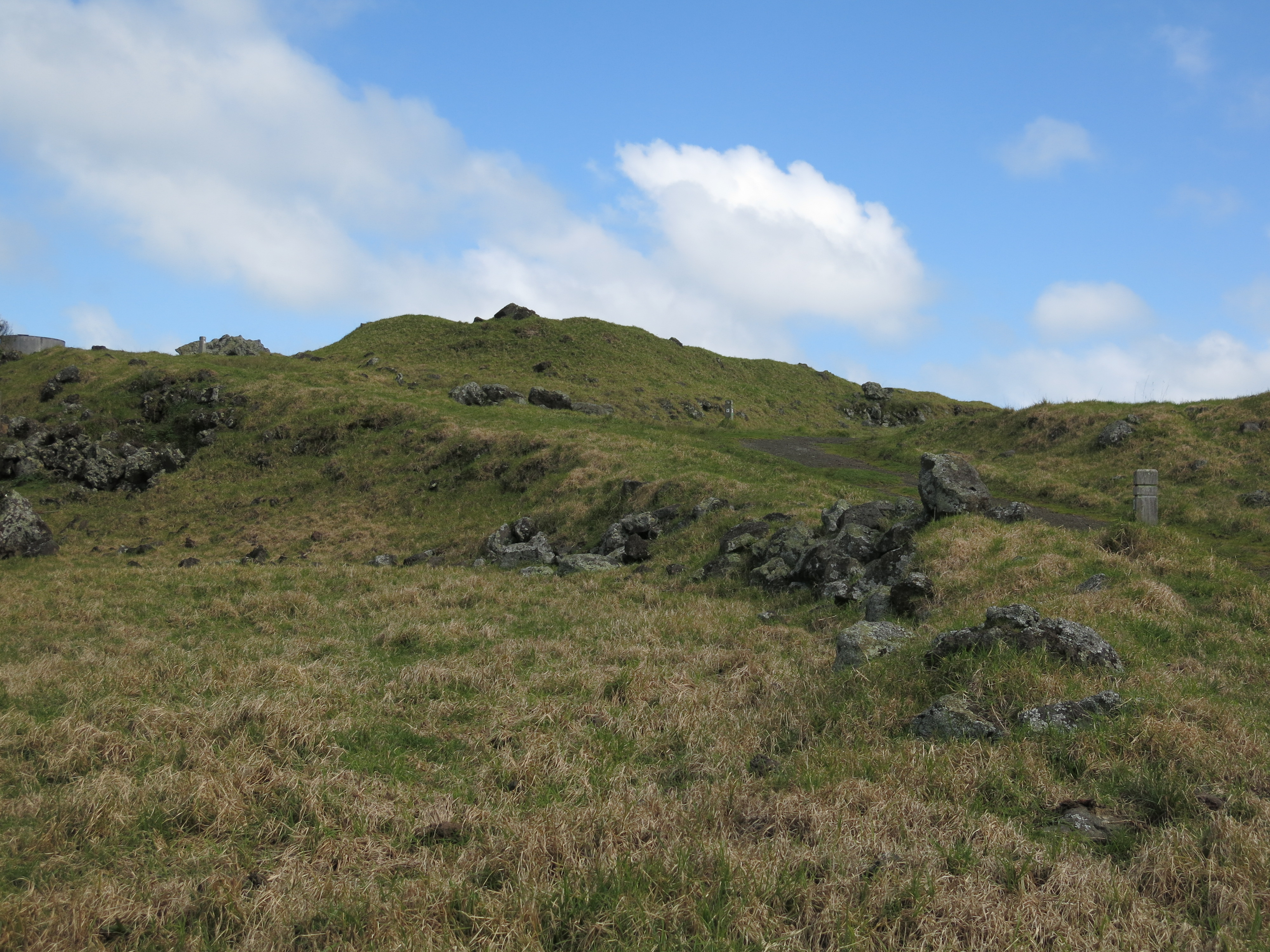
Other interesting archaeological features at Ōtuataua include the pā (hillfort or defended settlement) which utilised the volcanic cone.  Auckland has many volcanic cones, all of which were used and settled by the Māori throughout history.  Here at Ōtuataua it is no different. Unfortunately this particular cone has been extensively quarried for scoria before the site became a reserve resulting in the loss of a large part of the pā. However, it is still possible to make out the terraces on the southern side – these are the level areas cut into the lower slopes and were where Māori lived.


Although the presence of a defensive structure such as the pā would suggest a time of unrest much of the Ōtuataua area consists of undefended settlements and gardens which tells a different story. One which is often left out of the histories. Past interpretations of pā have seen them as solely defensive structures used during periods of warfare and whilst this may be true on one level, it is likely that similar to the gardens, they represent more than the utilitarian. It has been recently suggested that pā could also have been part of the identity of the wider group/iwi, having a great deal to do with display and status (see another article on Kauri Point). When seen as a complete landscape the story of Ōtuataua becomes more than just gardens, houses and pā.

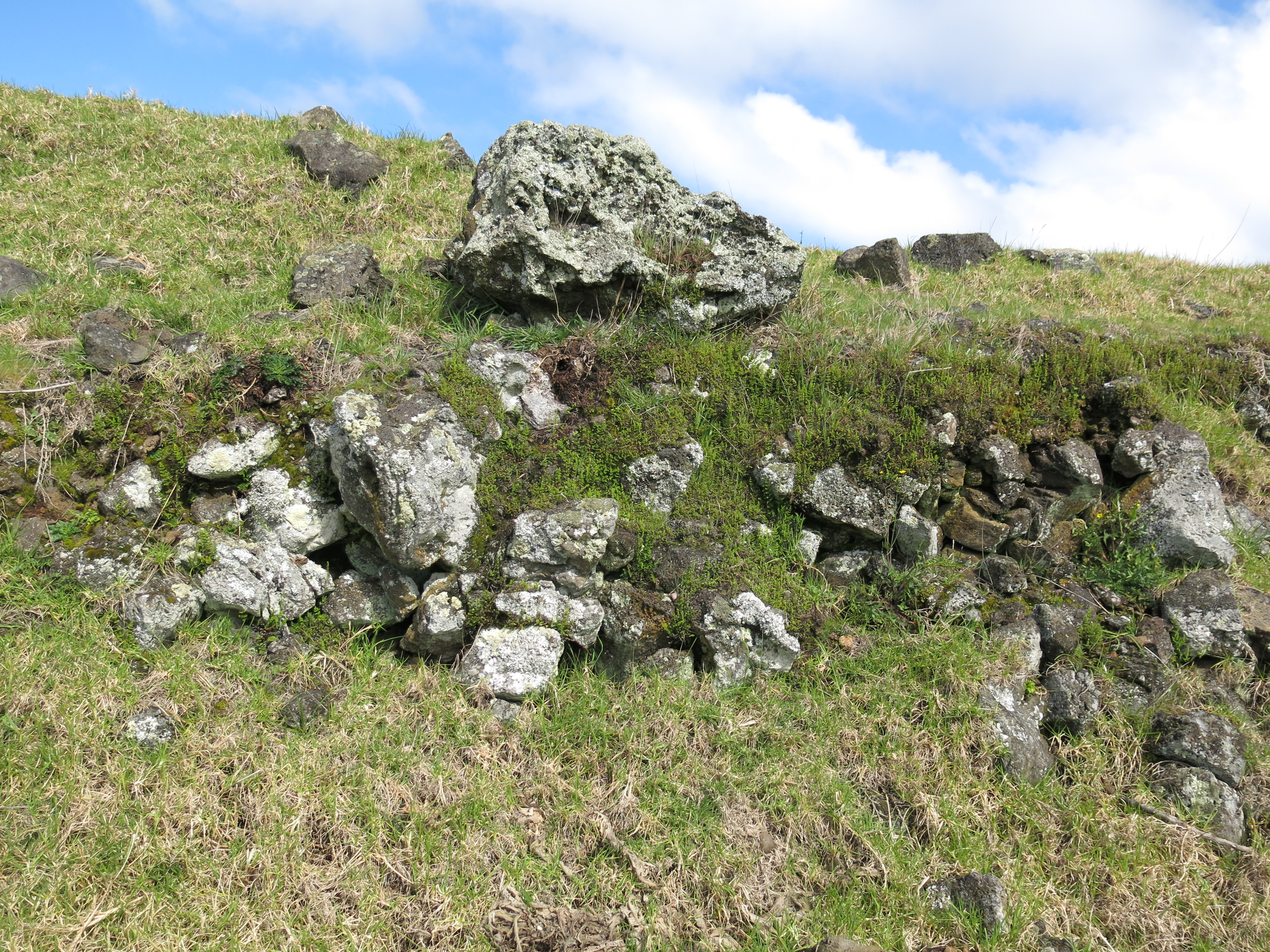
A second interesting feature is the site referred to as ‘The Big House’.  On an outcrop about half way between the mound garden and the gullies is a rectangular outline of stone.  This is believed to be the foundation of what was once a large house or structure, nearby are several shell middens.  Having never been excavated it is difficult to say what this structure was used for but the presence of the shell middens on the slopes below would indicate meals were eaten here.  Perhaps it was a communal place to share food whilst working in the gardens?

All over Ōtuataua shell middens can be found, not surprising given the proximity to the coast.  Fishing, shell fish gathering and horticulture were the mainstays of the local economy.

img_0063
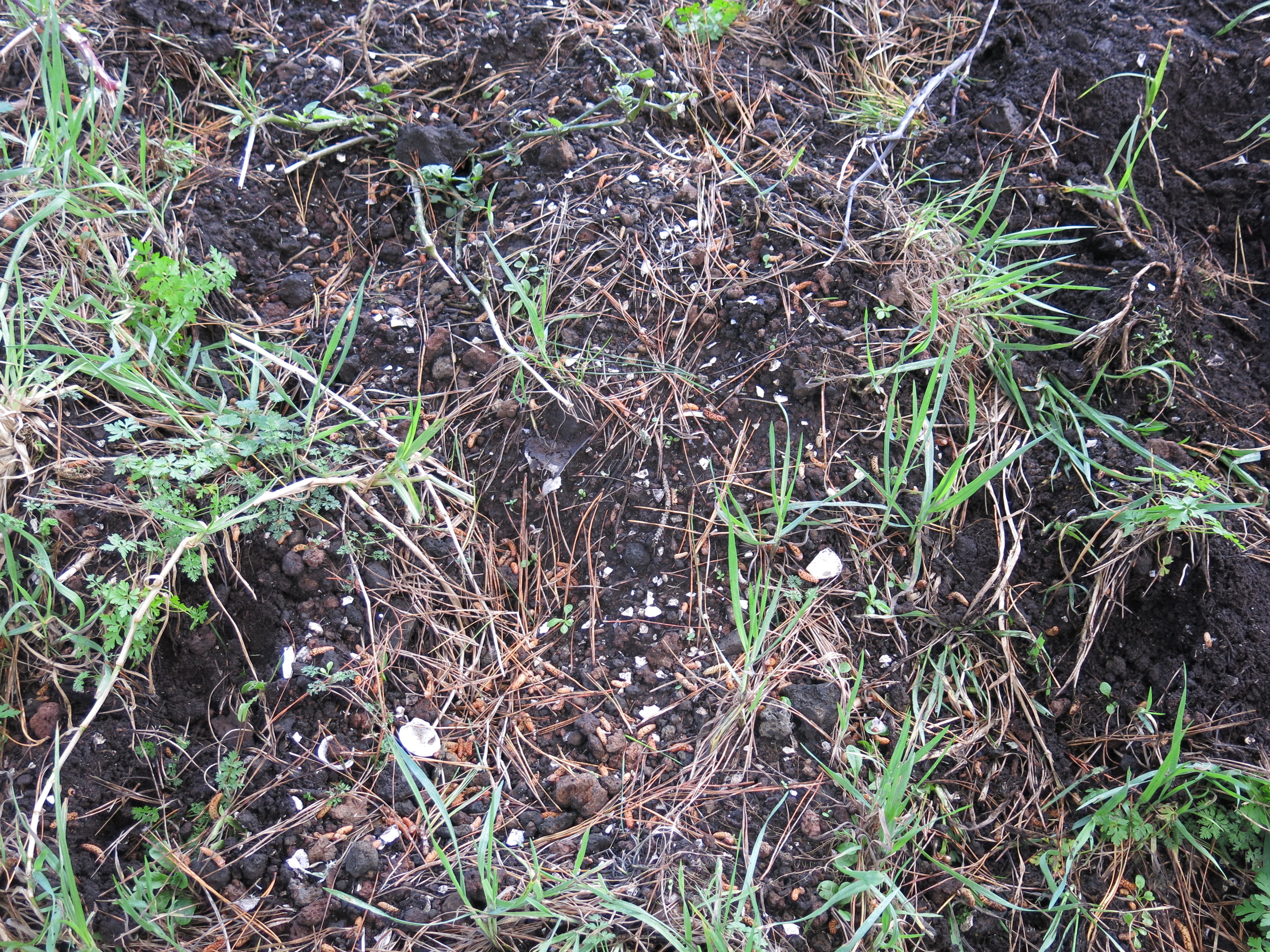
A shell midden – the small white flecks are pieces of shell, note the deep rich colour of the soil, perfect for growing crops.
img_0066
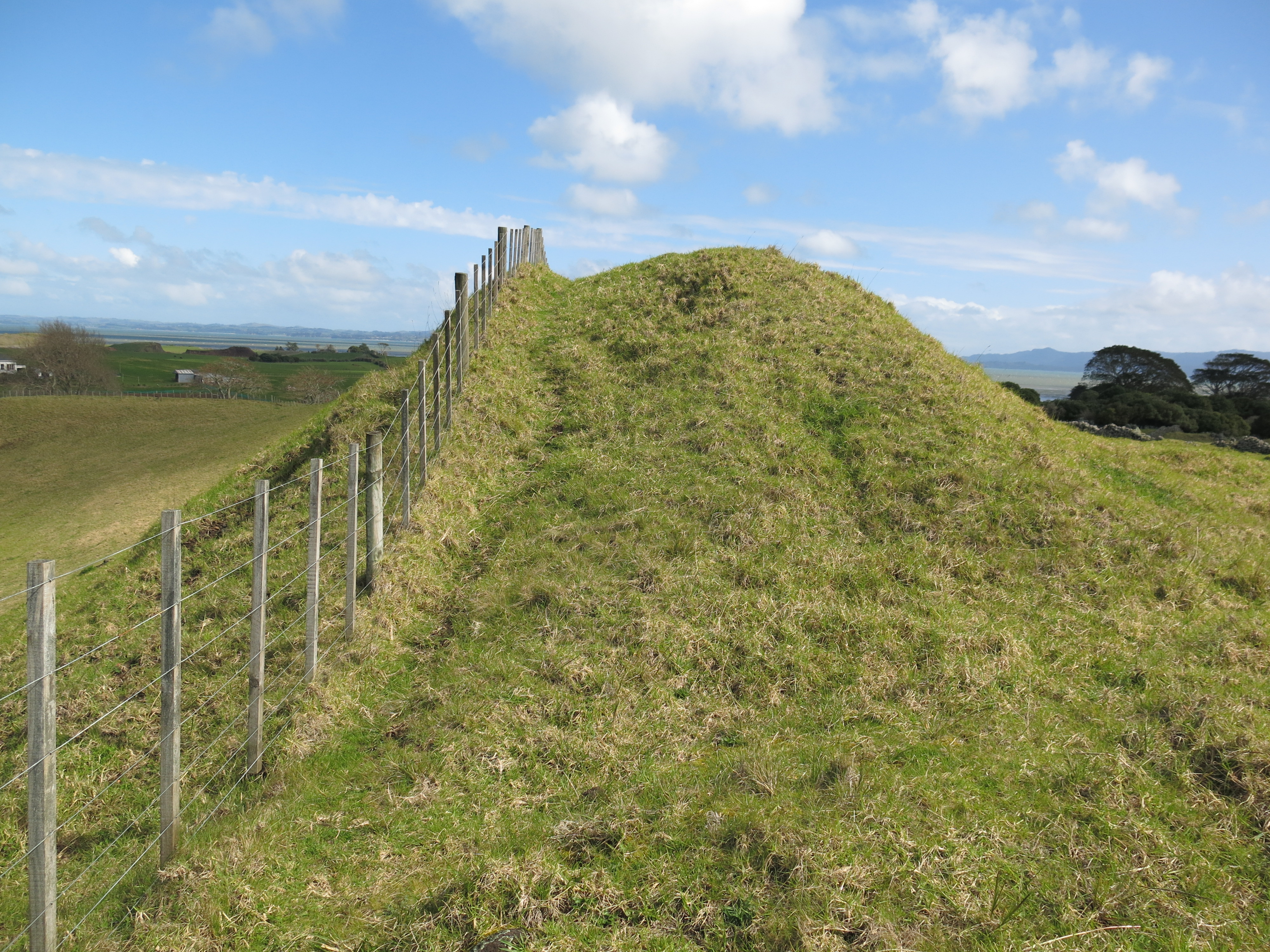
This large mound on the edge of the pā is a very substantial midden…

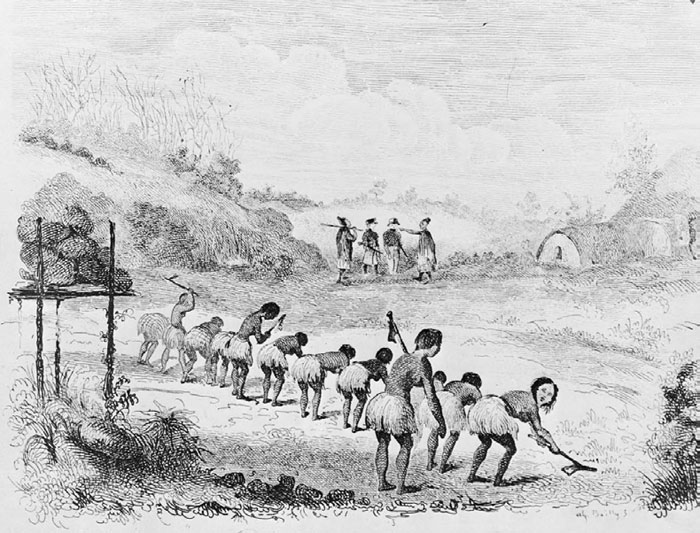
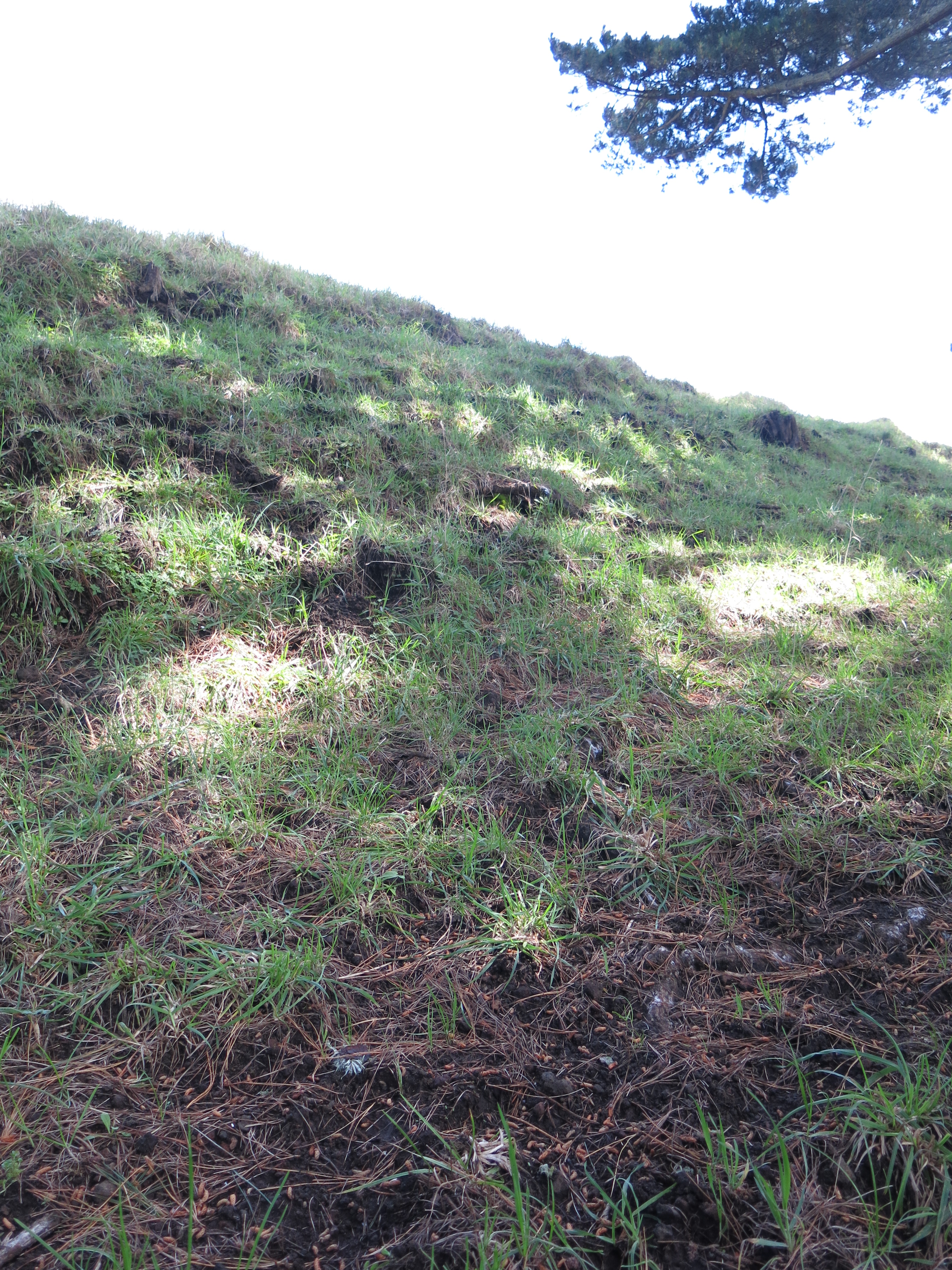
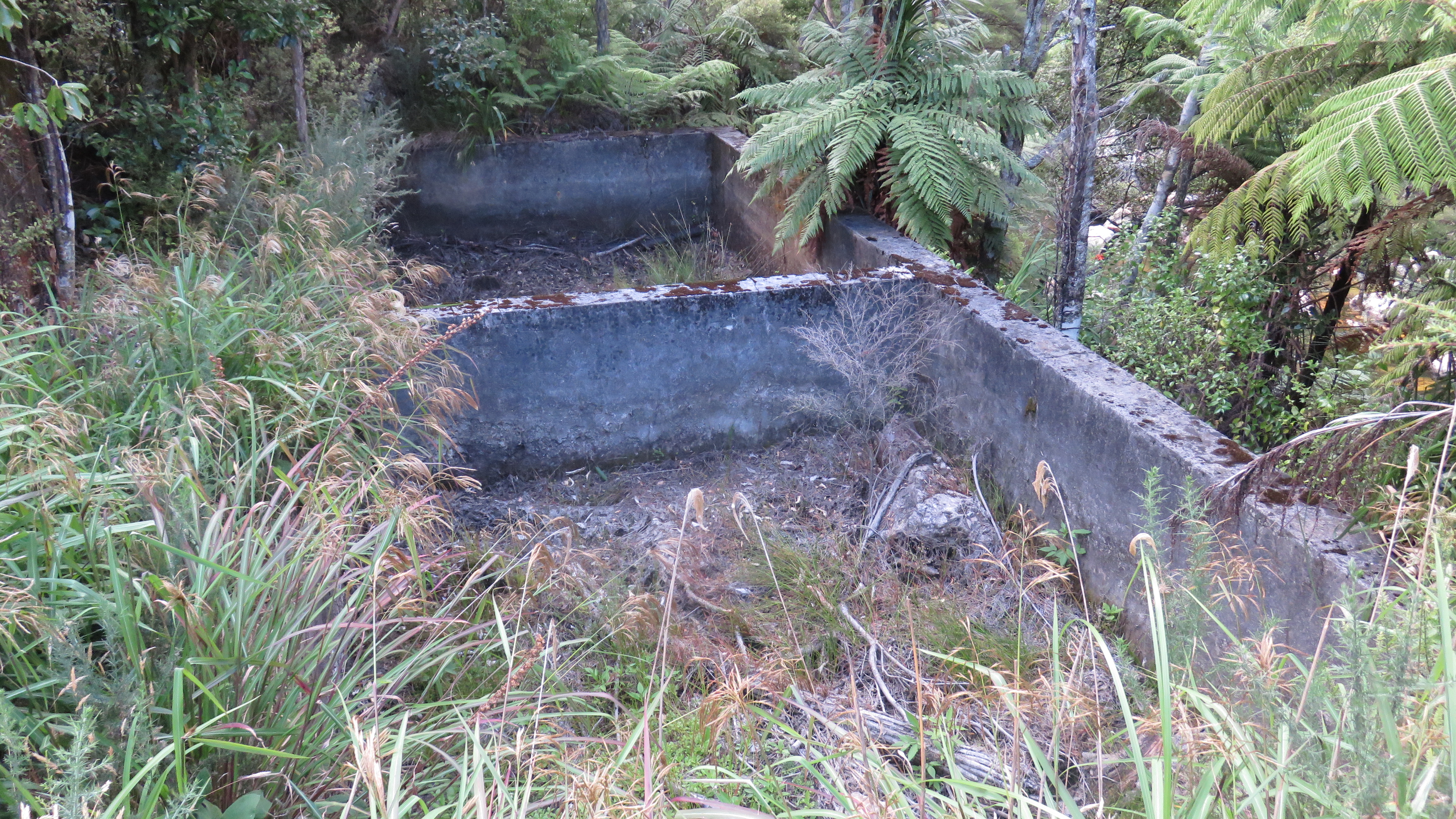
In Polynesia crops such as kumara are left in the ground until they are needed however here in New Zealand with its cooler climate the early settlers found they could not do this as the kumara will rot. Instead it became necessary to harvest the kumara and store it. At Ōtuataua the visitor will occasionally come across a shallow depression in the ground, roughly rectangular in shape and usually found on slopes or ridges (for good drainage).  These are all that remains of the storage pits for kumara.  Originally these pits would have had timber walls and thatched roofs.  It is interesting to note that the storage pits here at Ōtuataua are outside of the defended pā, further evidence that the people felt secure and safe here on the edge of the Manukau Harbour – war was not as endemic to Tamaki Makaura as previously thought.

a17369enz
A reconstruction drawing of how a kumara storage structure may have looked.


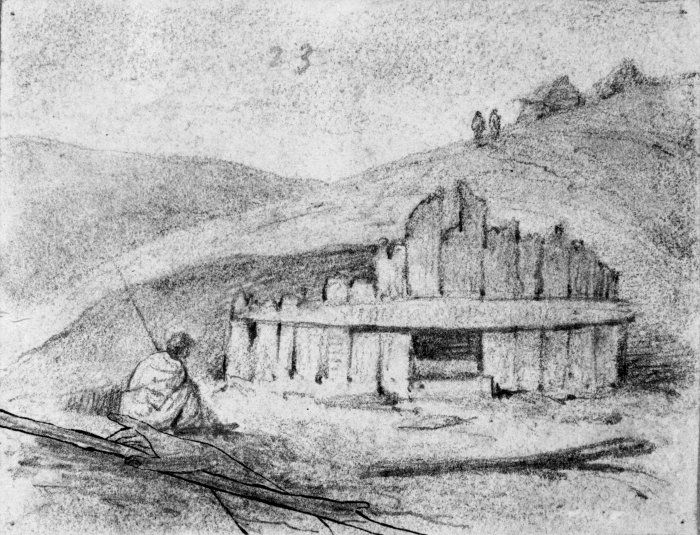
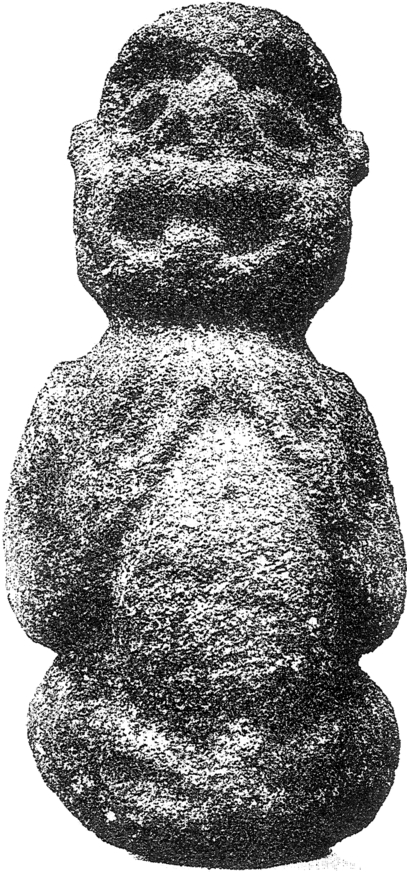
Above right is a depiction of a kumara storage pit with its timber frontage. On the left is a Rongo stone – these are representations of the god of agriculture and peace. They were considered tapu and left in the fields to encourage fertility of the land.

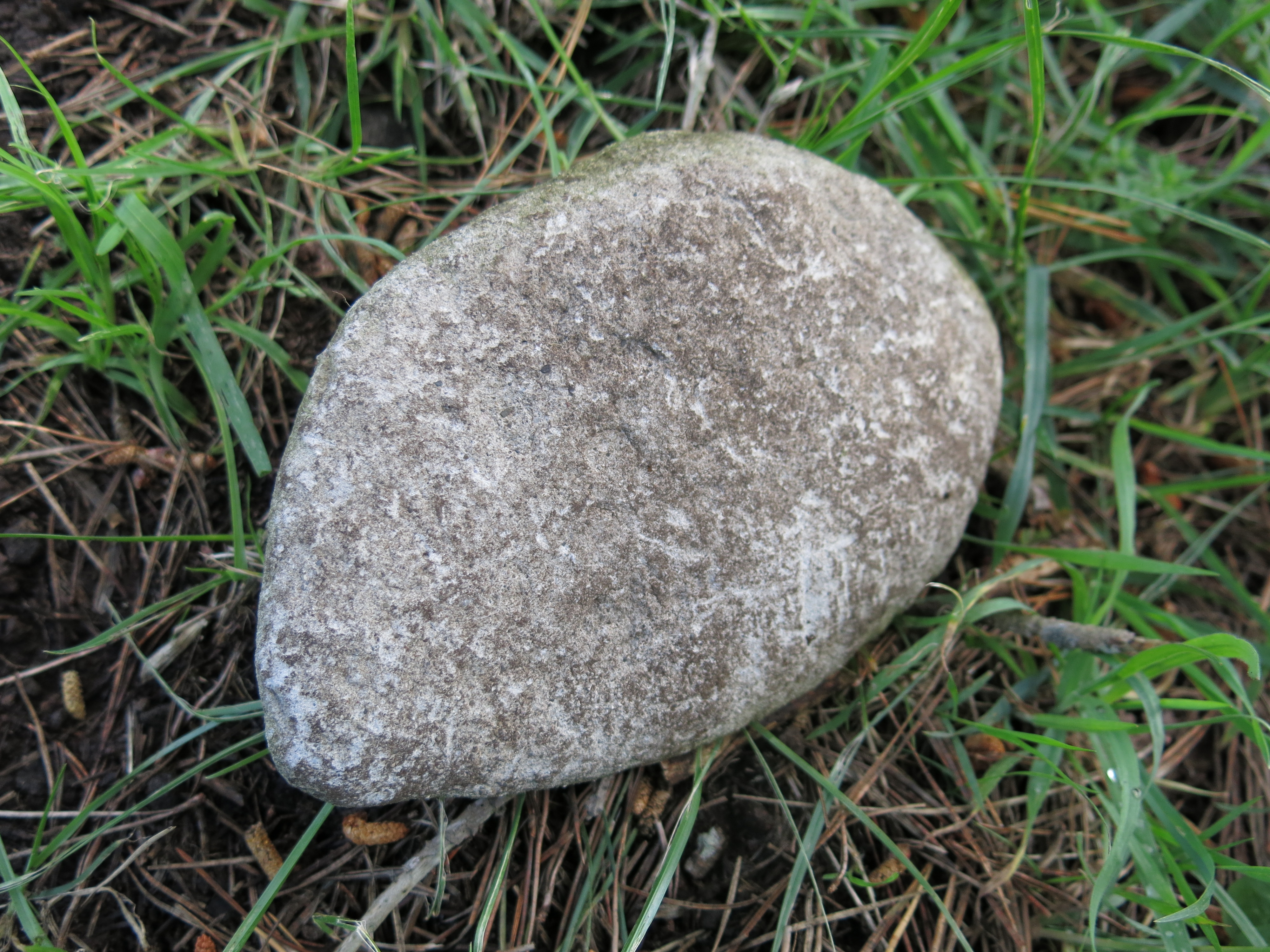
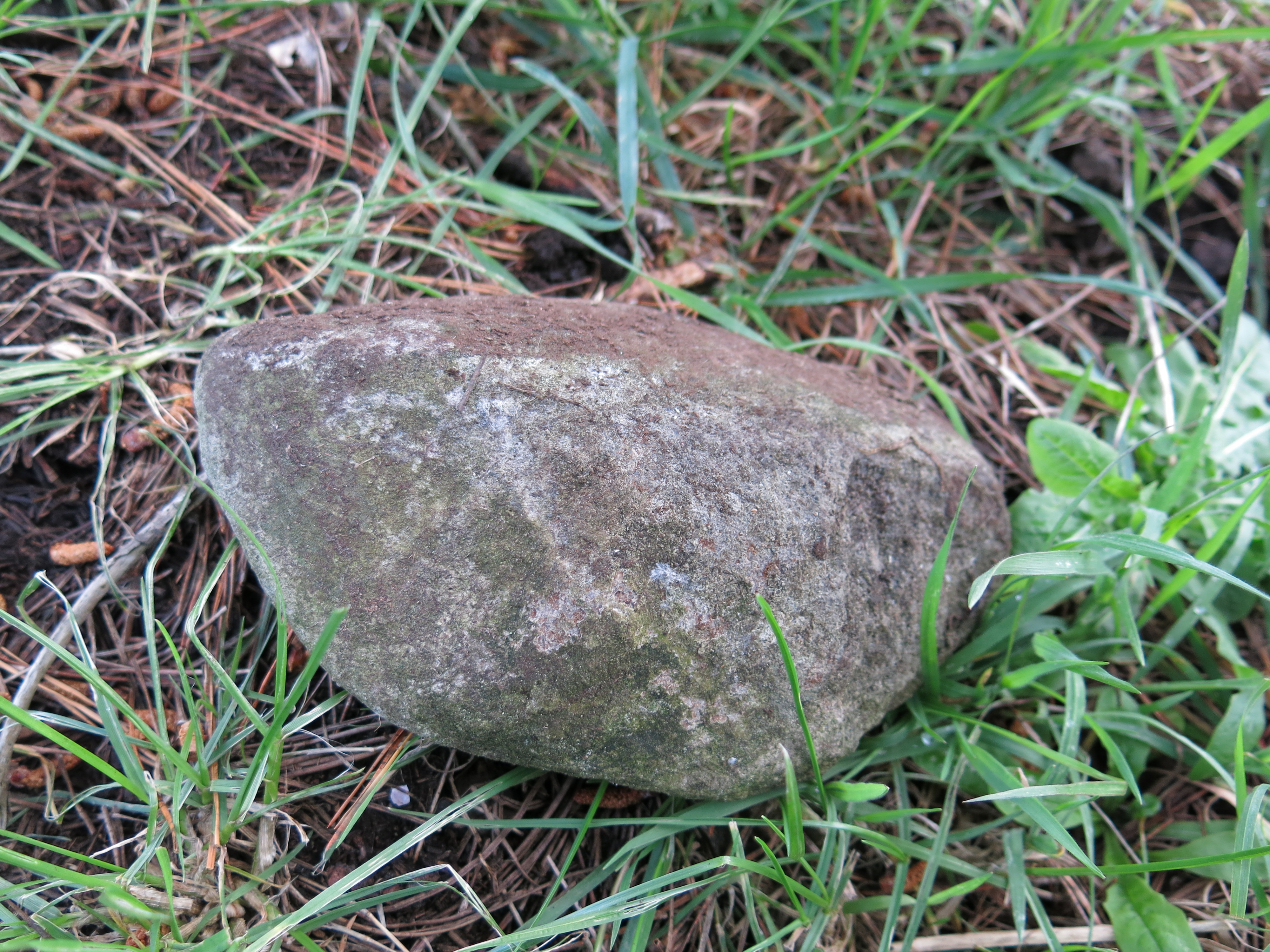
NB – During my visit to the stonefields, trying not to lose both the kids and the dog I was walking along the edge of a eroded shell midden when my eye was caught by an unusual stone.  Unusual because it was not scoria and was very smooth on one side.  The flip side was shaped to fit into the palm of your hand and although I am not much of an expert I am reasonably certain this was a rubbing stone for turning root vegetables such as taro or fern roots into pulp.  A necessary procedure if you wanted to eventually eat it.


See the following article for more information on Otuataua  – Photo-essay: Ihumatao and the Otautaua Historic Reserve

Reading – L. MacIntosh Shifting Grounds: Deep Histories of Tamaki Makaurau Auckland Bridget Williams Books 2021.

img_0059


Patupaiarehe – The Fairy Folk of New Zealand

During the research for a post on Auckland’s volcanoes I found an interesting Maori story about how the volcanoes came to be.  The story referred to the Patupaiarehe but who or what were the Patupaiarehe?  Obviously a bit of research was required…

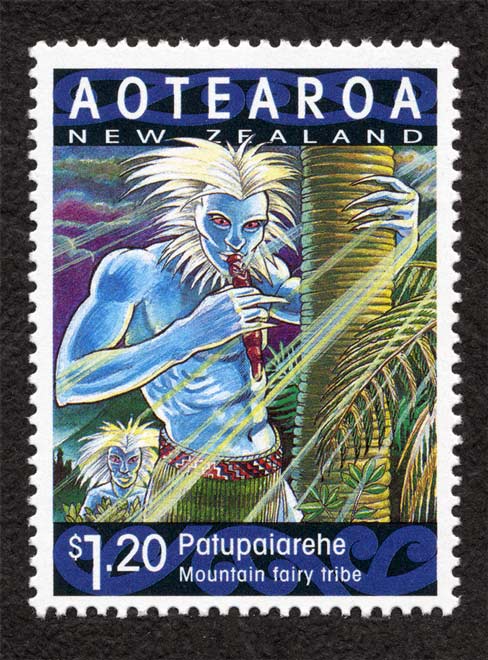
 In Maori tradition the Patupaiarehe (also sometimes referred to as turehu or pakepakeha) were the first people of New Zealand – the first Tangata Whenua.  They are supernatural beings who are rarely seen, fairy creatures of the deep forests and mountains, their houses built from the swirling mists.

They have light skin, red or fair hair and unlike the Maori are never tattooed.  There is some debate regarding their size, some say small, others say they are the same size as humans but then there are the traditions where they are giants.  Sunlight was a curse to the Patupaiarehe, they only venture out in the night or when the mist was heavy enough to shield them from the sun.

img_7687

They were hunter/gatherers who ate only raw food – cooked food is an abomination to them.  In some stories albino birds and eels, red flax and red eels were considered to be the sole property of the Patupaiarehe and woe betide any Maori caught taking these.

The Patupaiarehe men were known to lure people away from their homes, particularly attractive young women, they used the magical sounds of the koauau or putorino (types of flutes).  No harm would befall the young women and they would eventually be returned home.  It was believed the cases of red heads and albinos (the urukehu) among Maori were a result of the union between Patupaiarehe and Maori.  Unfortunately, Maori men suffered much more, often being mistreated and in some cases killed.

Of course, if you did not want to be abducted by the Patupaiarehe there were several options available.  Firstly, you could smear your house with kokowai, this was a mixture of iron oxide with shark oil – the smell was repugnant to them.  Secondly, the uses of the cooking ovens or a fire as Patupaiarehe are very much afraid of fire and the smell of cooked food was enough to scare them away.

ps-11074-nzp

However, not all was bad between the Patupaiarehe and the Maori.  Traditions tell how Maori gained knowledge of net making from the Patupaiarehe as well as makatu (magic arts) and atahu (love charms).  String and stick games are also said to have come from these supernatural beings.

 In 1894 an elder of the Ngati Maru, Hoani Nahe spoke of the Patupaiarehe and his words were recorded.

 “Now listen. When the migration arrived here they found people living in the land – Ngati Kura, Ngati Korakorako and Ngati Turehu, all hapu or sub-tribes of the people called Patupaiarehe. The chiefs of this people were named Tahurangi, Whanawhana, Nukupori, Tuku, Ripiroaitu, Tapu-te-uru and Te Rangipouri. The dwelling places of these people were on the sharp peaks of the high mountains – those in the district of Hauraki (Thames) are Moehau mountain (Cape Colville), Motutere (Castle Hill, Coromandel), Maumaupaki, Whakairi, Kaitarakihi, Te Koronga, Horehore, Whakaperu, Te Aroha-a-uta, Te Aroha-a-tai, and lastly Pirongia, at Waikato. The pa, villages, and houses of this people are not visible, nor actually to be seen by mortal (Tangata Maori) eyes – that is, their actual forms. But sometimes some forms are seen, though not actually known to be these people … Sometimes this people is met with by the Maori people in the forests, and they are heard conversing and calling out, as they pass along, but at the same time they never meet face to face, or so that they mutually see one another, but the voices are heard in conversation or shouting, but the people are never actually seen.

On some occasions also, during the night, they are heard paddling their canoes … At such times are heard these questions: ‘What is it?’ ‘Who are the people who were heard urging forward their canoes on the sea during the night?’ or, ‘Who were heard conversing and shouting in the forest?’ The answer would be as follows: ‘They were not Tangata Maori, they were atua, Patupaiarehe, Turehu, or Korakorako.

Like with so many stories there are those who believe the patupaiarehe are something more than just myth.  There is a subculture within New Zealand who firmly believe that they were the descendents of Celtic tribes who discovered New Zealand some 3000 years before the first Polynesians, pointing at tribal groups such as the Ngati Hotu who historically had instances of red hair and fair skin amongst their people when little or no intermarriages were known.  This is a complicated issue and not one that can be dealt with lightly, whether true or not, the jury is still out on that one…

Celtic New Zealand – Please note that whilst I do not necessarily agree with all that is written on this site I do believe we are all entitled to conduct research.

Stories and traditions are what make our cultures rich and the Maori have their fair share.  Often such traditions are used to make sense of the world around us, I would dare anyone to venture deep into the New Zealand bush and not see the supernatural in its deepest darkest places. 


A Day Trip to Kawau Island

Blue sea, blue sky, warm sunshine and a gentle breeze.  It was a perfect day for a trip to the beautiful island of Kawau in the Hauraki Gulf .

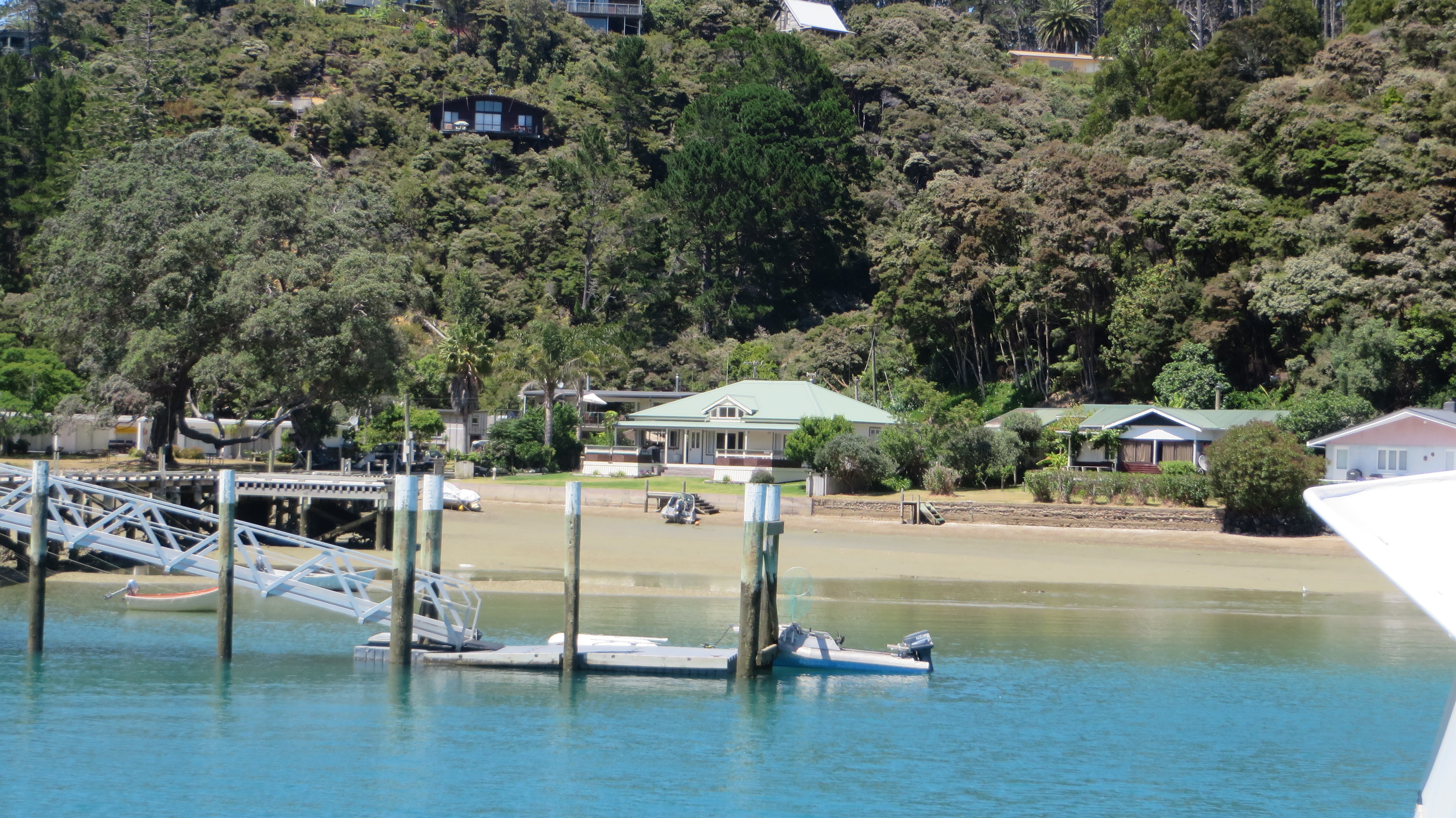
Kawau Island is roughly 8 kilometers long and 5 kilometers wide, its highest point is Mt Grey at 182metres above sea level.  Kawau is the Maori word for cormorant and although these birds may appear plentiful today it is undoubted that in times past they would have been far greater in number.  For those wishing to experience island life access is by the service known as the Mail Run. The ferry to the island leaves from the seaside hamlet of Sandspit, just north of Warkworth and about an hour from Auckland. Full of day trippers slathered in sunscreen it visits the various wharves dotted along the sheltered side of the island delivering the mail, groceries and other goods.  For the visitor it is a good introduction to an island which has only two short private roads and where the majority of properties rely on access to the sea.  Neighbours visit neighbour either on foot or by boat and kayak.

img_4739

School House Bay – there is no longer a school on the island. The few school age children go to school on the mainland.

Island History

Prior to the Europeans Kawau was often fought over by local Maori.  During the 18th century a ‘pirate’ like group of Maori lived on the island – there are at least three known pa sites (two on Bon Accord Harbour and one in the north of the island).  According to tradition the Kawau Maori would attack other Maori travelling around the island, something which was not tolerated for long.  Eventually, other local iwi (tribes) from the mainland banded together and attacked the Maori of Kawau.  Those on the island were completely massacred and tradition says a large feast ensued at Bostaquet Bay.  A tapu was placed on Kawau making it no-go area for Maori – the tapu is still in place.

The next important phase of the history of the island began in 1842 with the discovery of copper and manganese.  Miners were brought in from Wales and Cornwall to work the mines and smelting works.  The population of the island at this time was approximately 300.

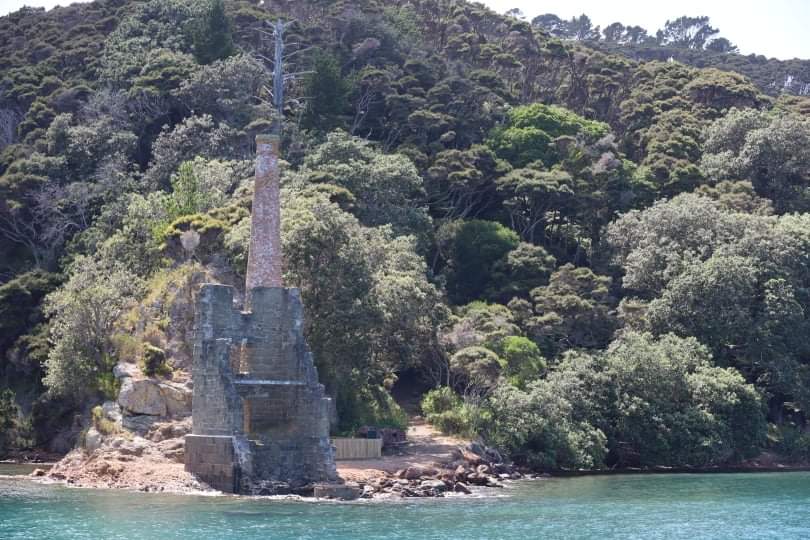
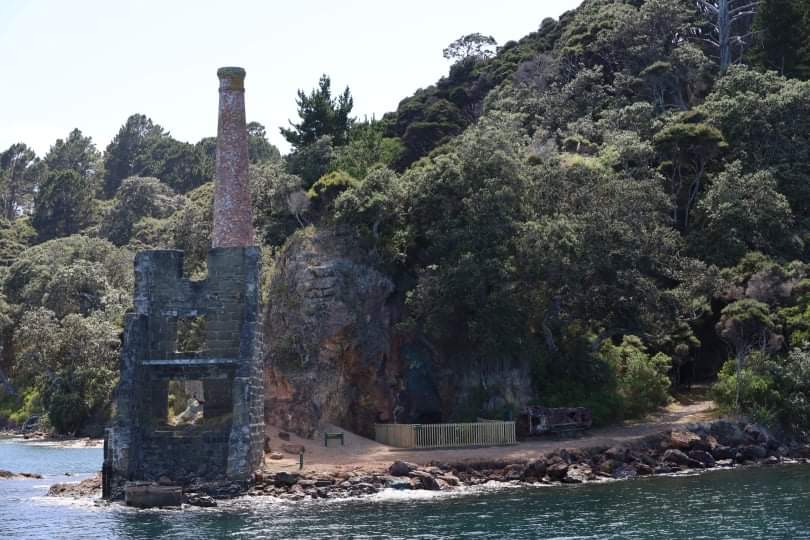
The remains of the smelting works can be seen in Bon Accord Harbour just along from the present day yacht club.  On a small point between Dispute Cove and South Cove there is also the ruins of pumphouse constructed to alleviate flooding issues.  The pumphouse would not look out of place in Cornwall.  In 1844/45 the mine produced some 7000 pounds of Copper which represented a third of Auckland’s exports for that year.  Unfortunately issues with flooding, shipping and infighting resulted in the mines being closed down in 1855.

received_512183903808061received_2165629283613444

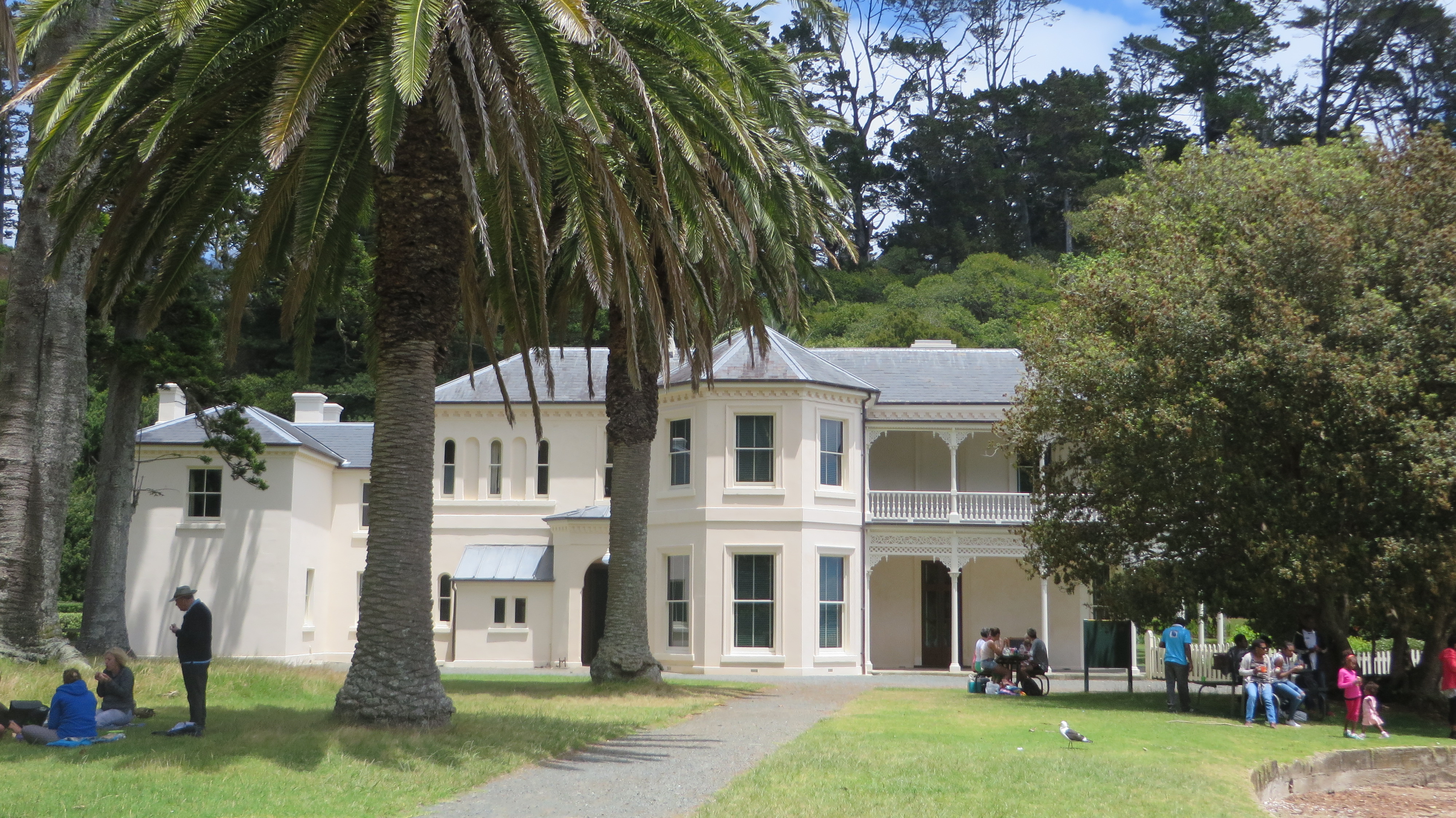
In 1862 Sir George Grey, then the Governor of New Zealand paid 3,700 pounds for Kawau Island and turned it into a private retreat.  He turned the former mine managers house into the imposing mansion you see today and imported many exotic plants and wildlife to the island.  In 1888 Sir Grey sold Kawau and Mansion house had several owners and in 1910 it became a guest house and a popular retreat for Aucklanders.  The last private owner sold the house in 1967 to the Government for inclusion in the Hauraki Gulf Maritime Park.

img_4750
Mansion House, Mansion House Bay – the ferry drops people off here to swim, picnic and walk island paths.

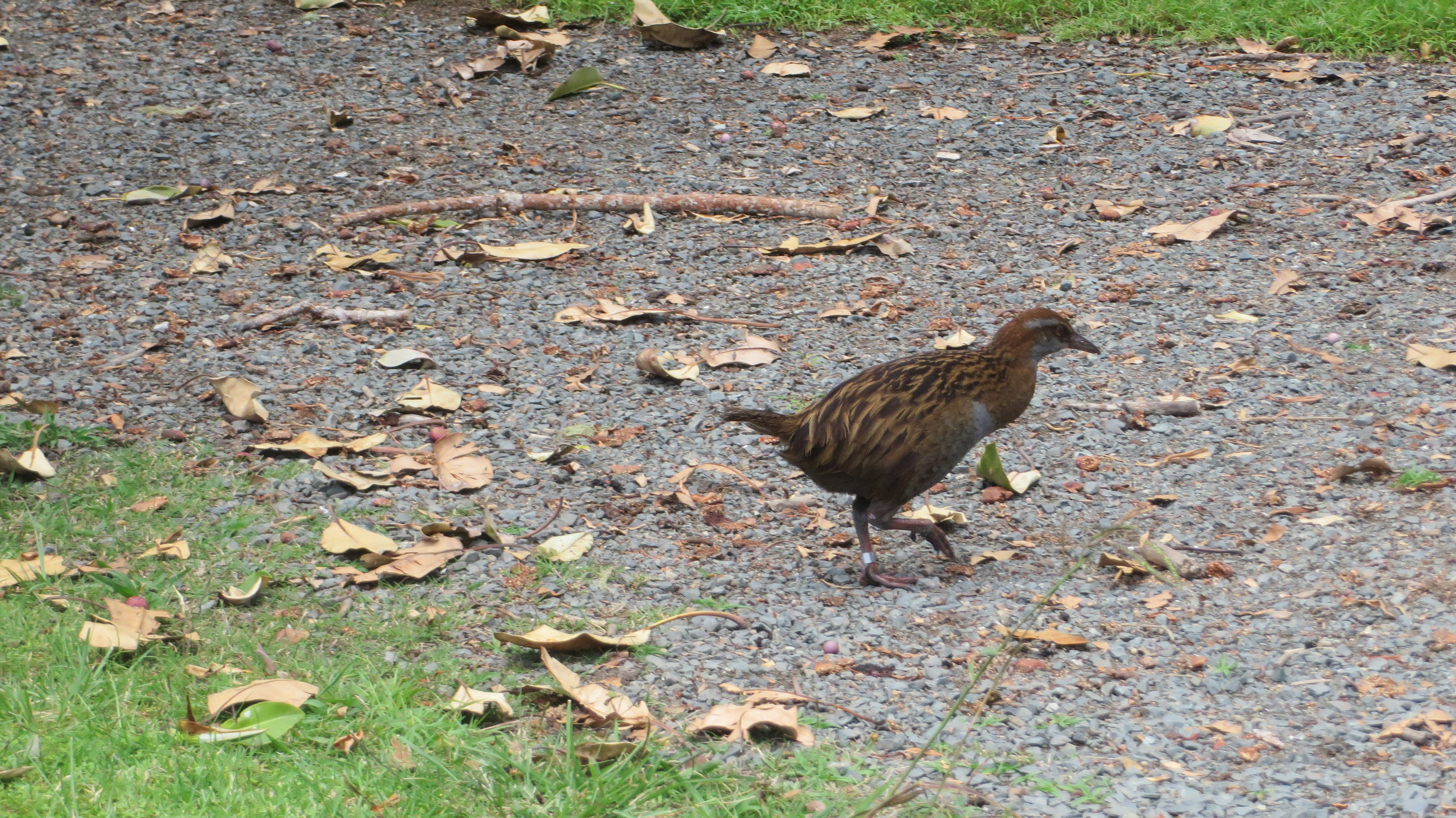
However it was not until the late 1970s was a plan put together to preserve the historical character of the island and thus the house.  Today 10% of the island is in public ownership as the Kawau Island Historic Reserve (and includes Mansion House and Bay) which is administered by the NZ Department of Conservation.   One of the many ongoing issues faced by the island is the damage done to the native flora and fauna by Sir Grey’s introduced species, namely the wallabies and possums.  Both animals have been responsible for the destruction of much of the native bush.  However, slowly but surely the tide is turning and now there are kiwi, bellbirds, tui, kereru and more returning to the island.  Kawau Island is in fact home to two thirds of the entire population of the North Island weka.

img_4753
One of the many weka who frequent the picnic benches…


Kawau Island 2022

It was another sunny day and the ferry ride out to Kawau was as always a lovely way to spend the day. Unlike the previous visit, several years earlier, Mansion House was open to visitors. An opportunity not to be missed. 

The following photos are of the interior of the house, in the main room there is a display of ethnographic and Maori items loaned to the Mansion House from the Auckland Museum. 


Life has been a little strange in the last two years but spending time on the sea and on Kawau was the much needed balm to soothe those frayed edges. Its peace and tranquility (even with peacocks) allowed the mind and soul to reset itself and I for one came home feeling refreshed and ready for whatever else might come my way.

It is a highly recommended day trip…

The Place I Call Home

For the majority of the time I will be blogging about either New Zealand or Cornwall and if you read the page which tells you about me, you’ll know why.  But as a first post I thought I would share a little of the early history of the place I call home.  I live in a small suburb on Auckland’s North Shore – Birkdale.  Wedged between the greater suburbs of Birkenhead and Beachhaven it tends to be forgotten a little or included into the either of those other suburb and to be honest, the story of Birkdale is inextricably tied to the stories of both Beachhaven and Birkenhead.

Early History

The isthmus of Auckland (Tamaki Makau Rau) is thought to have been first settled around 1350.  A combination of fertile soil for horticulture and two harbours with abundant resources resulted in a thriving population.  On the volcanic peaks (Mt Eden, One Tree Hill etc) which dominate the Auckland skyline there is ample evidence of these early settlements.

The area of Birkenhead, Beach Haven and Birkdale was densely forested and as a result not as heavily populated but it was the sea which drew people to the area.  The sea provided an abundance of resources for Maori from flounder in the Kaipataki Inlet, shellfish from Oruamo Creek and the shark fishing grounds just below Kauri Point.  Evidence for this can be seen in the form of coastal shell middens found all around the coast.


img_0023
Traces of a shell midden.

Occupation sites are difficult to pinpoint but there is some evidence from oral histories and archeologically of an important pa (hillfort) called Te Matarae a Mana in the area of Kauri Point/Quarryman’s Bay during the 1700s.  In addition it is believed there is at least two other headland pa in the area, although all trace of these no longer remain.

img_0171-copy
This headland seen from the beach at Kendalls Bay is thought to be the site of an important pa (defended settlement).


The musket wars of the 1800s decimated the local populations of Maori and by 1844 the area of Beach Haven was sold to the new settler government and became deserted.  Eventually, European settlers began to arrive hoping to carve out a new life for themselves.  One of the first families to arrive was the Gruts from the Jersey Islands in 1857.  But life was much harder than many anticipated, the heavy clay soils and dense bush took its toll.

Although the city seems so very close to this part of the North Shore, back then before the harbour bridge the only way to market was by ferry/boat as the overland route was long and arduous.  The first ferries ran from what is now downtown Auckland to Birkenhead in 1854 and remained a vital lifeline for people up until the Harbour Bridge was completed in April 1959.


img_0185-copy
The view to the city and harbour bridge from Birkenhead wharf.

Strawberries

In the 1870s several families had a breakthrough in the form of growing fruit trees, and by the 1880s some thirty orchards were recorded in the area around Zion Hill in Birkenhead (then known as Woodside) with more being established towards Beach Haven and the present day Birkdale.  During the late 1800s it was discovered that strawberries grew particularly well in the area.  Strawberries and fruit in general, quickly became a major part of the economy.

The whole community were involved in the strawberry picking – Birkdale Primary School was known to be lenient about homework during the picking season.  The strawberry fields became so well known that people would ferry over from the city at the weekend for strawberry afternoon teas and in 1898 the Thompson family began making jam in Birkenhead which eventually became New Zealands largest jam company of Thompson and Hills.

This prosperity encouraged even more people to settle the area and in 1888 Birkenhead (which then still included Beach Haven and Birkdale) became a borough and its first mayor was elected – Charles Button.

Gumdiggers

One of the most impressive features of the North Shore bush is the magnificent Kauri (agathis australis) trees.  Around the roots of these trees it is possible to find a resin called Kauri gum. This gum forms when the resin leaks out of the cracks in the bark, it hardens when exposed to air and lumps will fall from the tree eventually fossilising.  In appearance it looks very similar to amber.

img_0178-copy
There are still some impressive groves of the mighty kauri standing in the area.

Maori had many uses for the gum, fresh it could be used like chewing gum (kapia) and as it is highly flammable it made a good firestarter.  When it was burnt and mixed with animal fat it became the dark pigment in moko tattooing.

For the European colonists the export of Kauri gum was of major importance, for Auckland as a whole it was the main export for most of the second half of the 19th century.  Between 1850 and 1950 some 450,000 tons were exported to England.  Its principle use was as a varnish.  Kauri gum when heated mixed easily with linseed oil and at lower temperatures and by the 1890s some 70% of all oil varnishes in England used Kauri gum.

The people who harvested the gum were often transient living in rough huts or tents, it was hard work and not very well paid.  Even so, in the 1890s 20,000 people were recorded as being engaged in gumdigging throughout Auckland, Northland and the Coromandel.  At one point digging for Kauri gum even became a weekend activity for the city side dwellers of Auckland with many catching the ferry to Birkenhead to dig for gum around the suburb.  It became such a problem with roads being potholed and private farms dug into, that local authorities brought in special measures to control the matter.

As it was the quality of the gum in Birkenhead was not as high as elsewhere and eventually the gum ran out, the last permit was issued to a Mr Wheeler of Verran’s Corner in 1931.

From this point on the history of the area now becomes one of entreprenurial settlers, families and a sugar factory.